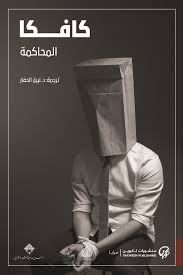
In its content, the novel deals with the story of a person who begins to wake up one day to find two men at the door telling him that he is wanted for trial, but they do not explain what case they are accusing him of. For any crime, he is interrogated, and as events develop and change, he fails to find out his crime. He and his lawyer begin to defend himself in various ways. But the difficulty they face is not knowing what his crime was
Using diminutive names, such as: “Soso” or “Koba,” Arrabal addresses the leader Joseph Stalin through a long, sarcastic and indignant message, dropping from him the qualities of greatness and deification, so that he returns to a child who deserves rebuke.
Employing his huge and diverse intellectual reserve, Arrabal delves into the details of Stalin’s life, starting from his famous mustache, passing through the women in his life, the spies and henchmen who worked for him, and the poets who immortalized him in weak verses, all the way to his victims, who were many, inside and outside the Soviet Union, and with Therefore, Arrabal does not reveal the sources of his information, nor does he differentiate between facts and fabricated details. He does not seek to present a truly historical document as much as he is interested in formulating a dialectical and moral argument.
Unlike his letter to General Franco, which he sent to the latter while he was alive, writing to a dead dictator may seem like an absurd and useless act, but Arrabal is in fact directing his letter to the living who lived with Stalin, or were influenced by him later, and he is trying in his letter, which seems Closer to a plea in a court; To say: History is unforgettable and cannot be erased.
Decoration Ambassador:
This book is not only a narration of my autobiography, but rather it is a record full of difficulties and challenges facing all those who aspire to a bright tomorrow, who seek excellence, and who are determined to succeed despite the challenges.
Get up and shake off the dust of despair, and set out again on the path you started. This is how I used to talk to myself whenever I stumbled or encountered adversities and obstacles that discouraged my resolve. And so I say it to you - if you please - so that we can walk together on the path: - the path of excellence and success - which you dreamed of. And I may not be exaggerating if I say - bypassing - that in this book of my book, and between its covers and the folds of its pages, there is a treasure that relieves you of asking questions, and answers what is on your mind. Many inquiries, and many will be shortened for you as you are on your way to leadership and success. You will find here what makes you certain that you truly can do the impossible, and that you are capable of success no matter what crises you encounter, as long as you seek help from God, are determined, use your mind, be sincere in your words and deeds, and be sincere in your work and work hard.
Finally, I ask God to guide us to what He loves and is pleased with, and to appoint us all as sincere and pious people, and to make us one of His reasons for charting the path of excellence and success for everyone who seeks them wherever they are, and to hand over our beloved emirate as a state, leaders, and people, and to protect all of our Arab countries from evil and affliction, and to bless us with more. Of excellence, prosperity, growth and prosperity.
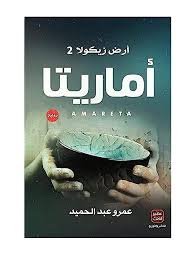
وفي هذه الرواية يتناول الكاتب تفاصيل الأحداث التى واجة الطبيبة أسيل بعد اتهامها بالخيانة لتهرب بعد ذلك إلى دولة بيجانا والتي يقبض عليها هناك ليتم تسليمها إلى زيكولا ولكن تهرب من السجن إلى أماريتا وتتوالى الأحداث التى تشكف سر زيكولا ومدى الشر الموجود بها.