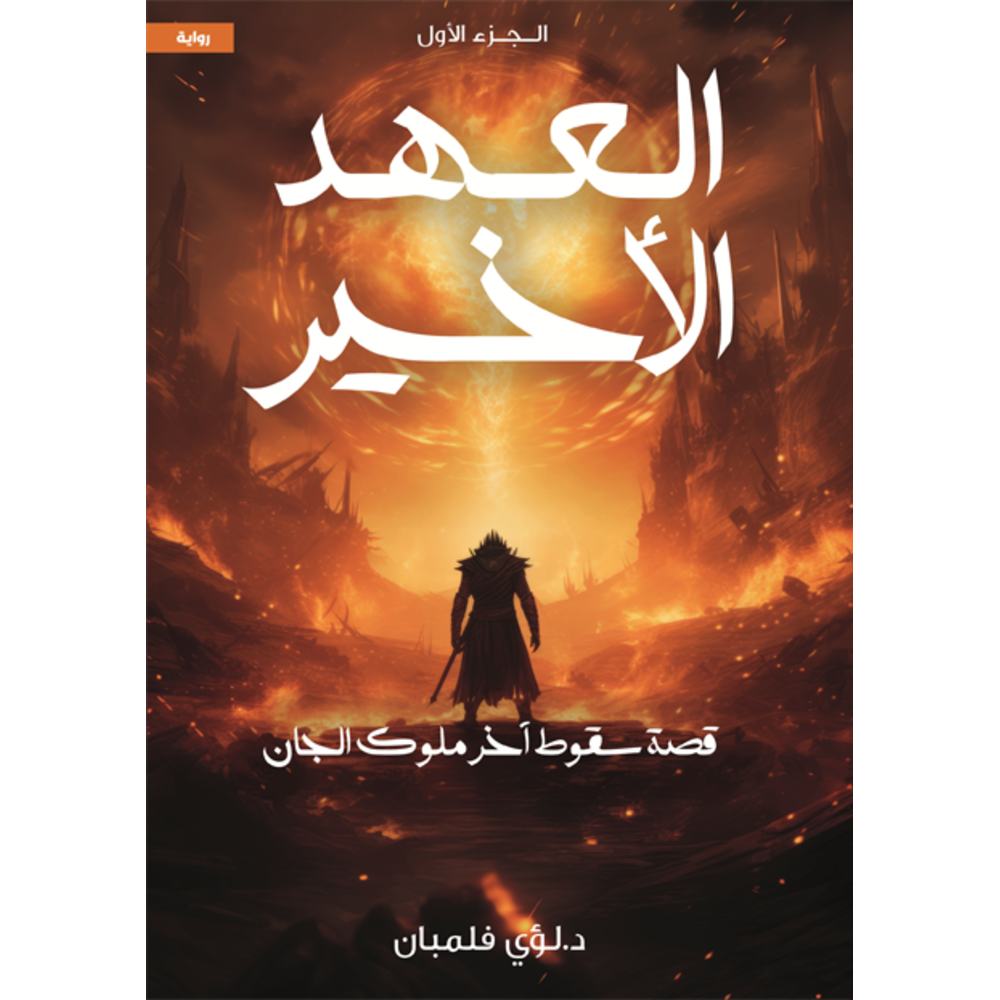
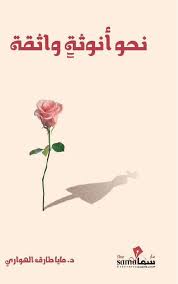
A novel between fantasy and reality with fictional characters. The novel is distinguished by its extreme depth of idea and respect for the reader’s mind. The novel revolves around Soldier No. 56. Who is taken prisoner and then transferred to a special military barracks. He is trained under the supervision of the commander who will continue with him until the end of the novel. He will have a prominent role in refining and developing the soldier’s character. After completing the military course, he will qualify to be the personal guard of a political figure. From here, events begin to escalate and the writer paves the way for the emergence of new, changing characters. The course of events reaches its climax so that the reader finds himself returning to the same place and the same characters in different roles. The novel is distinguished by the ease of its expressions and its interest in the factor of suspense and learning about the arduous lives of soldiers in a professional manner. The novel is distinguished by its richness in Arabic linguistic vocabulary, which increases the beauty of the novel. Latifa Al Jasmi
We are the generation of war, and our parents are the generation of defeat, and between them souls grew old, and the concepts of war and love became similar to them.
Things are too big to tell, but I believe that a story alone is capable of creating a small homeland that we carry in our pocket, and that we talk about to our children who were born outside the homeland, and who carried its mark on their faces, tongues, and identities without seeing a stone in it. Only a story is sufficient to create the imaginary homeland in their minds alive. .
This collection deals with stories from the lives of women who lived between two rivers. Between Syria and one of the asylum countries, it is concerned with the small details of these two lives, and the effects that the war had on the lives of these women: disappointment, loss, escape, and love.
It is an attempt to overcome the great scene of war, and the frost of the borders creeping as a river of ice between the shoulders, with small details, in which the voice rises and asks: “Yes, I lived between two rivers, but which of them lived in me?”
Its intellectual value. Russell was committed throughout his life to working to change the world in which he lived, and to addressing the public in a clear, rational manner. This is one of the intellectual virtues of philosophy: explaining, clarifying, simplifying, and opening the way for everyone to participate in the process of changing the world. The articles revolve around three axes: First, freedom: Throughout his life, Russell defended freedom of expression in the face of extreme religious and nationalist beliefs. His battle was to defend freedom of expression regardless of the oppressive force. This basic principle was one of the focuses of his thinking about politics and ethics. Secondly, religion: Russell criticized the Bolsheviks’ suppression of believers, and he also criticized the religious people’s suppression of atheists. His position on religion stems from a principled commitment to freedom of expression and faith. Third, rationalism and philosophy: Russell defended rationalism throughout his life, and refused to believe in any issue or opinion that was not supported by evidence in a clear, rational manner. On the other hand, mainly following Hume, Russell holds that reason has limits, and that the rationalist position also requires that we accept that our understanding of the world is limited by the limits of reason
الثراء، والصحة، والعلاقات الشخصية والنجاح، وكل ما قد تطمح لتحقيقه في الحياة، بين يديك بالفعل. كل ما تحتاج إليه هو أن تستخدم تلك القوة الخارقة التي نمتلكها جميعا: عقلك الباطن. كيف؟ ربما عليك قراءة هذا الملخص