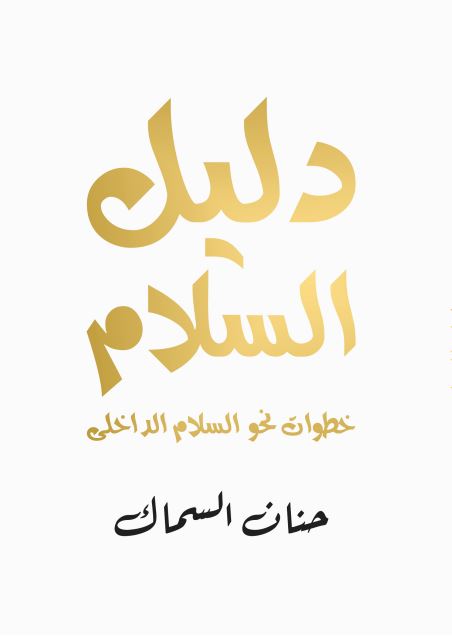
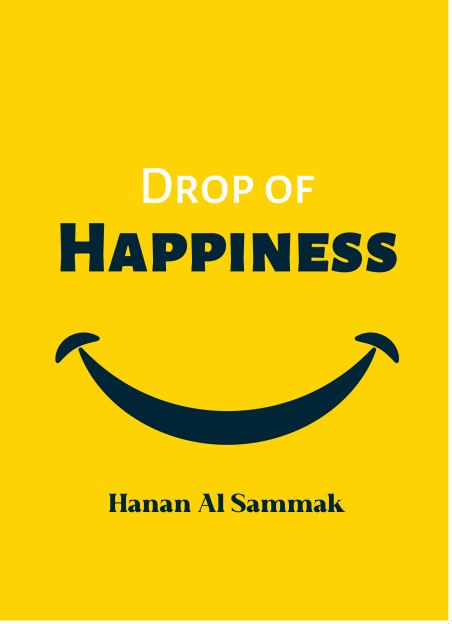
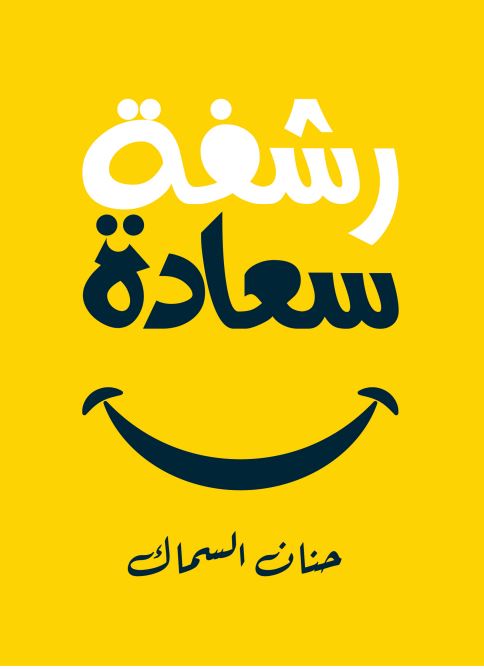
«دليل السلام» لحنان السماك هو بلسم القلوب المركّز في ثمانين حكمة ناصعة، تُرشد من ينشد السكينة إلى جادة الصفاء. لا هو كتابٌ تقني، بل مرجعٌ ظلّي للقلب. يمنحك دفعة نحو تقبّل الذات، فتح أبواب الرحمة الداخلية، ومهارة السمو فوق الزوابع اليومية
"The book presents Hanan Al-Samak’s philosophy of happiness in its finest form, within a framework enriched with values and principles that enable individuals to move toward a life filled with contentment, hope, and balance. It incorporates the latest practices of positive psychology and offers useful techniques and exercises to enhance positive thinking and develop the skill of living happily."
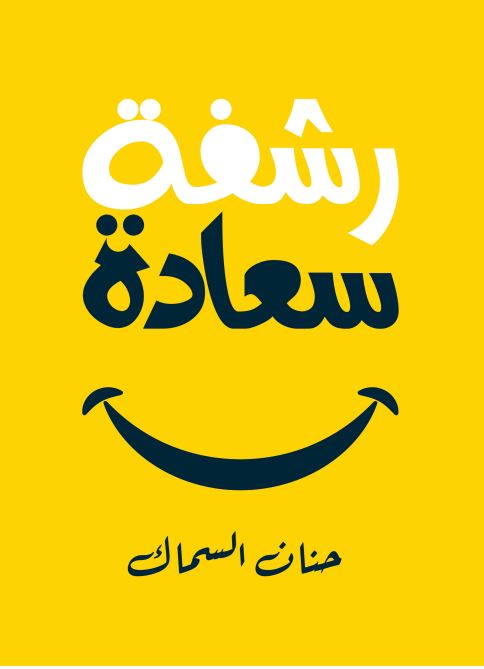
يقدّم الكتاب فلسفة حنان السماك عن السعادة بأبهى صورها، في قالب مشبّع بالقيم والمبادئ التي تمكّن الإنسان من التوجه نحو حياة ملؤها الرضا، الأمل، والتوازن ما يتضمن أحدث الممارسات القائمة على علم النفس الإيجابي، ويقدّم تقنيات وتمارين مفيدة لتعزيز التفكير الإيجابي وتنمية مهارة المعيشة بسعادة
يقدّم الكتاب فلسفة حنان السماك عن السعادة بأبهى صورها، في قالب مشبّع بالقيم والمبادئ التي تمكّن الإنسان من التوجه نحو حياة ملؤها الرضا، الأمل، والتوازن ما يتضمن أحدث الممارسات القائمة على علم النفس الإيجابي، ويقدّم تقنيات وتمارين مفيدة لتعزيز التفكير الإيجابي وتنمية مهارة المعيشة بسعادة
"Your Life" is a motivational text that embraces the reader with a language close to the heart, written in the style of daily reflections or a friendly conversation in a gathering of warmth and affection. It does not introduce you to yourself through a traditional approach, but rather in an honest way, as if the author were sitting beside you, gently whispering: Live your experience with passion, for you deserve the best."
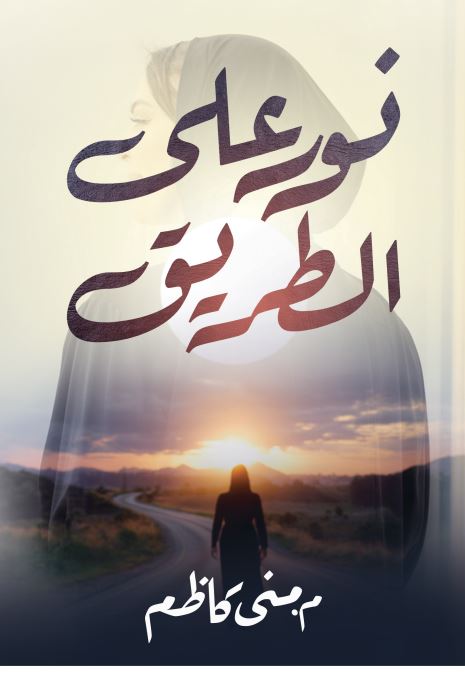
في زمن كَثُرت فيه الأصوات وتاهت فيه القلوب… ستجد في هذا الكتاب عزيزي القارئ نورًا يضيء طريقك نحو السكينة والمعنى. كل سطر كُتب بصدق، وكل فكرة جاءت من روح خاضت التحولات، لكي تُلهمك، تُربّت على قلبك، وترافقك في رحلتك نحو النور
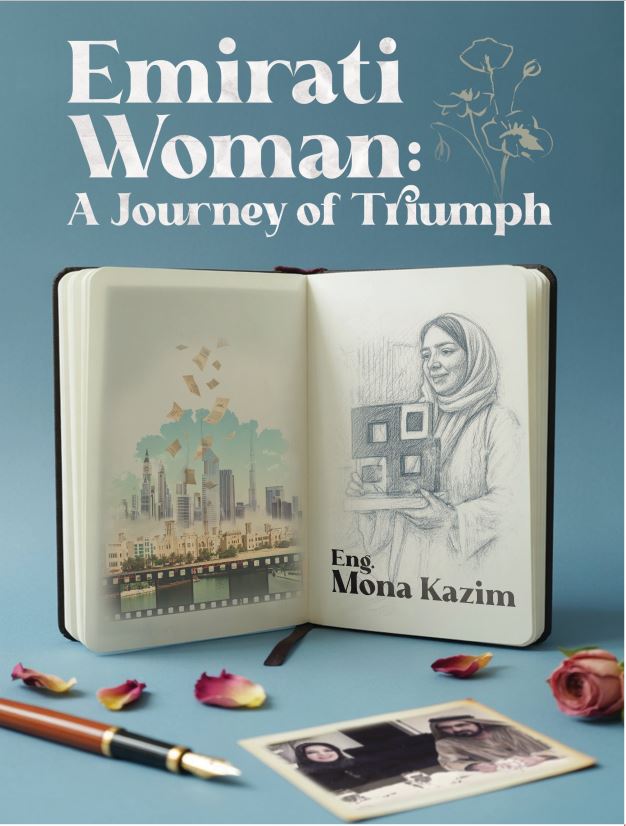
"A true story that showcases the most important milestones of the author’s journey through life and the challenges she faced, presenting the essence of her experience and the tools she used to transform pain into hope and turn the impossible into possible."
"A true story that showcases the most important milestones of the author’s journey through life and the challenges she faced, presenting the essence of her experience and the tools she used to transform pain into hope and turn the impossible into possible."
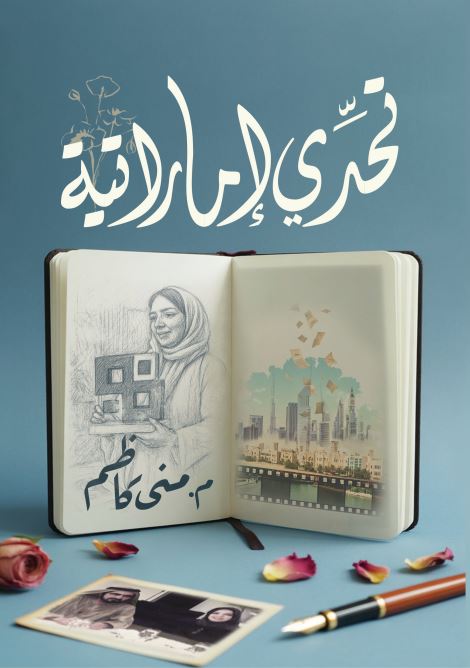
قصة واقعية يستعرض اهم محطات الكاتبة في رحلتها مع الحياة والتحديات والتي واجهتها ووضع خلاصة خبرتها والأسلحة التي استخدمتها في تحويل الالام إلى آمال وتطويع المستحيلات الى ممكنات
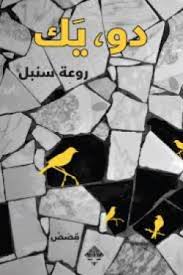
I married a song. I did this secretly for about five years.
When I heard it, the sun was setting, and I was in a heavenly expanse of an old house with milk-colored walls. I knew from the first beat that it was her, the song of my life. I only hesitated a little, and because I had never heard before about a legal ruling or a moral reason that prevents a woman from marrying a song, I made up my mind and married her.
Every night I put two headphones in my ears, and Yas Khader sings to me “Han wa Ana Ahn.” I adjust the tremors of my soul to the tremors of the sad Iraqi melody, and I drink Yas’s voice through all my pores. The song cauterizes my heart, and it melts, pouring tears, rain drops, and dew beads, and then it snows. Have mercy on me gently, and I will give birth to butterflies, starlings, and daffodils.
I smile before I sleep, and many women smile with me. I may not know them, but I know that they are like me. A song may revive them, or a song may kill them.
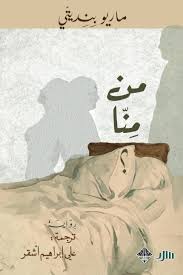
Eleven years have passed since Miguel, Alethea, and Lucas met together in one place, when they were teenage friends, and since then, as soon as a connection occurs between two of them, the ghost of the third is present, so that the roles and desires change and it is not really known which of the two young people he loved. Alethea and those who abandoned her are defeated by the other.
In this special novel, the novelist Mario Benedetti dives into the depths of the human soul, contemplating a complex love triangle between two young men and a girl, leaving space for each of them to tell the story from his point of view through diaries, letters, and the story, so that it appears as a different story every time, as if it were three rivers. A small one that eventually flows into the same lake.
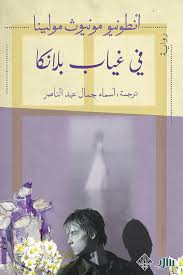
Mario, the geometric painter, returns one day to his apartment in the city of Jaén, which he has shared for six years with his wife, Blanca. He finds that another woman, almost identical in features and gestures, has taken her place. He begins to turn over the memories and scrutinize the evidence, trying to discover the reasons for her absence, or to bring her back again. Somehow. Is Blanca really gone? What do you look for in the worlds you are immersed in and Mario is forbidden from entering?
In this intense and interesting novel, the Spanish writer Antonio Muñoz Molina delves deeply into the relationship of a man and a woman whose destinies intersected before their world began to shake under the influence of differences and the monotony of life. Molina sheds light on the complexity of emotional relationships and the conflicts experienced by couples who love in their partners today what they may hate in them tomorrow...
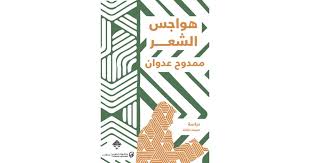
Why poetry now?!
We live in an age of betrayals, conspiracies, and assassinations. We pant through twenty-four crowded, deadly hours in a frame of extended, neglected time that does not give any importance to our entire lives. We live in vortexes, labyrinths, and alienation. We live in oppression, fear, and hunger. So why poetry now?!
Who has time for poetry? Who has time to write poetry?! Who has time to receive poetry?!
Poetry riots against betrayal, conspiracy, and murder, or it riots against triviality, superficiality, and sorcery. If poetry does not say: “No” in a blatant, loud, and hurtful way, then it does not accept to say: “Yes,” even by cutting off its head.
It's that great positive thing. It is what confirms to us that we cry because we are not yet accustomed to humiliation and have not accepted it, that we bleed because we have not died, and that we are angry because we have not adapted to injustice. It alerts us to what we have almost forgotten, and reminds us that we are human, and that we are bigger and greater than our daily lives.
we are human beings. We must always remember this, and poetry must always remind us of this.
We are greater than profit and loss, greater than acceptance and surrender, or malice and evasion.
So poetry is necessary.
Therefore, a poet is necessary.
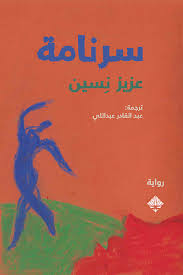
Khairy Al-Hallaq is a dangerous criminal sentenced to death. He spends the remainder of his life in prison waiting for the moment of execution of the sentence, and hides from everyone the secret that prompted him to commit his crime. A secret that might lighten his sentence, or save his life. When he enters the political prisoner ward, the criminal changes his convictions and reconsiders his life, thus dying a different person.
This “sermon” delves into the Turkish community of killers and criminals, to depict the prisoners’ diaries and their struggles in the cells, but it also carries a political and humanitarian dimension by criticizing the death penalty, and the societies’ attempt to purify themselves by choosing a scapegoat on whom to comment their crimes and corruption, and celebrate the joy of ending his life.
The sernama is usually a book that accurately describes a specific type of public celebration, but the sernama of Aziz Nessin conveys the facts and details of the execution of a “criminal” who lost his right to change.
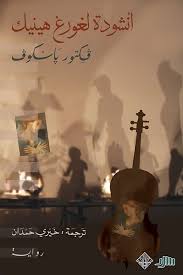
Georg Hennick is a famous violin maker. When his life was coming to an end, he decided to resist oblivion and challenge life as a whole, in the name of art, by making an unconventional violin, unlike any musical instrument made before, to fill the universe with unrepeatable tones. As for Victor, the child who tells us this story, he met Grandpa Henik for the first time on his fifth birthday, when he got his first violin. He then met him many times later, and a great friendship developed between them.
In this novel, Victor Baskov writes, in a musical style, a warm story about art, the passage of time, the shadows of loved ones, and Bulgarian society and its diversity.