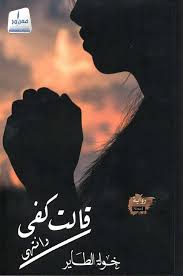
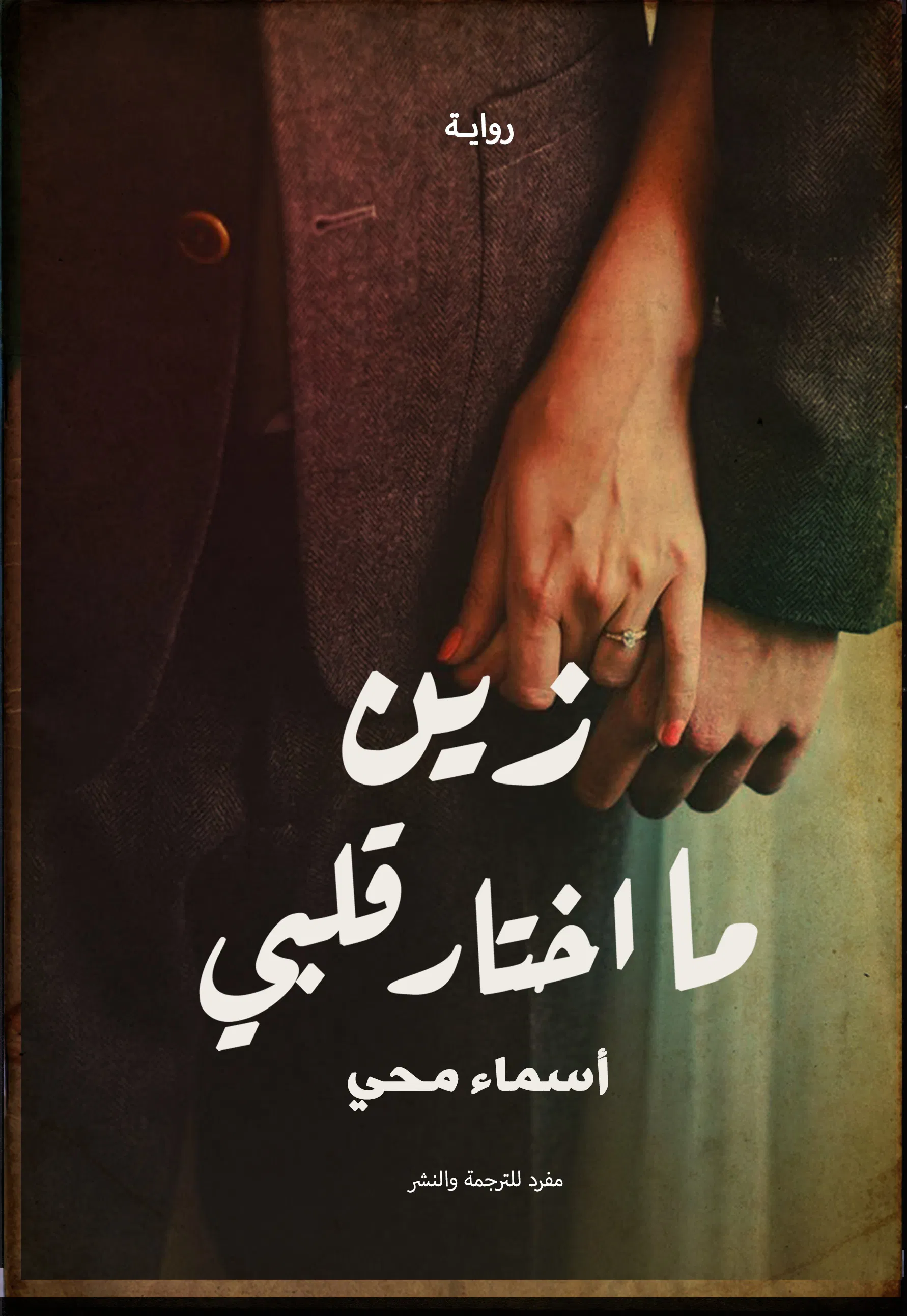
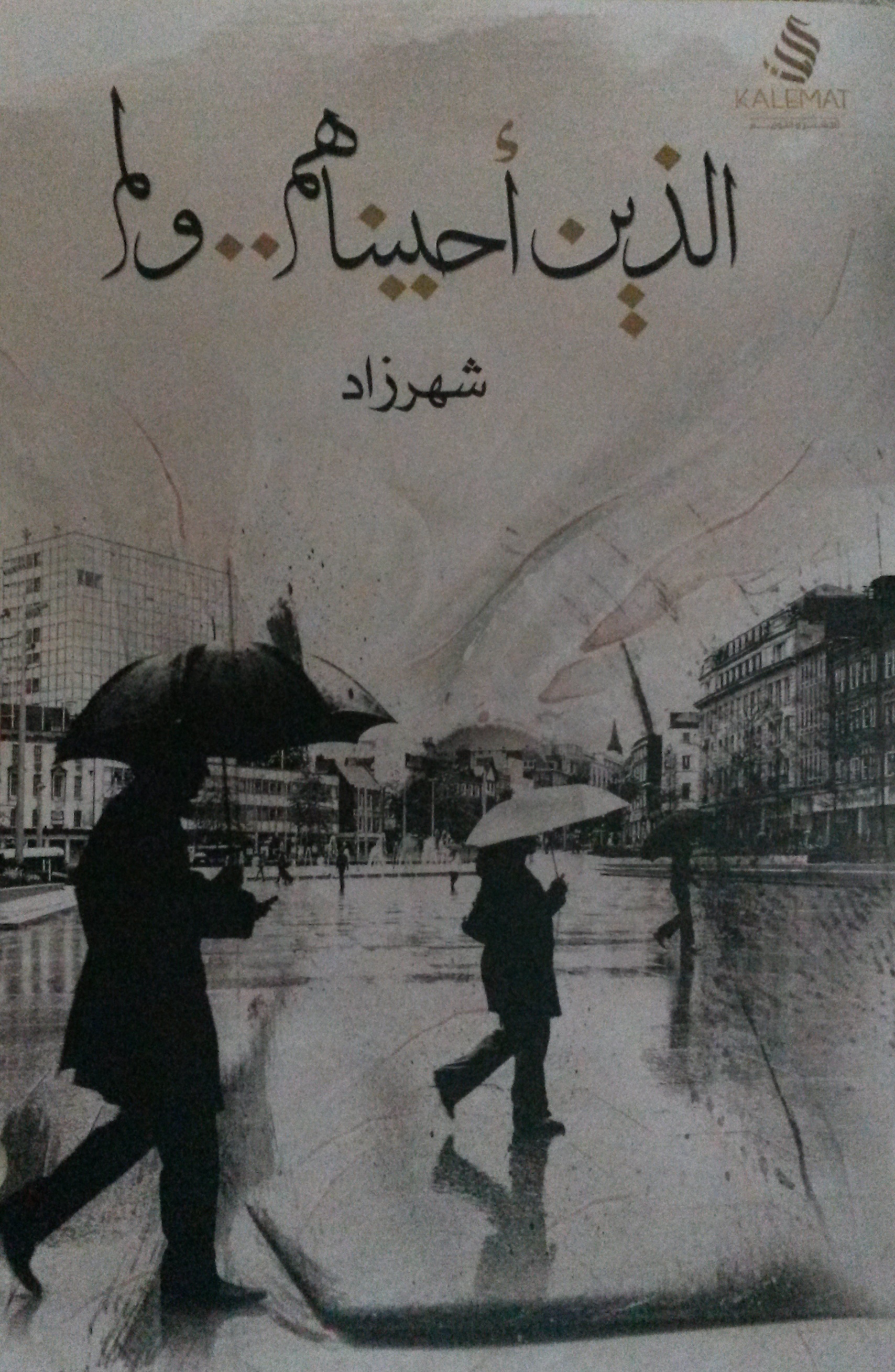
To every female.. Sadness brought her down, her soul withered with worries, the ax of disappointment broke her, tremors of fear occupied her blood, and breaths were considered pain. To whom...the roots of joy were uprooted from her, and the darkness of life intensified for her until she suffocated, and the nights' passages tampered with her... To everyone who tried to plant love in a waste land, and became addicted to waiting, and reaped nothing but thorns.. To everyone who begged for love in the land of haters.. . . Pull yourself together and shake hands with life again..
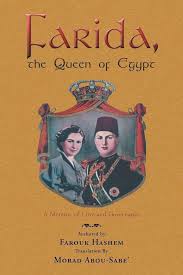
FARIDA: Farida is a human social novel that embodies fraternal solidarity in the most difficult situations of life and depicts the nobility of sacrifices in the various pitfalls of life and ways to overcome them. It is a shining image of family compassion between siblings in all their life stages, in the presence and absence of parents.
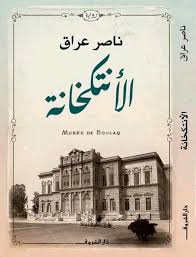
«فجأة لمحت امرأة تشبه مستورة... ووجدتني أتساءل أين ذهبت؟ ولماذا تصر زوجتي على استرجاعها؟ هل لأنها نشيطة ونظيفة فحسـب؟... أم لأن المرأة لا تحتمل أن تغدر بها امرأة أخرى دون أن تعرف السبب؟
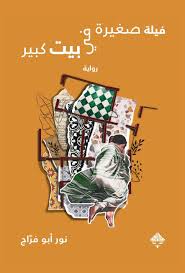
Owned houses and others are rented, fleeting and temporary dwellings, between which the writer moves across different Syrian cities, turning the houses into stations, or rest stops that allow her to contemplate the context of her life, her choices, and the source of her desire to remain between closed doors. The subjective nature of the book turns it into a kind of personal testimony, but Nour Abu Farraj is betting that her memories may intersect to a large degree with the experiences of middle-class young men and women from the 1980s generation in Syria, who lived a relatively stable life, before the war came and made a difference in their context. Forcibly expel them from their safe spaces.
In the face of the transience and uncertainty that war brings, description becomes a tribute to the fleeting; This is why the book tries to remind readers of the long time it takes to build a house, in the symbolic or structural sense, but it nonetheless warns them against becoming captives to the place, and encourages them to carry their homes as souvenirs, or small luggage on their long journey.