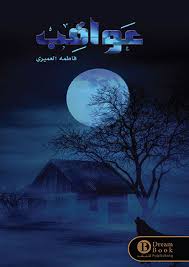
Love is the most dangerous and mysterious emotion. The most dangerous of these is because the lover often loses the ability to appreciate reality. Nothing makes him ready for death as love does. How many men lost their lives to reach their loved ones, and how many women defied their societies and were killed for a moment of connection with their beloved. History and literature tell us about many love stories that ended in death or madness. Because love is a powerful emotion that pushes the sails of the heart into the gates of an adventure with choppy waves. It does not value any danger, and it never accepts submission to mental trials.
As for the ambiguity of this emotion, it comes from ignorance of its causes. Most of the time, we do not fully know what we love about the person we love, and we often discover in him the opposite of what we thought when we loved him. Love - despite its arrogance - remains the most fragile of emotions, and often dissipates when it comes into contact with reality. Just as it blows like a storm, it can suddenly calm down, leaving... The air behind him was filled with dust.
Despite everything, love remains the most beautiful feelings that a person can possess, and the moments of connection that often precede a tragic end for lovers may be the happiest moments they live.
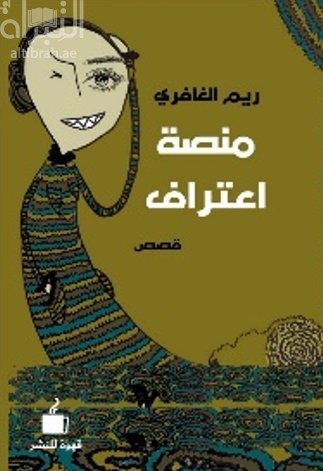
In the introduction to his first collection of short stories, the Chinese storyteller Lu Xun says that he found himself driven to write because he felt intense loneliness. He was not able to forget, or, rather, he was not able to forget completely; So, he wrote stories about the past.
This is exactly what prompted me to write: overwhelming loneliness. I also failed to forget, so I wrote what remained in my memory about Syria before the war.
Sometimes, exiles write about nostalgia for a country they miss and wish to return to. This is not like the nostalgia of Syrians: the country has completely changed, and even disappeared. We long for a place that does not exist, except in memory. And memory, as you know, writhes, colors, and churns. I am no exception, and my memory does not claim to be completely faithful to reality, but I tried hard to write exactly what you dictated to me.
Hopes, dreams, and losses are all fading quickly, and so is the country, and what remains of it is in us: as if it were a half-smile, or a summer cloud, or a bright comet passing quickly, only to disappear completely moments later, before the eyes of curious, bored viewers, indifferent to its fate...
The missing painting:
Noise that no one can hear except me, lights, people, and places that no one else knows, and others do not even believe. When I Was Alone is a collection of stories whose events will amaze you, and whose details will terrify you. It happened to some and it may happen to others, with a slight difference in the events.
Advice: If you read the book and feel afraid, do not sit alone, and if you think that you will not feel fear, do not sit alone either!
منطقة الغموض.. نبذة: مجموعة قصصية بالغة الغرابة، تثير لديك تساؤلات لاتنتهي ، وستعرف من خلالها بأن الحياة ليست مكاناً أمنا كما يتصور البعض ، وستزور منطقة قلما يدخلها أحد ، ويخشى الجميع عبور بوابتها ؛ لانها منطقة الغموض
تتحدث القصه عن " صغيره " الفتاة التي تعيش بالخارج لإكمال دراستها تتخرج و تعود إلى الكويت لتسكن مع شقيقها الأكبر في منزله تتوالى الأحداث و تنتقل إلى السكن
في هذا الكتاب، الذي نُشرَ للمرة الأولى عام 1908 على صفحات جريدة "المهاجر" لصاحبها أمين غريّب، يتحدّث جبران عن شخصيات تمرّدت على التقاليد الإجتماعية القاسية، أكانت هذه تتخذ شكل زواج قسري أم استبداد إقطاعي أو غير ذلك من الأشكال.
I committed a crime:
It is a collection of stories that talk about excerpts from situations that occurred in our reality, and each story has a different type of crime from the other.
And each story symbolizes a specific thing, or something that might cause something to break inside you?
“In this book there are six stories that are different from the others. Come and learn with me about the types of crimes in our real lives.”