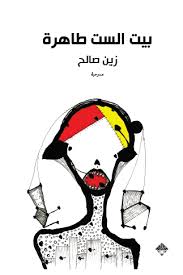
The two brothers, Helmy and Diaa, work in a car repair shop, while their mother works as a dancer in a nightclub.
Every day, when she goes out to work, one of the brothers disguises herself in her clothes to imitate her, and exercises the same dominance over the other with which she treats them.
In a theatrical text based on the play “The Maids” by the French writer Jean Genet, and taking place in the poor post-war neighborhoods of Damascus, Zain Saleh raises the questions that an entire generation suffers from about power, family, asylum, and gender.
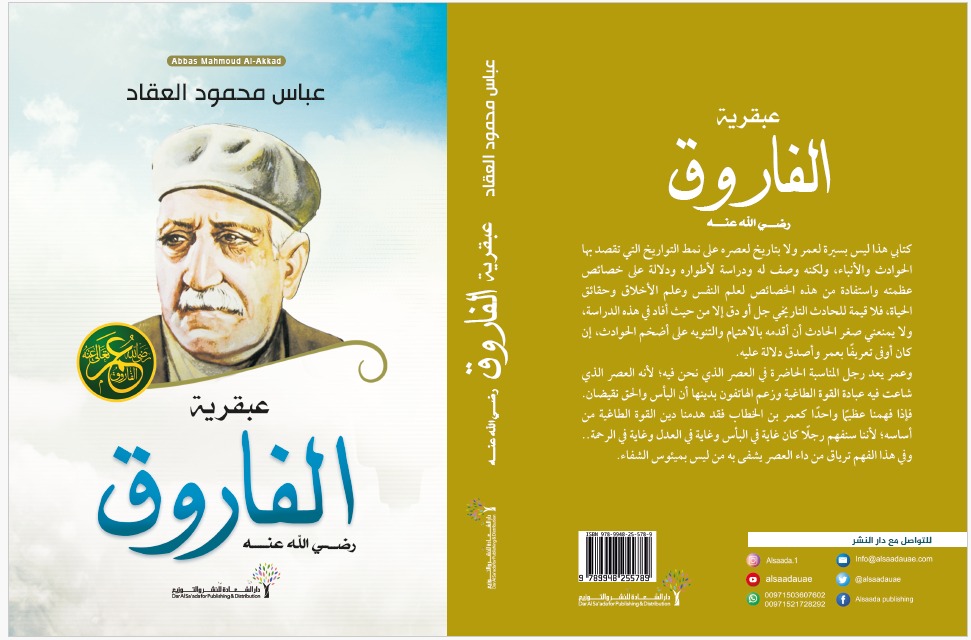
دراسة جميلة لشخصيّة عمر ، فالكاتب العبقريّ ، حلّل شخصية ابن الخطّاب معتمداً على طفولته و هي من أهمّ مراحل الإنسان في تكوينه النفسيّ ، و يبدأ بعدها بسرد الأحداث الّتي تصف هذا التكوين ، من الأخلقيّات الّتي تتوّج بالعدل ، إلى النفسيّة الّتي توّجت بالثبات و القوّة . ومن هنا يكتشف العقّاد أنّ عمر الجاهلي هو نفسه عمر الإسلاميّ ، بالتكوين النفسي و الأخلاقيّ ، لكن نظرته للوجود تغيّرت ، فعداءه للإسلام أوّل ما ظهر لأنّه ظنّه عدوّاً يهدّد بيئته و قومه فحاربه ليدافع عن عقيدته ، هذا الدفاع عن العقيدة بالنسبة للعقّاد نفسه دفاع عمر عن العقيدة الإسلاميّة ، لكنّ الإختلاف بالعقيدة ذاتها ! بينما العقيدةالجاهليّة كوّنته جنديّ عظيماً و مقدام ، كوّنته العقيدةالإسلاميّة بطل تاريخي ، يمثّل طور تاريخيّ للإنسانيّة