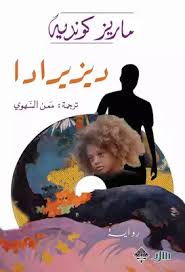
Marie Noël does not know who her father is, nor does she know why her mother abandoned her immediately after her birth and left her in the care of Ranleys, nor does she know what prompted this mother to send a letter ten years later demanding her daughter.
The girl travels into the unknown, living with an emotionally cold mother, tormented by memories of the past. After she grows up, she goes to Boston to complete her studies, and marries an innovative jazz musician, while the question, “Who am I? And who is my family?” continues to haunt her in all the places she lives, and so she seeks to understand what happened before she was born, but a series of dark secrets... And the elusive facts are faced.
In this novel, which won the Prix Carbet de la Caraibe, Maryse Conde writes a tale of lost love and unwanted motherhood, capturing the voice of the Caribbean diaspora with grace and sweetness.
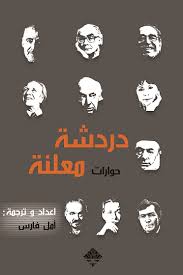
This book contains a translation of a number of television interviews with some of the most famous Latin American writers and poets, some of whom left our world leaving a great literary legacy, and some of whom are still with us today, enriching our lives with their cultural production.
The topics of these interviews varied between shedding light on the details of these writers’ personal lives and their biography and intellectual biography, to their critical opinions regarding their literary experiences and the experiences of some other writers.
Some of these interviews were conducted by media professionals and journalists on television programs, or were meetings that brought together writers with each other, such as Márquez’s interview with Neruda.
We hope that this book will be a window to discover new aspects about writers who enriched our culture and made our world wider.
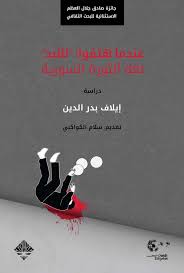
This research discusses language as a distinctive feature of a society (Syrian society), and monitors the changes that have occurred in it as the political, economic, cultural and social circumstances of this society change according to the context in which events take place, especially in light of the wave of protests that swept many countries in the Arab world in the context of what was called "Arab Spring"; The linguistic change witnessed by this society was shaped by the collective influence of those regions that witnessed these protests and is spreading thanks to the globalization of cultural communication that exists now.






-1718248940.png)