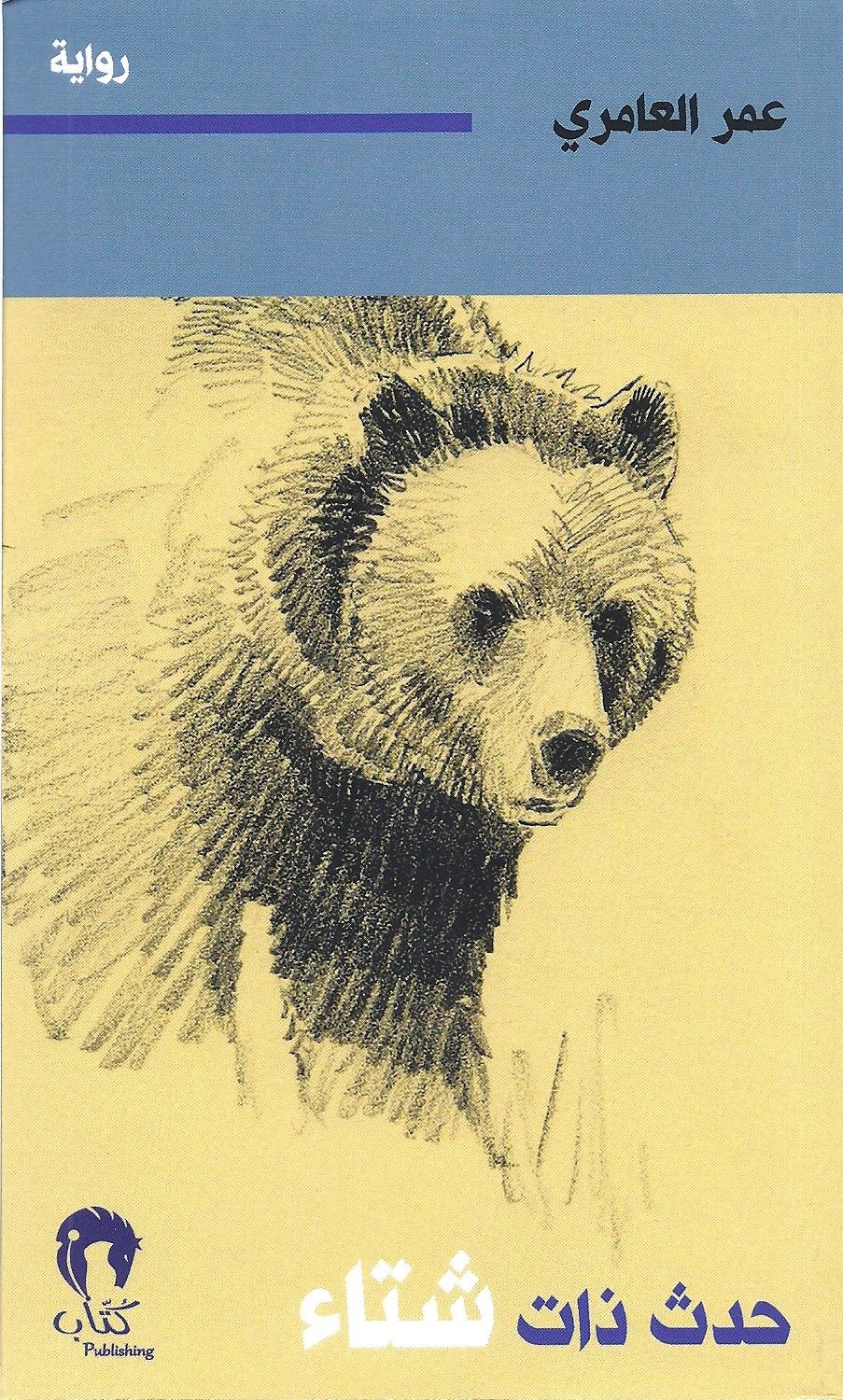
Missed : Words... of poems that tell about an imaginary reality... or perhaps they simulate realistic imagination My assumption is that someone... on this vast planet... has lived it In this life...or in other lives But they forgot to write it down... but it came to my mind... so I wrote it down Until I put my first fingerprints on characters that have existed since time immemorial Their repeated presence in this life is not a coincidence Rather, so that we can separate good from evil...or see faces completely stripped of their masks Even if we forcefully convince ourselves that it can bring us good However, evil is inherent in her from birth.
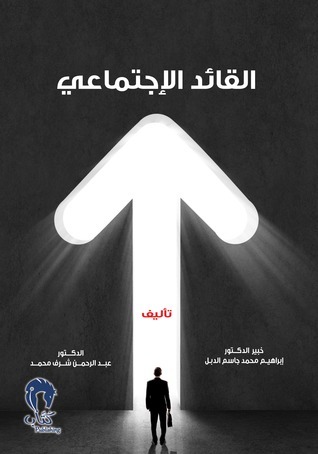
Above the clouds :
The book is based on real experiences and real-life stories of me as an author, and reflects an aspect of my personality in insisting on destroying excuses and moving towards success with confidence and faith. The book consists of 17 chapters, and the chapter ends with phrases formulated by the writer for contemplation and rethinking In the concept of the chapter that precedes it.
Ingrid Barøy was born on a small island off the northwestern coast of Norway, an island inhabited by only one family, living out their ambitions and dreams that collide with the boundaries of the land and the weather, and the mercy of the sea, which provides a living, but also brings death.
Father Hans dreams of building a pier connecting them to the mainland, but contact with the outside world comes at a price, which Ingrid will know fully after she grows up and goes to work there for a wealthy family and take care of her two children. With the couple disappearing one day, she finds no choice but to return to her home with the two children, and thus the island’s population increases in number, and a different life begins, especially as Norway awakens to a wider world, a modern world that is volatile and can be cruel.
“The Invisibles” is a profound interrogation of freedom and destiny, written with delicate narration and brief, simple, calm sentences tinged with poetic tensions, creating a painting of natural cinema that makes the “invisible” clearly visible.
A university professor sees a painting in a museum in which a person very similar to his father is drawn, and he feels deeply that the resemblance does not stop at the symmetry of the two faces alone. A frightening intuition awakens within him, and he tries to meet a relative of the descendants of the man in the painting.
The novel's hero enters the maze of dream and wakefulness, and the maze of memory with its ramifications, evoking stories in which the real is mixed with the imaginary, and little by little we find that we are faced with several narratives, each one of which brings us into a new loss, until we ourselves become walking on the border between dream and wakefulness.
In “The Dark Bank,” José María Merino writes about the other or the companion, and about the past and memory, in a wonderful labyrinthine structure, within a vast time that lies on the margins of hours and pulses, and offers us pure pleasure that stimulates our imagination and senses.