Sondos Extra carpet with an additional layer of foam, made in Turkey, unparalleled quality, soft and comfortable cotton fabric, and golden patterns inspired by the Arabic Thuluth script
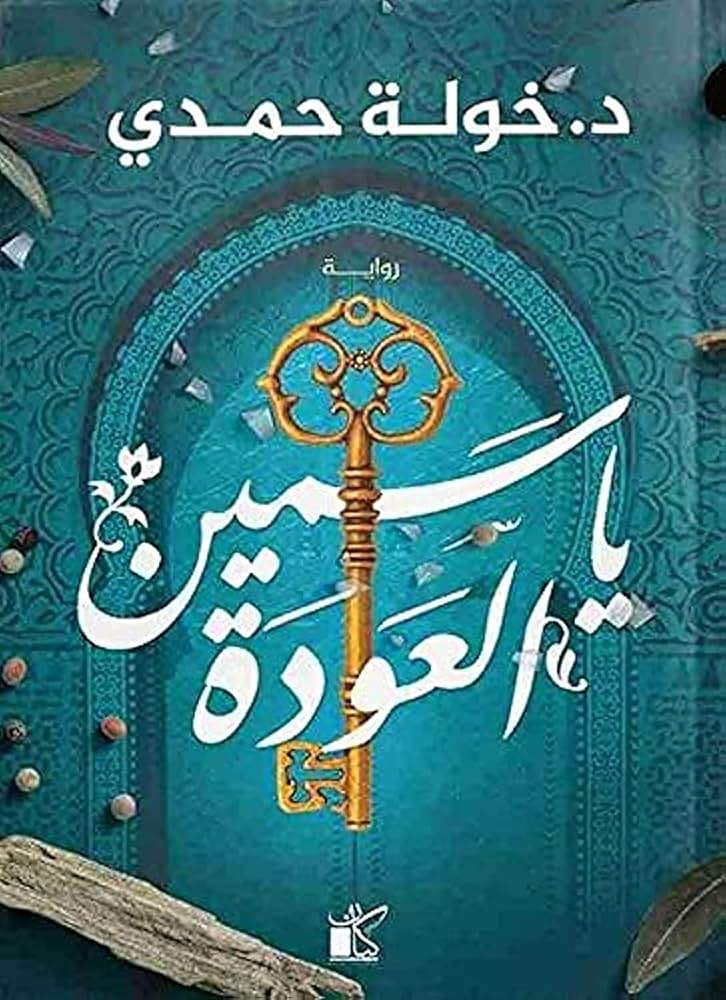
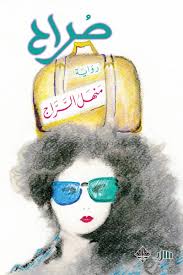
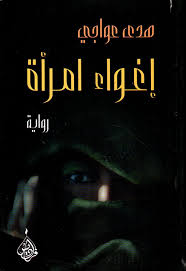
“Sarrah” is an immigrant in Sweden. Since the start of the war in her country, she has been unable to write. She seeks to seize the key to freedom of expression, but she faces locks. She works with an autistic child, whose father, Gibran, works in a library and fights discrimination, but he still finds himself in dark basements.
“Gibran” longs for “Sarrah,” and she longs for writing, remembering her days in Hama, and her ambition to find peace.
In this novel, Manhal Al-Sarraj tells us, in a different style of narration and writing, the story of Syrian immigrants in Sweden, their circumstances, and the fragmentation of their relationships, and quietly scatters reflections on existence, life, trust, love, and peace.
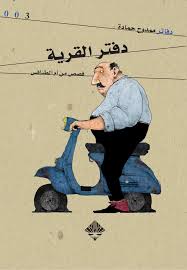
The village has always been a symbol of simplicity in its system of life and in the psychological makeup of the villagers, who rarely suffer from what is called “phobia” or “mania,” and accept everything that happens to them as normal, no matter how harsh.
This was in those eras when crops fed those who worked the land and provided them with a surplus for sale that provided them with an important part of their living expenses. However, after agriculture became a loss-making business, and sometimes a heavy burden on the farmer that did not provide its owner with the minimum necessities of life, the village mixed with the city due to the migration caused by various crises, which generated sharp paradoxes that were nullified by that person who was imposed on him in the city a new way of life. At the same time, his customs, traditions, and connections to the village remained strong, which created a duality in him that made him a rich and diverse personality. This friction that occurred through migrations, as well as due to the great technological development that occurred, also transferred part of the city with its relationships and way of life to the village, which constituted a shock to a part of the villagers whose thinking remained based on the old pattern of rural relations.
All of this constituted, and continues to constitute, an important source of literature and drama. In this book there are a number of stories whose events take place in the village of Umm al-Tanafas, a name taken to be a symbol of the village in all works that touch upon the village. This will be the first village notebook and will be followed in the future by other notebooks, because the village’s stories are inexhaustible.