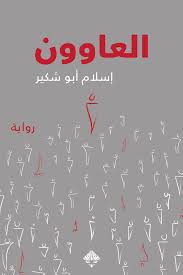
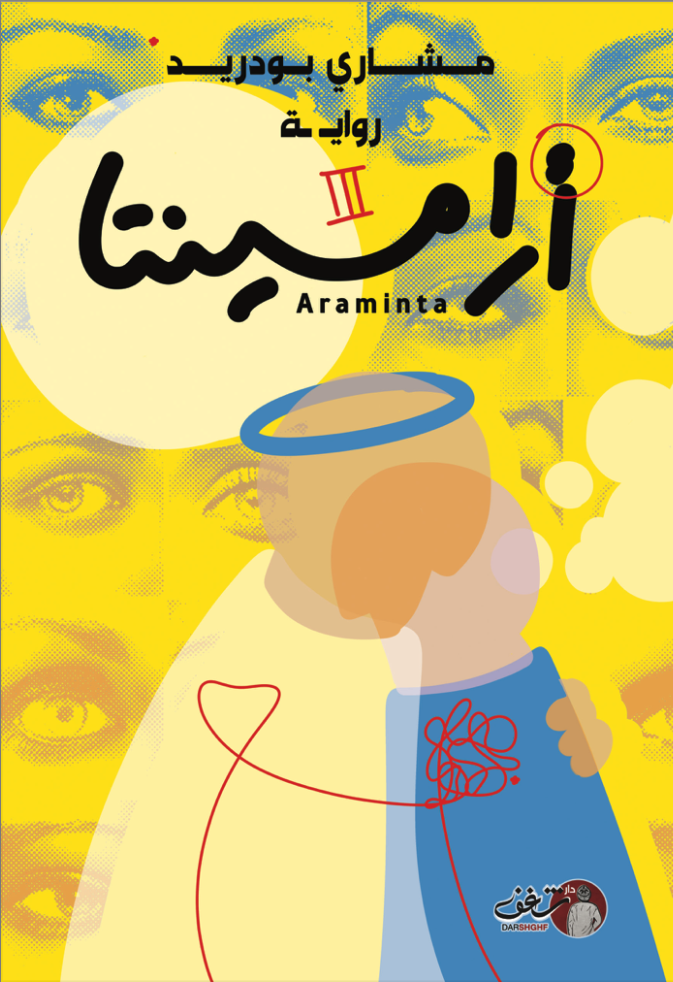
The little boy escapes from the midwife's hands, and all attempts to catch him fail, until Abu Muharib, a retired policeman who suffers from rheumatism, intervenes, using his old hunting experience.
The chapters of the story continue, until the moment in which the reader finds himself facing a world in which reality is mixed with its strict natural laws, and imagination soaring on the same wings that changed the course of (the little one’s) life with her presence first, and her absence next..
What wings are these where scissors, scalpels, knives and guns lurk?
Who are those howling in the background?
What fate did those living below end up with?
The novel raises many questions, then stops at this point, shirking the burden of definitive answers, and assuming that the reader will not be let down by the wings of his imagination in reaching an answer.
A complete CD collection of the Holy Qur’an with the voice of reciters Ahmed Al-Ajmi / Khaled Al-Qahtani / Saad Al-Ghamdi, 25 audio CDs in a luxurious box printed with silver foil.
Tirano Benderas suspects Colonel Domitiano della Gondra of conspiring against him, and when he discovers a simple mistake committed by the latter, he provides the tyrant with the pretext he needs to arrest him, so he issues a secret order for his arrest, but a prostitute who can read minds knows about this, and warns the colonel. In the midst of the country's annual celebrations, Della Gondra flees and joins the rebels against the tyrant's rule.
In this novel, which is considered one of the first novels written in the Spanish language about the dictator, before other writers from Latin America entered this field, “Ramon del Paye Inclán” presents a vivid depiction of the character of the tyrant, in a circular structure, full of short chapters and closed scenes that together constitute A rich text with its internal rhythm, wonderful images, and multiple linguistic levels.





-1772316768.png)





-1725458334.jpg)

 Wisdom of Joe Biden/The Book of Joe The Life, Wit, and (Sometimes Accidental) Wisdom of Joe Biden-1718257847.jpg)