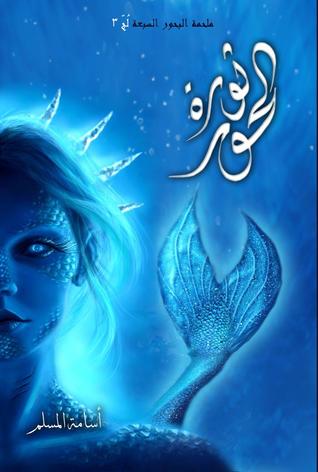
Hiding behind the identity of a mysterious orientalist, a young American comes to Jabal al-Arab, moves between the villages of Suwayda, and then continues his journey to Latakia. To complete the threads of a miraculous story he heard and became a party to, let us read it partly from the pages of the orientalist’s memoirs, and hear it partly from the tongues of people who lived it.
The Jabal al-Arab region continues to generate stories that tell of the harshness of life, social injustice, and the tyranny of customs and traditions that strangle the fates of heroes. But just as there are “pashas” and “maraba’un” in the mountain, there are “pashas” and “peasants” in other places. With the conflict between all of these people, falling in love becomes an adventure with unknown consequences.
In his novel, Rabih Murshid delves deeply into the oral heritage of his environment, employing its myths, songs, and poems arranged within graceful and interesting narrative templates, to tell a love story between two people riding on horseback and trying to conquer fear by singing.
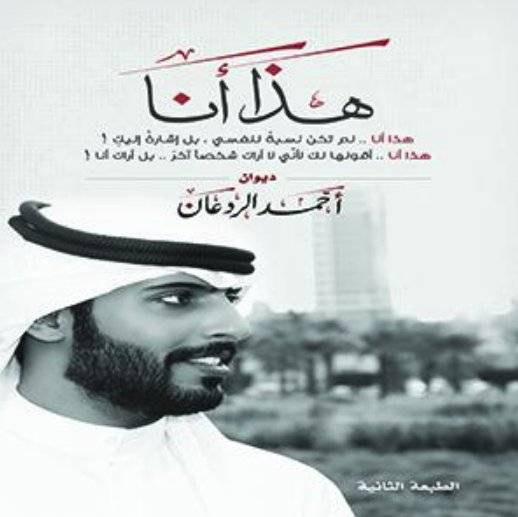
The book is entitled: Abstract in Management
(about a special administrative experience, which consists of (17) topics about some administrative concepts about management and employees, presented in the context of an article. Each topic concludes with a paragraph (the conclusion), which carries a summary of the article wrapped in advice to the reader. The basic ideas in the book are the importance of role models, and the urge for continuous training to refine... Skills, as well as the importance of dreaming in the life of a successful administrator, which leads him to success that only comes with work and knowledge, enhancing loyalty and career affiliation, in addition to a number of important administrative qualities in a successful administrator such as reading between the lines, recognizing personality types, perseverance in work, Be informed, break away from stereotypes, and search for purposeful change...etc
My mother's lambs:
I also loved those stories that my mother used to tell me. I loved to tell them to you and pass them on so that you can tell them to your children.
These stories of my mother are in the local dialect and I conveyed them to you on her tongue as I heard them, so that they are closer to your hearts and to increase your loyalty and love for the Emirati dialect and to instill in your souls the stories of our ancestors, as they are a different type of heritage stories known as (the sheep).
This book deals with anticipating the future of the Emirate of Abu Dhabi through analyzing the past and evaluating the present
And developing a vision for the future, which is done by identifying the different methodologies for dealing with possible scenarios by stating the facts and presenting statistics and the most important problems facing the economy of the Emirate of Abu Dhabi in light of the current regional and international challenges and political and economic changes, and presenting proposals for developing solutions to these problems so that they can be applied on the ground with the capabilities available and searching for alternative sources to develop non-oil revenues that help the emirate’s national income to compensate for the shortfall due to the decline in the price of oil, which is considered the most important pillar of the economic entity and a major determinant of the paths of economic and social development that the region has witnessed during recent decades in order to create a diversified and sustainable economy that matches or exceeds its counterpart in other economies. Comparable developed countries globally, such as the economies of Norway, Ireland and Singapore, must therefore adopt an unconventional productive economic model away from total dependence on oil so that it constitutes the real fence that protects the development process and ensures its sustainability.