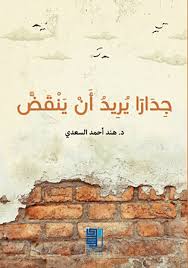
About the book (In Stories of Peoples)
The book (On Peoples’ Stories) aimed to focus on popular literature in general, and the popular tale in particular, because of its close connection to the literature of the nation and society itself, and a representation of people’s lives and their victories over the pressures of life, and their attempts to achieve their hopes and ambitions through it.
The book includes twenty-five diverse articles in the same field. Each article specializes in a special topic of folk literature or the folk tale and studies it in some detail, such as talking about the narrator of the folk tale and its recipients, and some of its characters who are considered the backbone of every folk tale, such as the princess, the hero, the aggressor, or The evil one, as well as diving into the kingdoms of the jinn and mixing them with the worlds of humans.
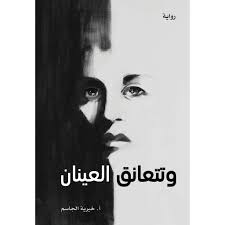
About the novel: On the desktop
The novel's events revolve around the character "Khaled", an employee with a fragile personality who suffers from problems in proving himself and...
Fulfilling his ambition and hesitation about the nature of his desires, he works in an environment characterized by shifts and changes, some of which are positive, and
Others are negative and he is not good at dealing with them due to his nature and personality, and this is linked to changes that occurred in him
The nature of society recently and phenomena that have recently reared their heads, such as the phenomena of atheism and religious extremism, and also
He takes a bewildered attitude towards it, even though he admires a character who represents the middle position, and he is his manager, Falah
Always working, and in turn he is harassed because of his dedication to work and his fight against undesirable personalities
Except through formal development and forgetting what brings real progress and advancement to the work, away from mediation
And personal compliments.