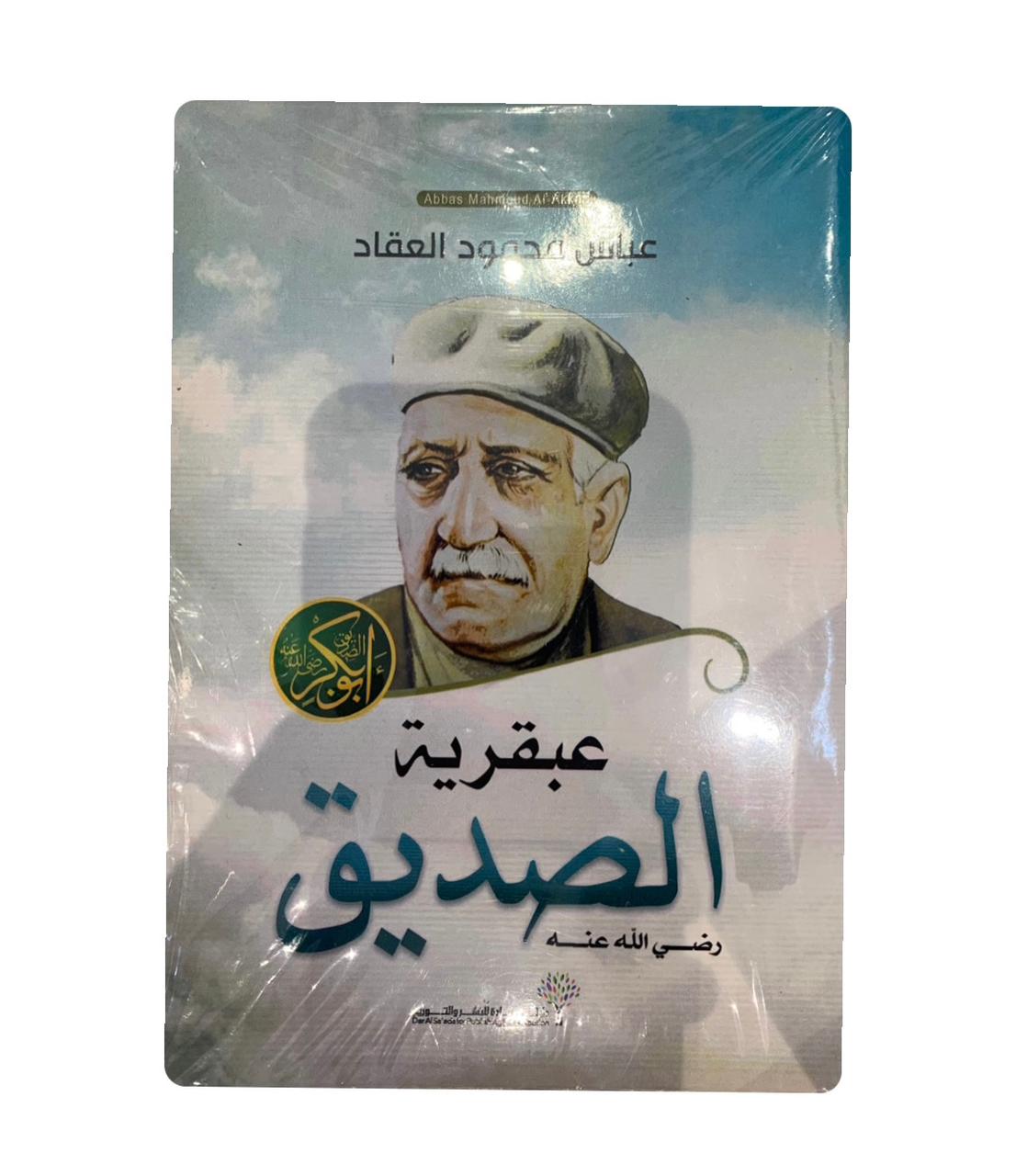
.. اعتنى الكثير من المؤرخين بترجمة سيرة الصحابي الجليل «أبو بكر الصديق» فلم يعد هناك الكثير مما يقال عنها، وقد أدرك العقاد هذا الأمر فجاء كتابه عن الصديق مختلفًا؛ فقدم دراسة نفسية تحليلية لشخصية الصديق ليتعرف على صفاته وسماته الشخصية ويستنبط بواعث سلوكه، فيسوق العقاد الأخبار والحوادث التاريخية لا ليعرضها هي نفسها بل ليضع يده على مفاتيح شخصية الخليفة الأول من خلال تعاطيه مع الأحداث وتعامله مع الناس. كما يقترب من بيئته وحياته قبل الإسلام وبعده وظروف إسلامه، ثم يعقد المقارنة بينه وبين «عمر بن الخطاب» ليظهر الفروقات بين شخصياتهما وطباعهما، كما يقدم جوانب من إدارته لشئون الخلافة في الدولة الإسلامية الوليدة وكيف تصرف تجاه الأزمات التي كادت أن تعصف بها.
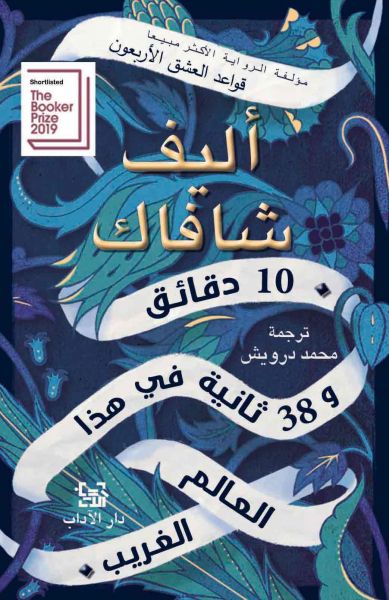
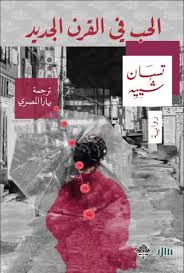
The characters of this novel are searching for a different life. Some of them leave their work in the cotton factory and become sex workers in the hot springs resort, while one of them enters prison of his own accord in search of calm. A third goes to her hometown, discovering strange caves and tunnels, while a fourth chooses a refuge in A rural province, where Chinese herbs are used in traditional medicine.
These characters are intertwined in multiple emotional and physical relationships, while each of them seems like a mirror of the other, as the story of each of them begins where the previous one left off, in a fluid temporal structure.
In this novel, which was longlisted for the International Booker Prize in 2019, Tsun Shieh writes about the meaning of life in its relationship to love, sex, birthplace and work, and about the vanishing border between life and death, between wakefulness and sleep, in a blurry and turbulent plot full of sensual descriptions and vivid metaphors. , its aspects resonate with echoes of magical realism.
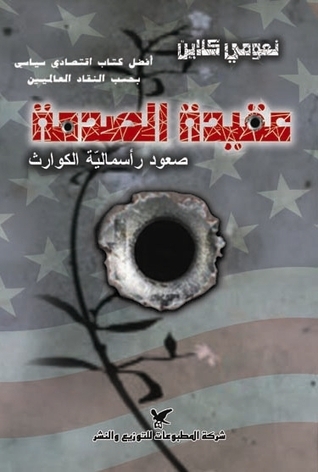
هذه مأساة لكنها فرصة تتيح لنا إصلاحات جذرية في نظام التعليم. كتاب قد لا يفسّر ما يحدث من كوارث طبيعية؛ لكنه بكل تأكيد يكشف بالوثائق والأدلة عن النيات المبيت
So young people write today? What topics do they cover? This book may provide a model for what young people think and how they see the world. On this occasion, we return and confirm what was said previously on other occasions: They write themselves, their lost lives in complex worlds so obscure that they are impossible to write. In these three texts, the ego is present, but it gradually turns into a comprehensive “I” that expresses an entire generation. Each of them writes his lived present, but this present is so fast-paced that it is difficult to capture it and express it in a way that fixes it in a specific form. The question that results from this observation: Can these young people actually live their present? The texts contained in the book are part of the product of a playwriting workshop, which we called “Writing for the Stage.” The name is not arbitrary, but rather carries a specific meaning linking the text and the performance, writing and directing on the stage. This workshop was organized by the Citizen Artists Foundation in 2016
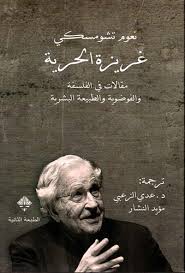
The Freedom Instinct, Essays on Philosophy and Anarchism
40 AED
90 AED
0 Reviews0 sold
Product Details :
Noam Chomsky enjoys great fame in the Arab world, as a writer who works to expose the foreign policies of the United States of America and its allies, and as a linguist who founded the theory of generative grammar. However, Chomsky is also a first-class philosopher; He wrote on political philosophy, epistemology, the philosophy of mathematics, logic, the mind-body problem, and other traditional philosophical topics. We would like to present to the Arab reader a part of Chomsky’s philosophical work, due to its philosophical importance, on the one hand, and its direct connection to our current and pressing questions about the issues of freedom and liberation, cultural specificities, the role of intellectuals in the struggle for liberation, and other topics, on the other hand.
The articles translated here include topics in epistemology, the foundations of science, rationality, the role of intellectuals, and the relationship between philosophical work and political activity, and are united by one main topic: freedom.
كتاب تصرفي كسيدة وفكري كرجل، للكاتب العالمي العظيم ستيف هارفي، يحمل عنوان الكتاب في طياته معاني كثيرة، ومن أكثر المعاني التي تصل إلى عقول القراء أن المرأة ...








-1718344524.jpeg)
-1717716771.jpeg)