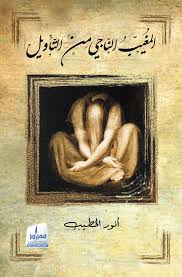
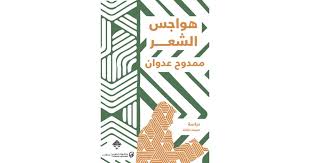
The collection “The Hidden One Who Survives Interpretation” includes 28 poems, some of which are short and some are long, and deals with emotional, national, philosophical and contemplative issues. The relationship with women constitutes an important axis in the collection based on the poet’s refined humane and civilized view of women. Exile also constitutes a major axis since the poet lives in exile. Many years ago. The poet also resorts to writing abstract, contemplative poems sometimes as a result of his interaction with external existence and his preoccupation with humanizing things. The collection in our hands is the eighth in the series of Anwar Al-Khatib’s poetry publications, and it comes in the context of his poetic project that aspires to establish a different language and a different, vibrant and diverse construction of the Arabic poem, so that it escapes itself from routine, repetition, and rigid templates.
Wooden Stacking Toys & Shape Sorting Board | Geometric Shape Stacker | Eco-Friendly & Non-Toxic Wooden Toy | Early Childhood Development Toys for Fine Motor Skills
Why poetry now?!
We live in an age of betrayals, conspiracies, and assassinations. We pant through twenty-four crowded, deadly hours in a frame of extended, neglected time that does not give any importance to our entire lives. We live in vortexes, labyrinths, and alienation. We live in oppression, fear, and hunger. So why poetry now?!
Who has time for poetry? Who has time to write poetry?! Who has time to receive poetry?!
Poetry riots against betrayal, conspiracy, and murder, or it riots against triviality, superficiality, and sorcery. If poetry does not say: “No” in a blatant, loud, and hurtful way, then it does not accept to say: “Yes,” even by cutting off its head.
It's that great positive thing. It is what confirms to us that we cry because we are not yet accustomed to humiliation and have not accepted it, that we bleed because we have not died, and that we are angry because we have not adapted to injustice. It alerts us to what we have almost forgotten, and reminds us that we are human, and that we are bigger and greater than our daily lives.
we are human beings. We must always remember this, and poetry must always remind us of this.
We are greater than profit and loss, greater than acceptance and surrender, or malice and evasion.
So poetry is necessary.
Therefore, a poet is necessary.