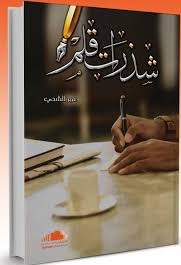
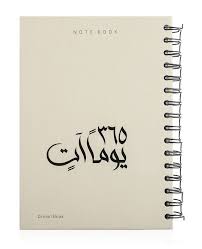
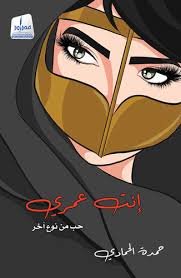
This book deals with 25 simple doses of happiness that anyone can follow in their life, and these doses guide us to the path of happiness, joy, and peace of mind..
As happiness is a series of rings connected to each other, these rings include many aspects of a person’s life, such as thinking, the self, family, and work, in addition to the social aspects, all of which are linked to each other. The happy person is the one who balances these rings, pays attention to their simple details, and lives a truly enjoyable life.
Scattered pages:
- Every day is an opportunity to create something new for yourself. Comfort is not always in achieving what you want; Rather, it is in the extent of your awareness of contentment and satisfaction with what you have. Sometimes, you have to take a look at some of the scattered pages of your life, and smile with satisfaction at what you have achieved. If you know that what you are in will not last long, this does not mean that it is not worth the effort, trouble, and work to reach what you want. With everything you lose, you gain something. last.
It contains quotes about self-development and 60 positive values about happiness, success, and developing our lives for the better.
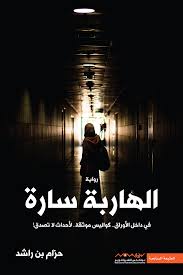
. في زمن غابر ولى في غفلة من قبائل ارض العرب ... استيقظ خطر كان يتربص بهم منذ عقود خطر تجسد بهيئة رجل ...لقبه اتباعه ب (الماران) كاهن تبعه من تبعه بدعوى نبوءات لا تخطئ من يراها في يقظته ومنامه ثار هذا الكاهن على حاكمه سلب عرشه بمعاونة اتباعه المغيبين ليس ليعتيليه ... بل ليحطمه.
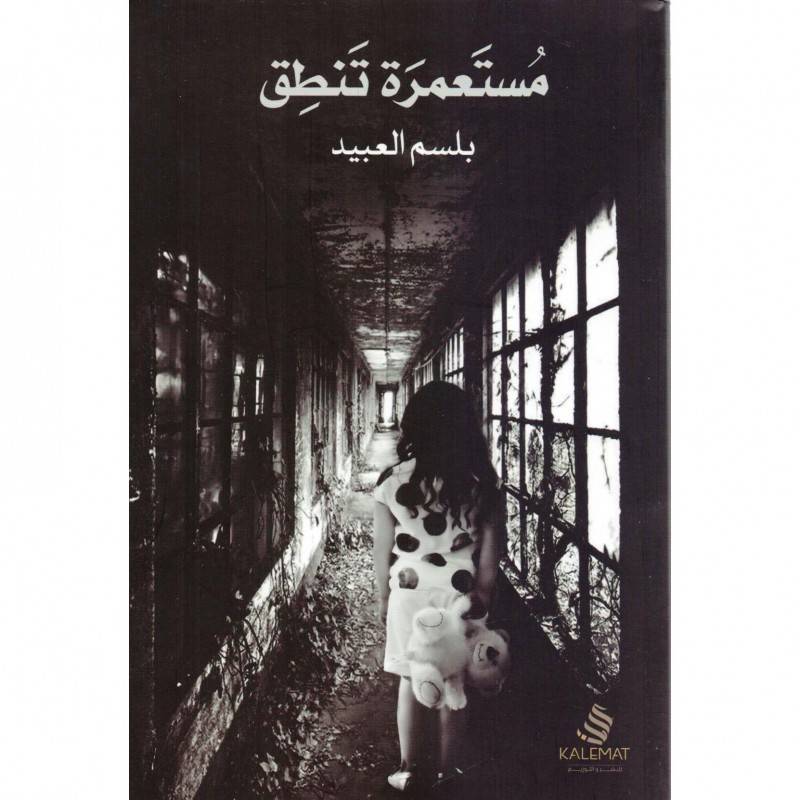
The events of the play in our hands take place in the sixties of the last century in London, during a period of great social changes. The theme of the play is the cultural and civilizational poverty and great frustration experienced by an entire generation of young people living on social aid.
In “Rescued,” Bond appears to enjoy exhausting our senses by torturing an infant - in a public park - whose mother had left him with his father. What is most horrific is that the alleged father joins his companions in practicing this violence against the infant, to the point of death, without a clear reason. But the critics who defended Bond - and they are few - realized that when he presents a scene like this, he presents it to condemn that political, social, moral and economic vacuum through what T. s. Eliot calls art the “objective equivalent.”
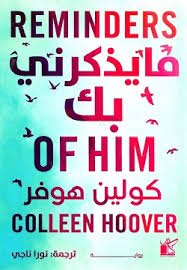
A university professor sees a painting in a museum in which a person very similar to his father is drawn, and he feels deeply that the resemblance does not stop at the symmetry of the two faces alone. A frightening intuition awakens within him, and he tries to meet a relative of the descendants of the man in the painting.
The novel's hero enters the maze of dream and wakefulness, and the maze of memory with its ramifications, evoking stories in which the real is mixed with the imaginary, and little by little we find that we are faced with several narratives, each one of which brings us into a new loss, until we ourselves become walking on the border between dream and wakefulness.
In “The Dark Bank,” José María Merino writes about the other or the companion, and about the past and memory, in a wonderful labyrinthine structure, within a vast time that lies on the margins of hours and pulses, and offers us pure pleasure that stimulates our imagination and senses.