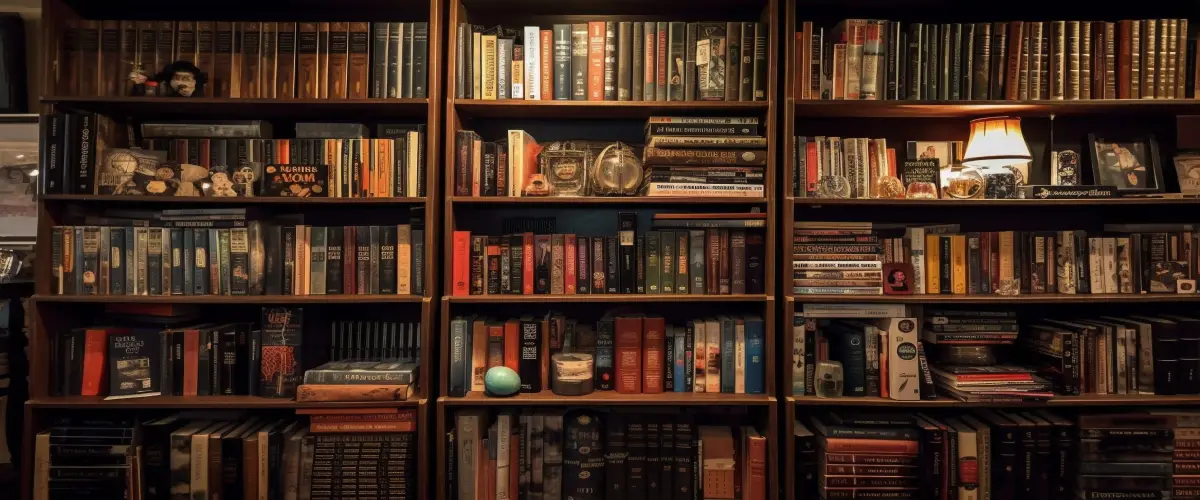
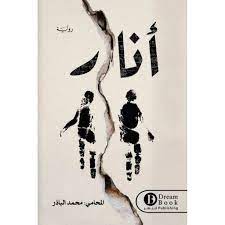
Salman visits the dead cities to make a documentary film about them, those cities that were symbols of ancient civilizations, before they became cities of broken columns and stone remains. But he finds there, in the house of one of the city's elders, a painting of a wounded deer, signed by his mother, "Fatima." Soon, the owner of the house presents him with possible scenarios for his film, all of which revolve around “Fatima,” and he finds himself entering a magical world and a confusing maze as he spies on the hidden faces of his mother, realizing that he only knew one face of her.
In this novel, Khairy Al-Dhahabi manipulates times and multiple voices to write about dead cities and Fatima with its many mirrors. Who is she? What is its truth? What is the secret of wishing? “If her name wasn’t Fatima”?
"كم هو عُمرك يا إبراهيم؟هِجرات ثلاث..وسنوات ممتلِئَة بالتَّضحيات..وبناء بيتٍ لله..ومشاهد لا تُحصى من مواقف الثَّبات!بهذا تُقاسُ الأعمارُ يا سيِّدي..بعُمقِها وليس بطُولِها!ورُبَّ عُمر اتَّسعت آماده، وكثُرت أمداده، وأمطرت غيماته إلى قيام الساعة!يا إبراهيم.. رَفَعْتَ بيتًا لله، فَرَفَعَ اللهُ لك ذِكرَكَ، ورفَعَ مَقامك
The title of this book highlights the characteristic of the author’s production. “Studies” means research, contemplation, and theory, while the word “love” means a permanent event in human life, and a feeling that rational philosophy sees as a confused and ambiguous mixture about which it is not possible to conduct intellectual research.
But the writer here fulfills the imperative duty he formulated: “Theory must open its clear eyes to subjective life from time to time. The viewer guesses and looks, but what he wants to see is life as it flows before him.”
In this study, the writer isolates the essence of love and purifies it, removing from it all the additions that obscure its realistic nature and complicate its process. It is love explained based on psychological and phenomenological research at the same time, and even on social research, since choice in love is considered one of the most effective factors in history.