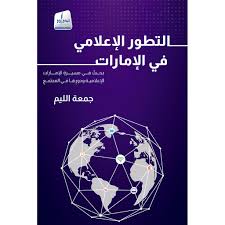
Media development in the Emirates...a research into the Emirates’ media journey and its role in society
70 AED
70 AED
0 Reviews0 sold
Product Details :
Media development in the Emirates: It deals with one of the most prominent vital sectors that contributed and continues to contribute to the process of construction and development in the United Arab Emirates. It is clear that this book came as a result of the rich professional experiences and diverse knowledge of its author, who witnessed the development of this sector and interacted with national efforts to develop it and advance it towards The best. There is no doubt that the media sector in the United Arab Emirates is one of the basic pillars on which the Union State was built during a half-century of impressive civilizational achievements in various fields. The media in the country has always been an honest voice for the nation, defending its issues and positions, publishing its achievements, strengthening its national identity, and contributing to consolidating the Union State and its lofty national and humanitarian values. During the past fifty years, the media sector in the UAE has developed steadily to occupy a leading position in the region, not only in the number of media outlets operating in the country, but also in the quality of media practices that applied the highest professional standards in dealing with media affairs, not only in the field of Employing the latest technologies and methodologies in content creation and distribution, and in the field of strengthening relations with members of the public, and even in the field of developing a national and global media model capable of responding to the fluctuations of times, and producing new tools for innovation in communication and interaction with the public within a framework of mutual respect and trust.
العظماء ليس شرطاً أن يكونوا ممن رست سفن التاريخ على موانئ حياتهم ذات يوم .. بل إنني أعتقد جازمة بأن كل إنسان حارب اليأس والفشل وسجل أسطورة نجاحه بكل إرادة وتصميم