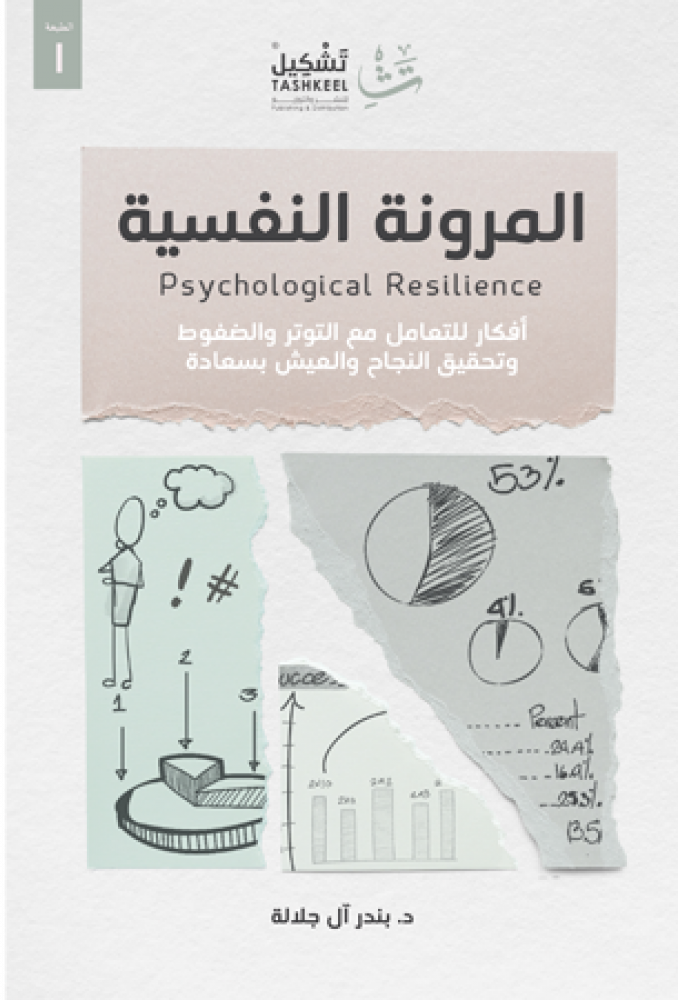
Salary deposited:
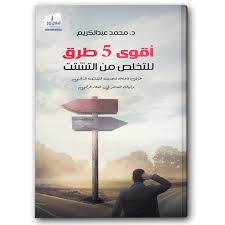
The book deals with the memoirs of an employee, where the challenges related to working life and the mechanisms for dealing with them are listed. It is considered one of the inspiring memoirs that, in addition to the narrative narration, presents the scientific side of human resources. It also presents the practical side that derives its strength from the writer’s experience and vision. This is done through 31 thoughts that represent 31 days, which is the period related to the employee’s eligibility for salary.
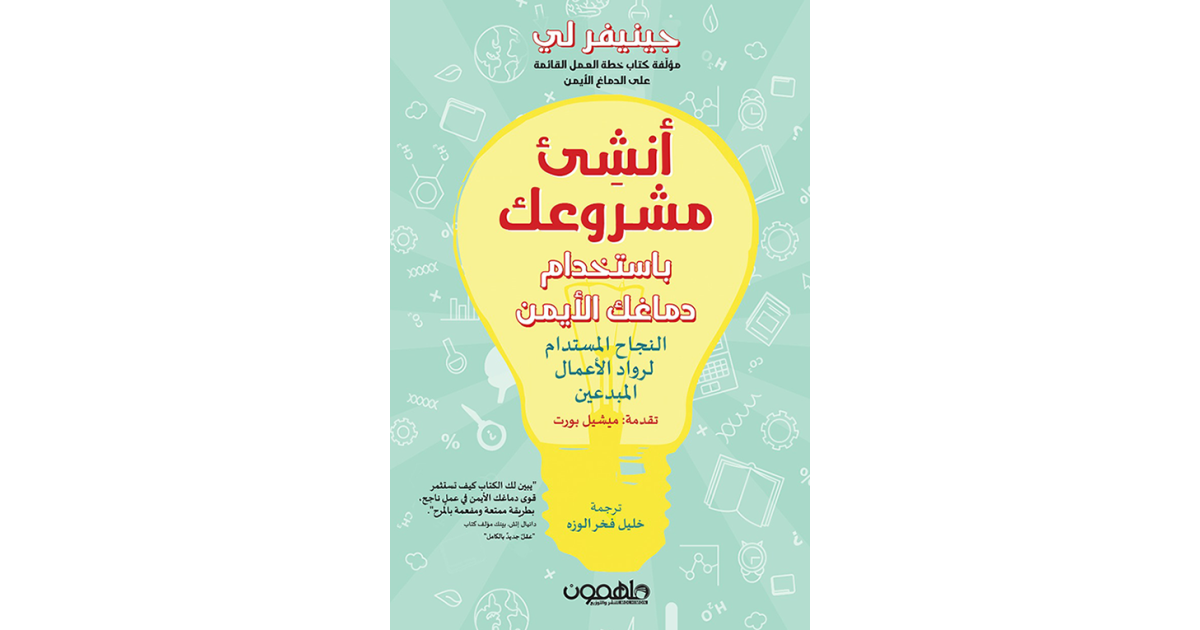
The dream that woke me up:
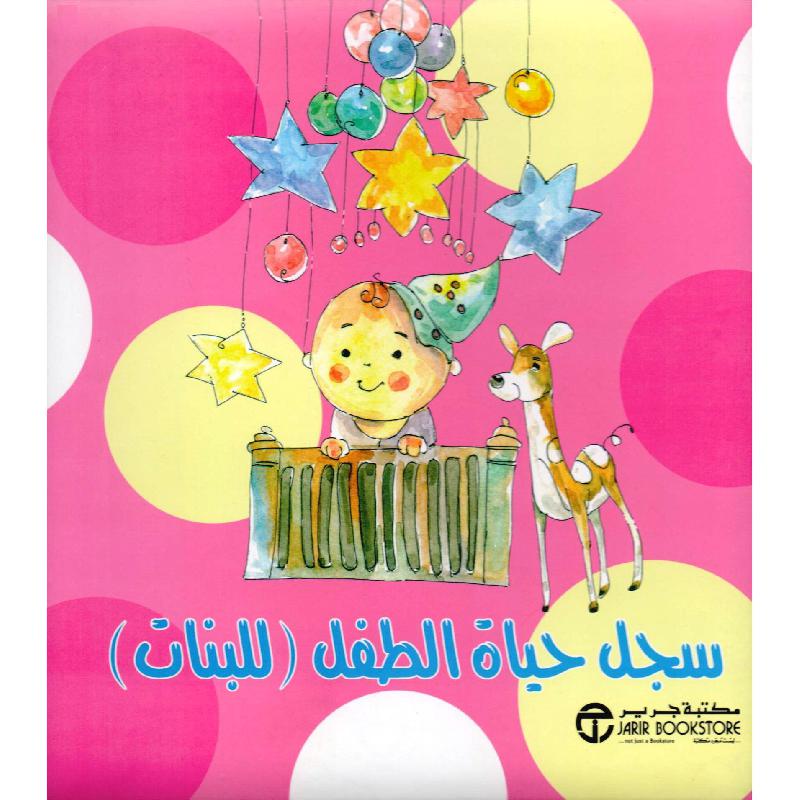
The story is a situation that expresses the child’s lack of interest in cleanliness and how his friend advised him, but he did not care and returned to his home. When he slept, he dreamed of the incorrect behavior that he had committed, and then the dialogue that took place between him and the characters of the story until he came to his senses and corrected his mistake, and the value of cleanliness and sustainability was established. Has
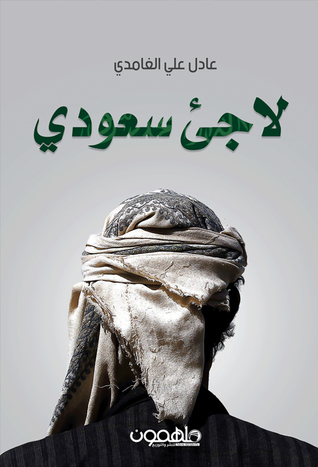
Time and power...
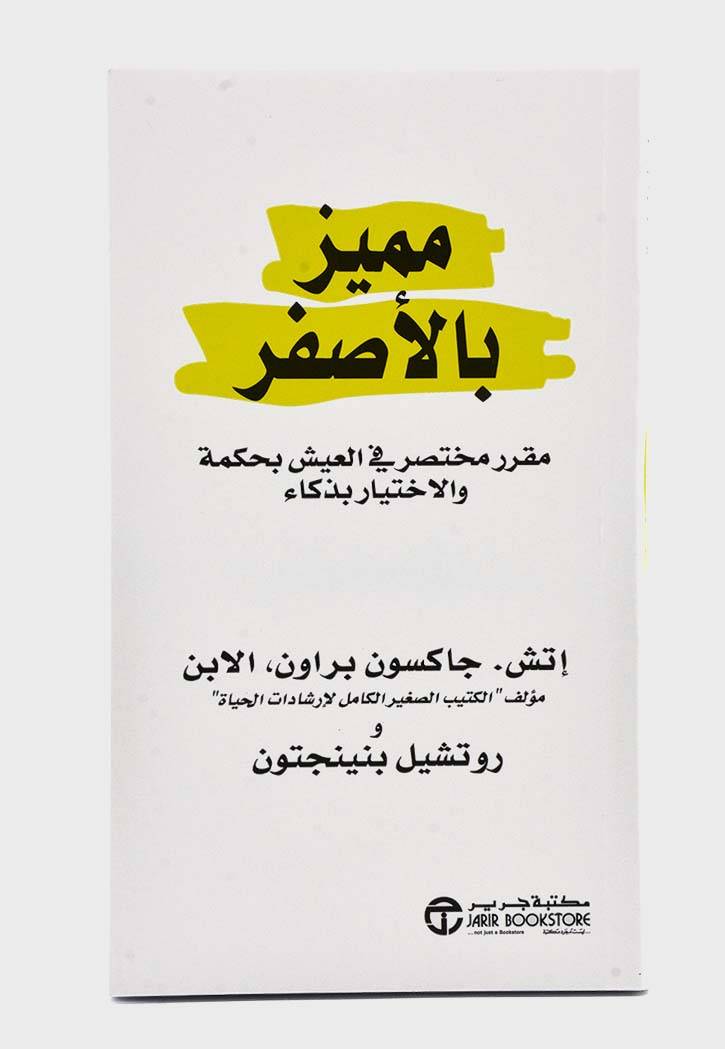
An imaginative fantasy inspired by the imagination, and some may believe that it is a projection of reality, but it is not so, even though our reality does not differ in some parts from the novel.
The names and characters in the novel are borrowed, and do not mean a person, but they are similar in the distant and recent past, and the events of the novel take place in a time frame that exceeds 160 years, in which the hero of the novel is exposed to a lot of injustice from those who have power. In his youth and during his studies, an influential person took advantage of his kinship to implicate him. In a case, even if his status is restored under the law, this remains a formality, as they can harm you even after your death.
He was also subjected to injustice when the woman who made an unjust claim against him reached the governor and turned the scales of the claim in her favor, because everyone sought to please her because of her connection to the head of the pyramid of power.
As the world turns to new media and social media, injustice returns again to the protagonist because someone with power and influence does not like Falih’s proposal or does not like him, and perhaps to please someone higher than him because he knocked on a door or someone who concerns him.
Saleh Al Jasmi.....