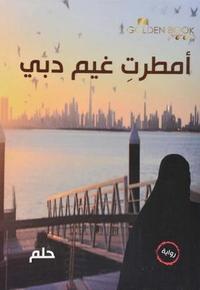
The two brothers, Helmy and Diaa, work in a car repair shop, while their mother works as a dancer in a nightclub.
Every day, when she goes out to work, one of the brothers disguises herself in her clothes to imitate her, and exercises the same dominance over the other with which she treats them.
In a theatrical text based on the play “The Maids” by the French writer Jean Genet, and taking place in the poor post-war neighborhoods of Damascus, Zain Saleh raises the questions that an entire generation suffers from about power, family, asylum, and gender.
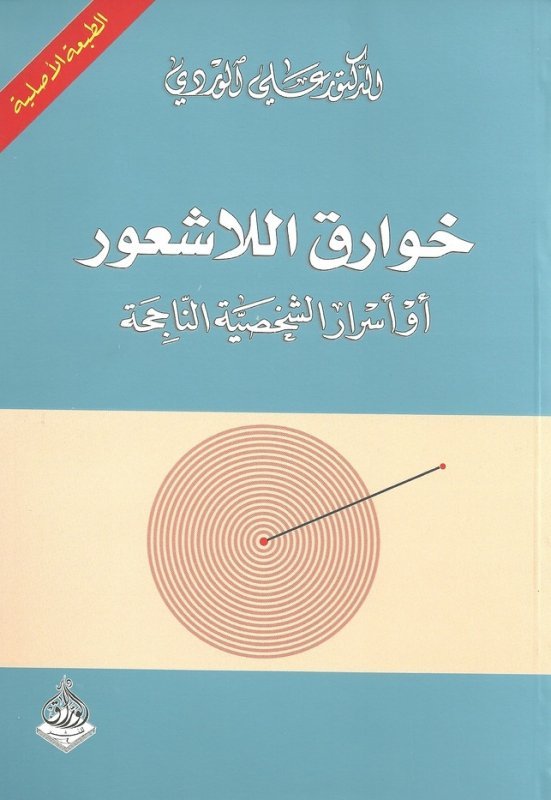
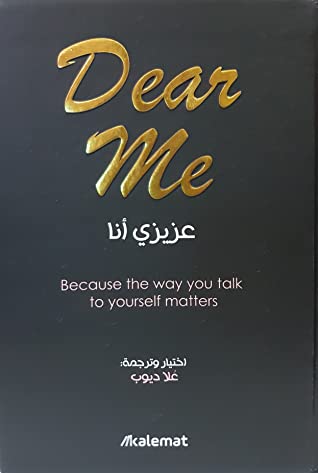
The book: The Inner Treasure: is a guide book published in English and recently translated into Arabic. It revolves around the topic of self-development through the journey of searching for happiness, discovering inner treasures, and how to unleash an individual’s potential to achieve his goals and enrich his life.
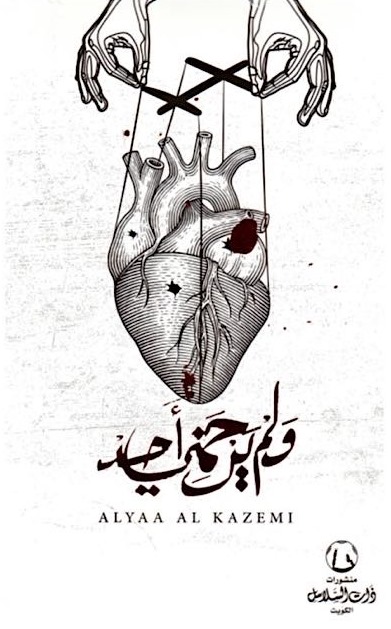
The country that only asks for its children to die is a dead country. The children who knew nothing but it, and would not think of leaving it, are hunting them down individually, so that devastation will be a clear future, and so that the thought of surviving the people’s experience of major battles for the sake of freedom, justice and change, is thinking. Very simple.
* * *
Time involves a new time emerging from its womb, and lessons are shed on its path
The ancient stories and the stories that were an example for an entire generation, and we who witnessed the violent moment of crossing were the bulwark of the old time and the living scepter in the hand of the new time, and for this reason we had to be divided and filled with deep cracks. Before we triumph over a part of us, and what died within us settles at the bottom of the painful times whose madness we witnessed.
“In this book, Sadiq Al-Azm wanted to analyze the causes of the defeat and theoretically propose a response to it, before he realized that, like many others, it was a recurring defeat, not resulting from “external conspiracies,” but rather from a persistent Arab inability, shared by both the peoples and the authorities. And this defeat The recurring nature that responds to every defeat with a new defeat is what makes the book retain its relevance. The defeat whose causes were explained is still continuing, the reasons it criticized are still present, and the mentality that justifies what cannot be justified is growing, growing, and active. However, the true importance of the book is not It consists in illuminating a historical tragedy, specific to time, but rather in the free critical approach, which explains human disappointments with human causes, without referring to a vague reference.” Faisal Darraj