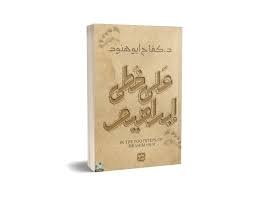
"كم هو عُمرك يا إبراهيم؟هِجرات ثلاث..وسنوات ممتلِئَة بالتَّضحيات..وبناء بيتٍ لله..ومشاهد لا تُحصى من مواقف الثَّبات!بهذا تُقاسُ الأعمارُ يا سيِّدي..بعُمقِها وليس بطُولِها!ورُبَّ عُمر اتَّسعت آماده، وكثُرت أمداده، وأمطرت غيماته إلى قيام الساعة!يا إبراهيم.. رَفَعْتَ بيتًا لله، فَرَفَعَ اللهُ لك ذِكرَكَ، ورفَعَ مَقامك
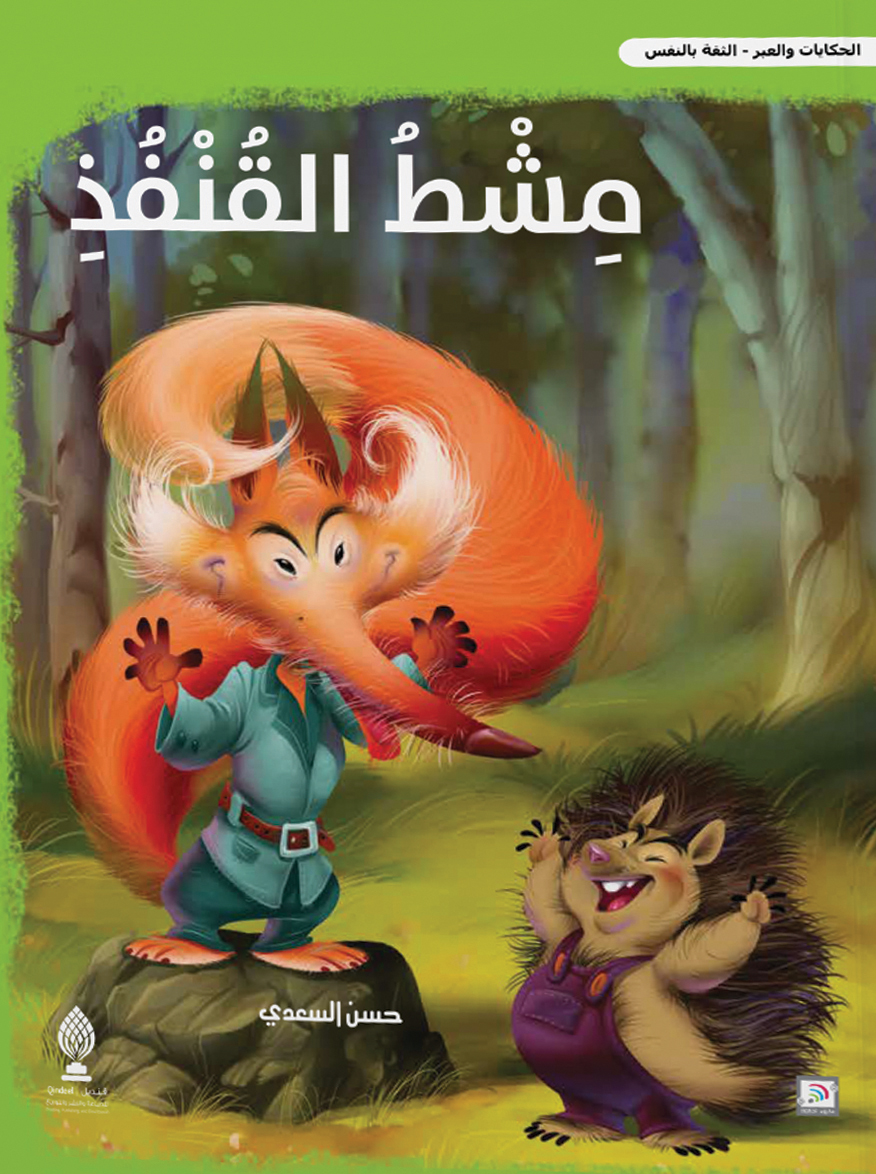
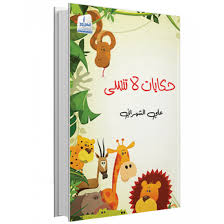
This work consists of five independent children's stories, each of which is in a separate book. They are as follows: 1 The naughty monkey 2 The frightened rabbit 3 The birds and the snake 4 The falcon Fawaz 5 The adventurous elephant.
The idea of this work is to create new and unconventional stories, starting with the common introduction in each individual story, which respects the child’s mentality and which begins each story with (Our story, children, dear heroes, is a story from the world of imagination...), and ending with the story in terms of the idea, interesting events, and eloquent language. And the easy, appropriate and accurate word; Note that this work is not complete without illustrations of the events and characters of the story. I have added notes numbered on the pages to each of the five stories above to give the artist the desired impression for drawing the characters and events of the story, as the picture is no less than the word.
The goal of the stories supported by drawings: to attract the largest possible segment of children and parents as well to enjoy reading, and to preserve the book and reading in a generation in which technology is competing with the book, and also to address the subconscious mind of the child and broadcast good and beautiful values in the form of an entertaining story whose heroes are mostly animals. I have deliberately shed light on Some beautiful and rare animals as characters in stories to add more joy and benefit to the child.
Thank you for your generosity in reading this brief introduction.