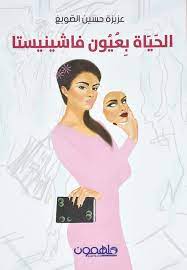
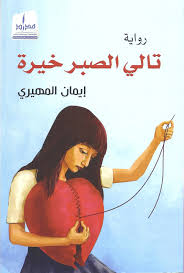
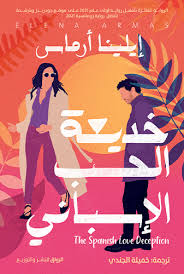
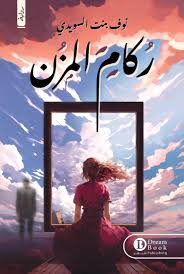
The novel talks about a young couple
The husband loves his wife very much, and every year on her birthday he makes sure to surprise her with something special, but on her 25th birthday, it was the biggest surprise that would change their lives forever.
I wonder what this surprise is?
في هذا الكتاب ذكرتُ بعض القصص الواقعية، والتجارب الحياتية الخاصة التي تركت أثرًا في نفسي، وأحببت أن أنقل إليك تجربتي. لطالما كان النظر للأشياء من زوايا عدة
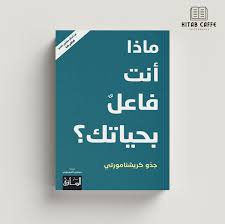
ينطوي هذا الكتاب، سهل التناول، على مفاتيح ثمينة تمكِّن القرَّاء من استكشاف حرٍّ لأكثر القضايا إلحاحاً في حياتهم. «واحد من أعظم مفكّري العصر». الدالاي لاما.
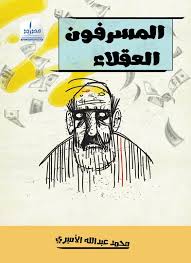
The book addresses some of the financial issues prevalent in our society in a short collection of true stories to educate and educate individuals. It begins with a conflict between “reason” and “society” over the group of creditors drowning in a swamp of debt, where “society” ignores the circumstances of that group while “reason” goes on a short trip to find out their stories and what their circumstances are, then offers solutions to the creditors, and benefits from the experiences of those who survived them in order to prove Society has the idea that these individuals are capable of change and emerge from the darkness of debt into the light of success, eventually calling them “reasonable spendthrifts.”