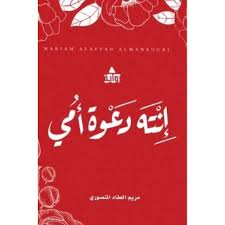
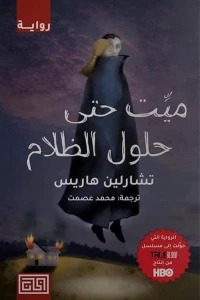
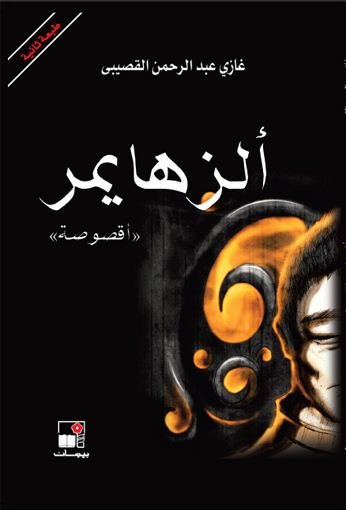
تناقش الرواية مفهوم الروح والنفس , الإنتحار والخوف من الموت , الكوابيس وتطبيقها, الأمل واليأس , الصدفة و القدر في إطار مبني علي دراسة نفسية لحالات حقيقية
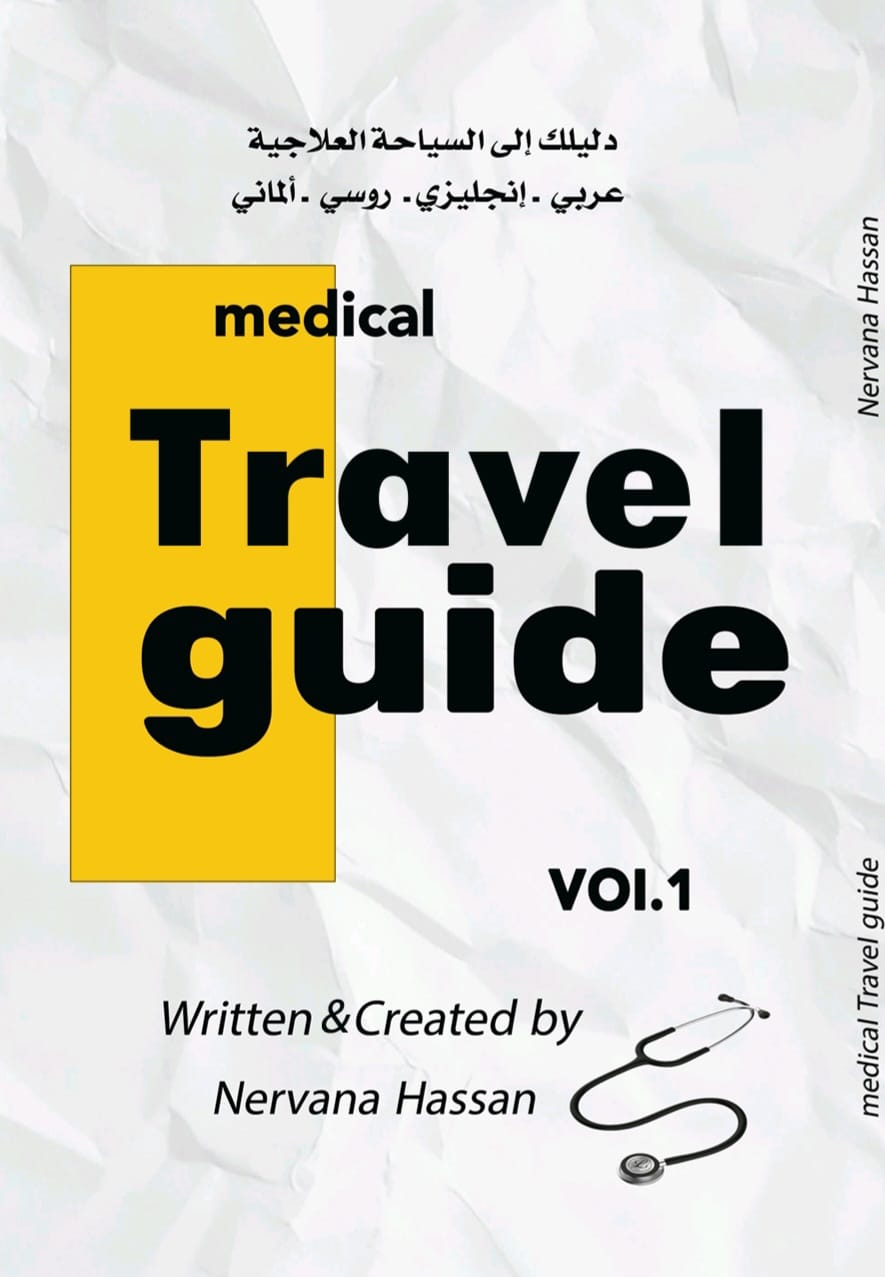
comprehensive reference designed to help patients and students understand medical terms and diseases in four languages: Arabic, English, German, and Russian. This book serves as a practical tool for anyone who needs to communicate medical concepts in different languages, whether for treatment abroad, academic studies, or professional use in the healthcare field.
The book simplifies medical terminology in an organized and accessible manner, allowing readers to find medical terms in their native language alongside translations in the other three languages. This makes it a valuable resource for immediate use in hospitals and clinics during travel. It also benefits patients who struggle to express their symptoms in a foreign language, facilitating clearer communication, accurate diagnoses, and effective treatment.
Additionally, this book is a valuable reference for medical students, helping them learn disease names and medical terms in a structured and clear way. It goes beyond simple translation by ensuring a proper understanding of medical terms in multilingual environments. This makes it an essential tool for anyone who needs to engage with medical concepts in a language other than their own
About the book (In Stories of Peoples)
The book (On Peoples’ Stories) aimed to focus on popular literature in general, and the popular tale in particular, because of its close connection to the literature of the nation and society itself, and a representation of people’s lives and their victories over the pressures of life, and their attempts to achieve their hopes and ambitions through it.
The book includes twenty-five diverse articles in the same field. Each article specializes in a special topic of folk literature or the folk tale and studies it in some detail, such as talking about the narrator of the folk tale and its recipients, and some of its characters who are considered the backbone of every folk tale, such as the princess, the hero, the aggressor, or The evil one, as well as diving into the kingdoms of the jinn and mixing them with the worlds of humans.









-1772316620.png)