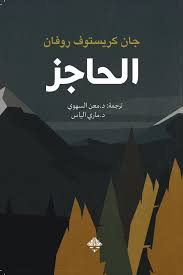
Burdened with noble goals, five young Frenchmen embark on a journey to deliver humanitarian aid to the Kakani region in Bosnia, during the period of civil war, but what began as a dangerous humanitarian mission on a bumpy road in the snow and cold, took a different path that made all their assumptions subject to question and skepticism. What's really in the boxes? Where are they going? What awaits them there on the other end? In addition to having to cross real checkpoints, they will also face more difficult intellectual barriers. What do the victims really need: survival or victory? What must be found: the animal survival instinct that requires only food and housing, or the human sense of dignity that requires means of resistance?
In an interesting and well-paced plot, the French writer Jean-Christophe Ruffin raises very profound questions about humanitarian work: its feasibility, its motives, and how to be truly humanitarian to the fullest extent. These are questions that the novel's characters keep asking themselves, and to each other, throughout a dangerous journey that may change their convictions, and perhaps their destinies, forever.
كتاب حب مفقود حب موجود – تاتيانا جيرومي. بعد مرور الكاتبة تاتيانا جيرومي بتجربةٍ قاسيةٍ لدى انفصالها عن شريكها، قررت أن تكتشف مشاعرها من خلال التواصل مع نساء