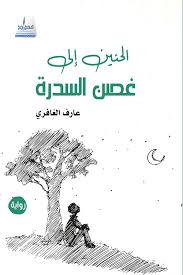
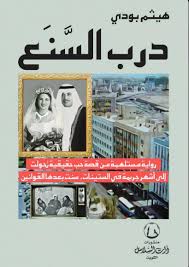
Longing for the Sidra branch:
The novel was woven from the writer’s imagination and its characters are not real. It was built on real places and historical events that occurred for our Arab nation in the sixties. The novel begins when the protagonist, “Tarish,” is accused of killing his cousin, and after that he flees and leaves his village and homeland that he loved for an unknown destination, and settles in He worked in the city of Dubai and lived through the period of the rise of Arab nationalism and its victories. After that, he joined the regular school to complete his education, until he met members of a resistance movement to colonialism. He embraced revolutionary thought and engaged with them in combat operations, until he was chosen to travel and join one of the Liberation Front camps soon. From the Mahri Sultanate, but God’s will wanted him to retreat and return to the soil of the homeland, to the village, and to its people.
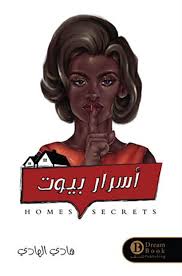
Was he a man? : Saud and Noura were brought together on the social networking sites, and then that coincidence came when they met in an official ceremony, between the first sight that would bring them together in a relationship. This relationship may be scattered or a false relationship. We will know then that she coexists with the heroes of the novel. Was Saud a man?!
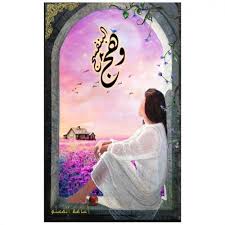
عن ماذا يتحدث كتاب وهج البنفسج؟
رازي عاش في قريته معزولاً عن العالم الشاسع حرصًا من أمه حتى لا يتأذى أو يعاني، ويصادف مريم فتاة المدينة التي أتت للقرية تبحث عن أمر لم تجده في المدينة، فماذا يحدث عندما تعرض على رازي خوض غمار الحياة الشاسعة مقابل أن يترك حياته في القرية؟ وما هي حقيقة رغبتها به دون غيره من الرجال؟
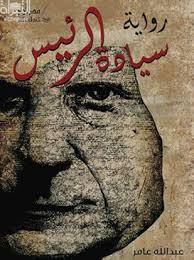
This novel will surprise you a little.
After you finish reading it, you will not be able to tell it.
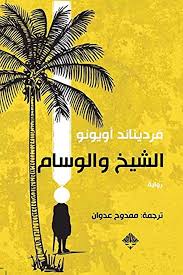
The writer is from Cameroon, and the event is simple. It takes place in the apartheid society controlled by the whites: The village residents wake up to news from the military ruler stating that the “great leader of the whites” will come from Paris to award old Mika a medal. In appreciation for his efforts and sacrifices, he is the one who lost his two sons who fought with the French army, and donated his land to the new church. Like the residents of his village, Mika feels great as a result of this appreciation, but he soon realizes that he is not strong, but rather a weak, oppressed old man in a weak, oppressed society. A battle in which he is defeated without his opponent appearing in the ring.
The old man and the people of his village are trying to cling to what remains in the memory about themselves, their customs, their methods of expression, their reactions, and their struggle for justice, but they realize on a daily basis: ((The whites have left nothing for us)).
Ferdinand Oyono does not interfere, as if he is sitting among them, doing what they do, so you do not know his direct position on what is going on, and he also drags you to sit with them and participate with them. It does not only aim to introduce you to the problem that people are experiencing, but also to the creative expression methods of these people.
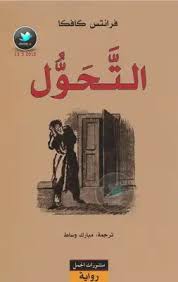
He was working in a sales company to support his family, which consisted of a father, mother, and sister. He worked to pay off his father’s debts that had burdened him. He is the “good son” as long as he performs his duty to the fullest extent, and any change in this is accompanied by anger, rejection, and neglect. In his workplace, which he found himself forced to live with, the state of domination and control by the chief of staff on the one hand is clearly evident, while on the other hand, it is matched by a state of subservience and submission on his part.
In fact, he has an unconscious desire to be fired from his job, but he fears for his family. From here arises a state of schizophrenia, as the two models of the cruel father and the boss represent the controlling authoritarian principle, and this is what arouses in him both submission and the spirit of rebellion.
He tried to follow the rules, to be a polite boy, to be rational as his boss described him at work... and between all these honest attempts, we find him completely losing himself, and he began to experience a surprising existential crisis!
Here he wakes up from his nightmares one day to find himself transformed into a disgusting “insect”!!
At first glance, he thought he was still dreaming, and amid the chaos and unreasonableness of the events, he needed conclusive evidence to confirm to him the veracity of the event, and this is what he got when he found his family shocked and terrified by the horror of the event. Then he realized the reality of the event and exclaimed, saying: “No, it is not a dream.” .









-1772316499.png)