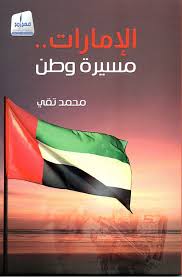
UAE is a homeland journey:
Therefore, in that book, I was keen to present a historical vision that explains and narrates the great efforts of the founders of the United Arab Emirates, and then the progress that the Emirates has achieved that is comparable to the great countries, and how the loyal men of our country established the concept of the national state, and the keenness to protect the homeland against any threat or danger, and on It is necessary for the new generations of the people of this dear country to follow the same path as our great grandfathers and fathers who sacrificed the precious and valuable in order for the banner of this great country to remain.
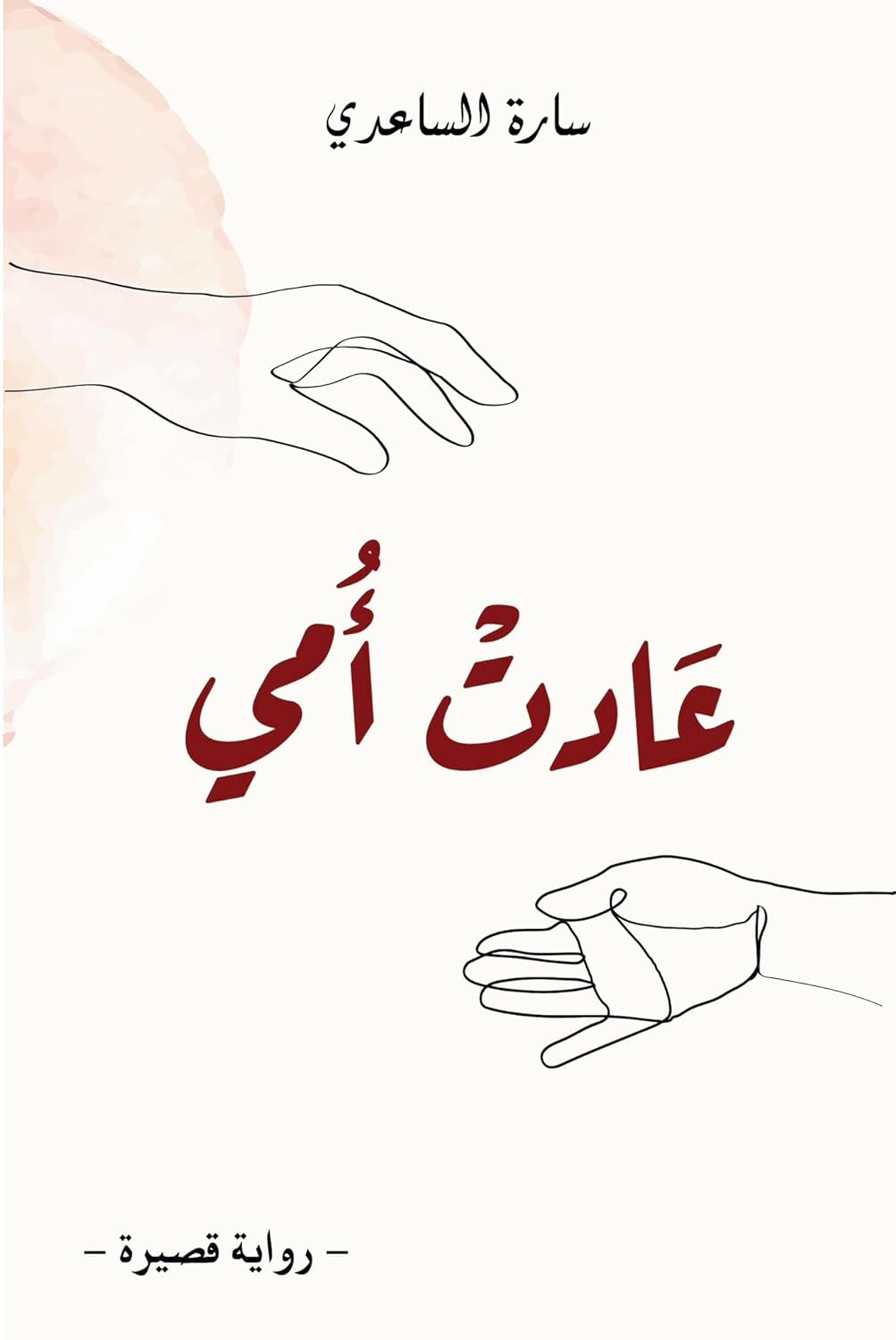
وقاطعها صوت ارتطام كف يد أمها بخدها. الأم: اصمتي… فقط اصمتي. عمَّ الصمت الأجواء ولم يتبق سوى صوت شهيقهما، والدموع التي تنساب على خديهما، ورائحة الدماء.
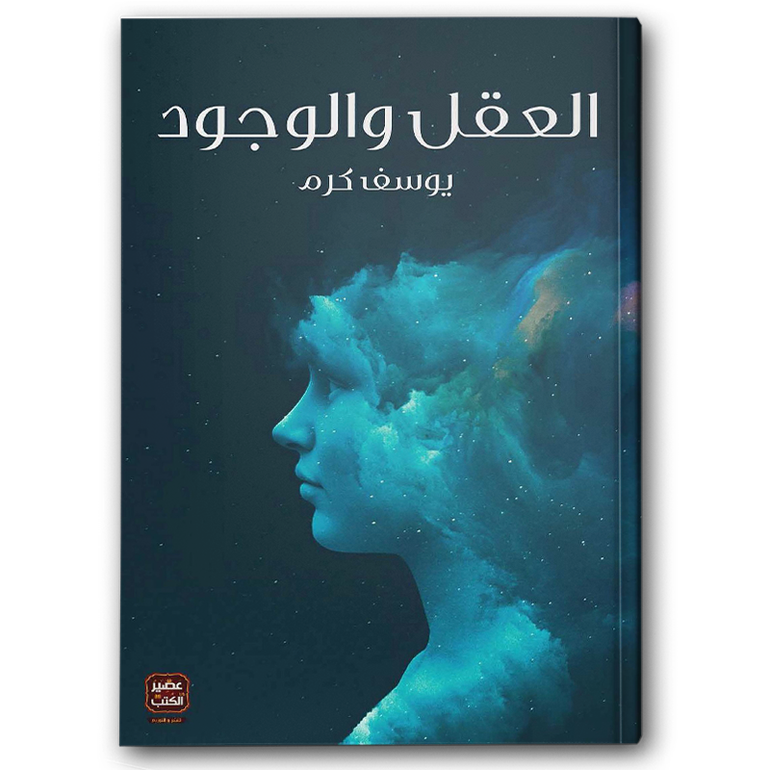
مع أني تمنّيت أن تكون من أصدقاء (الكتاب واضح من عنوانه) هل تستخف بي؟ أم تستخف بجميع الكتّاب هكذا؟ على كلٍ، ماذا قررت الآن؟ هل سوف تقتنيه؟ أم فقط قررت قراءة ...