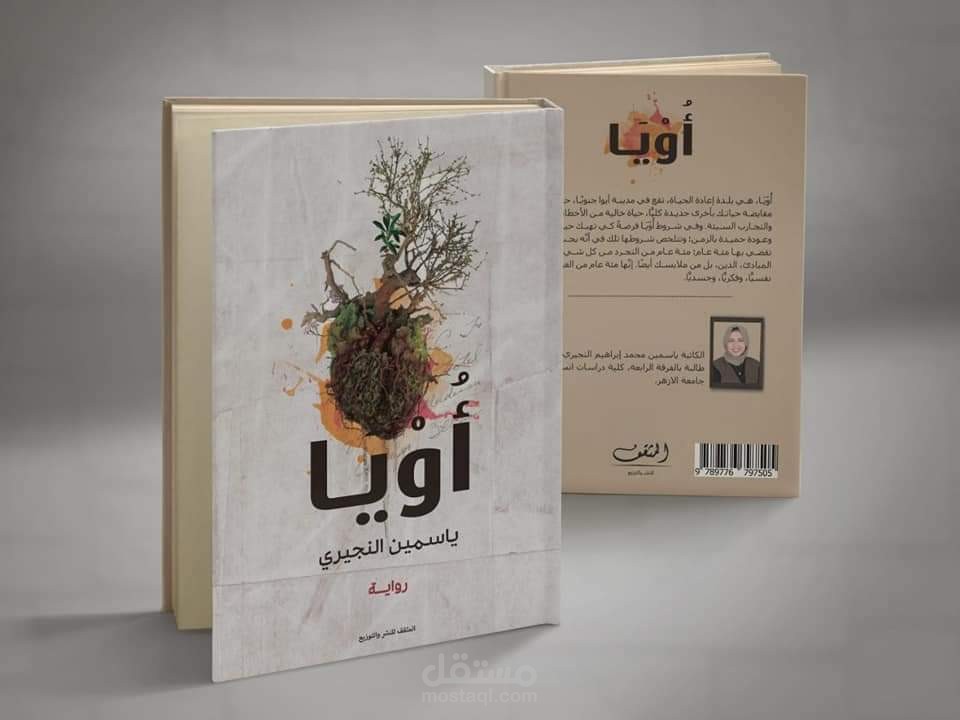
تدور أحداث الرواية في المستقبل البعيد، في عام ٢٣٢١-٢٣٣٨، تتحدث الروايه عن معضله تهدد البقاء البشري، ففي مرحلة ما في المستقبل كانت جميع الفتيات تُولد برحم متسرطن بسبب وجود طفره جينيه
حوادث حدثت في دول مختلفة في العالم من أشخاص بعضهم متعمدون بالإقدام عليها وبعضهم أجبروا عليها ومعظمهم قاموا بها بأنفسهم لظروف خاصة بهم أجبرتهم على القيام به
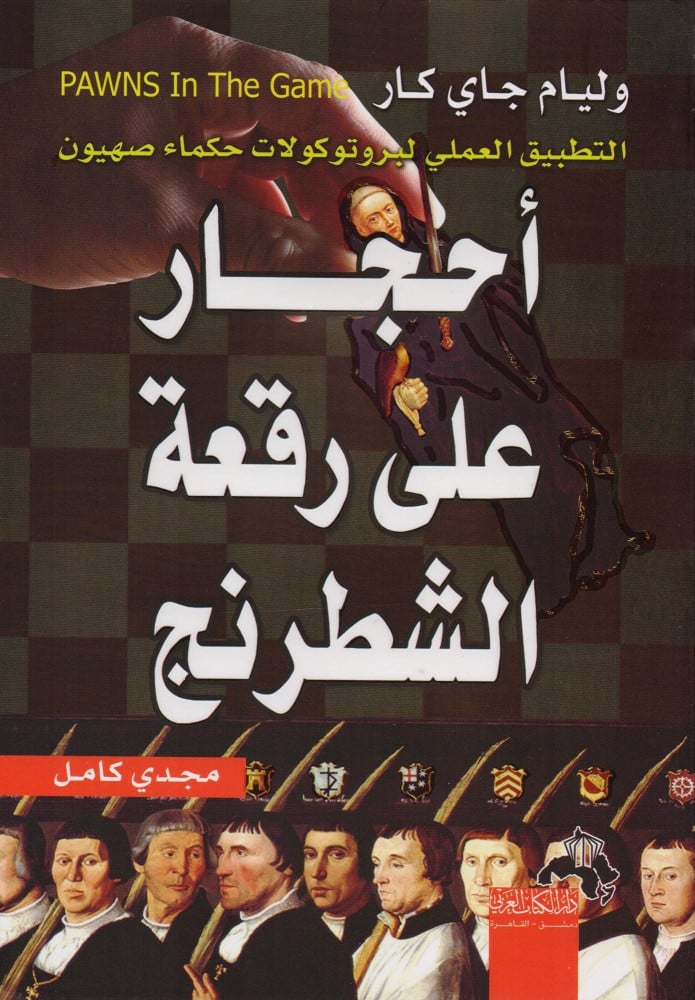
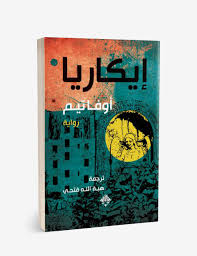
Influenced by the dream of a utopia and the ideas of the French philosopher Capet in his book “The Journey to Ikaria,” the two friends Plutz and Wagner embark on a journey to the New World, to participate in building the ideal society there, but they are separated upon their return in conjunction with the tremendous changes that Europe is witnessing at the beginning of the century. Twenty years ago, while Plotz immersed himself in realizing the Nazi dreams of building an ideal society; To become one of the figures in the theories of eugenics and racial cleansing, Wagner isolates himself from life. He works secretly in a library that hides banned books.
Despite the estrangement between them, their destinies meet again after the fall of the Third Reich. Because of a mission, Hanzen sends the American officer; To discover the secrets of Plutz's life, by interrogating that friend who accompanied him for long periods of his life.
Through the secrets revealed in lengthy conversations between book lovers, and the memoirs of a victorious officer in his defeated home country, Ova Tim - in his novel Ikaria - monitors the extent to which people may descend in their quest to build the ideal society.
The collection of the master of absence:
It is a collection of popular poetry that contains various topics in poetic poems, including emotional, social, humanitarian, and subjective ones. It also contains different types of popular poetry, some of which are vertical, some are ta’fa’il, and some are double between ta’fa’il and vertical..
The collection talks about the theme of absence in general in poems...but this absence is similar to presence in the world of poetry...it has innovative poetic images, different from the rest of the collections...with the presence of the Omani folk color mixed with beautiful modernism...
The dream that woke me up:
The story is a situation that expresses the child’s lack of interest in cleanliness and how his friend advised him, but he did not care and returned to his home. When he slept, he dreamed of the incorrect behavior that he had committed, and then the dialogue that took place between him and the characters of the story until he came to his senses and corrected his mistake, and the value of cleanliness and sustainability was established. Has