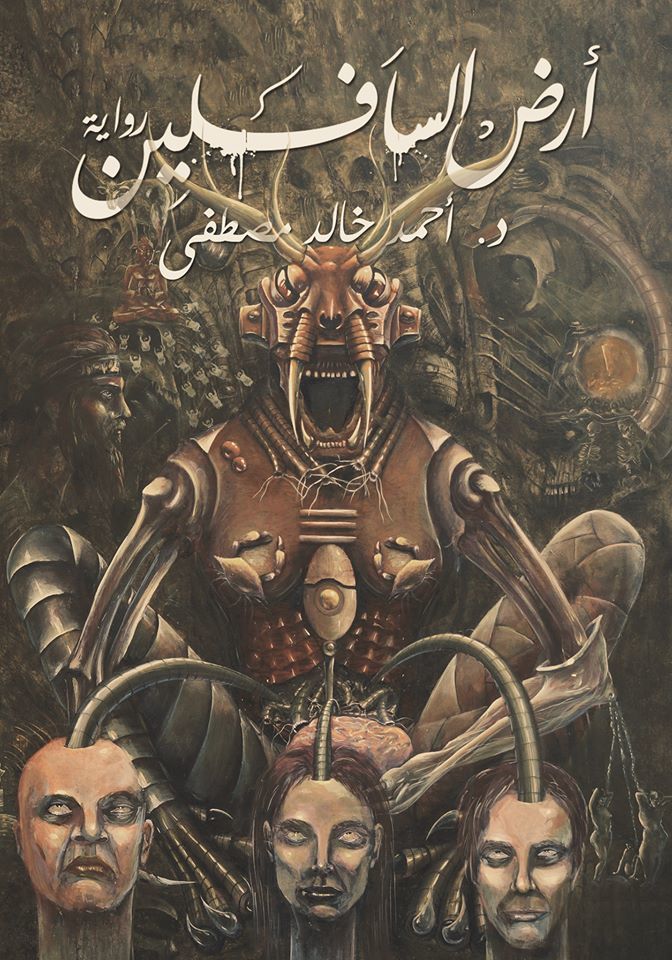
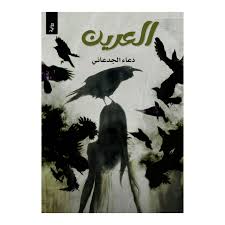
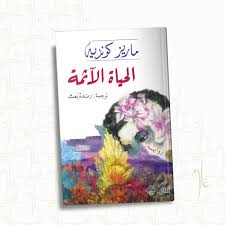
... هي الأرض التي تخون فيها زوجتك و تبيع فيها دولتك و تكفر فيها بربك .. ولا تبالي .. فكل قانون على هذه الأرض سقط .. و كل قناع على هذا الوجه انكسر .. ولم تعد فيها إلا سافلا .. تسير مع السافلين .. ولا تبالي
حكايا سعودي في أوروبا هو كتاب من تأليف الكاتب والرحالة السعودي عبد الله الجمعة وصدر في فبراير 2013. يندرج الكتاب ضمن صنف أدب الرحلات والسيرة الذاتية، حيث يروي فيه المؤلف قصص رحلاته ومغامراته في دول إيطاليا واليونان والمملكة المتحدة
After his return to the island, Manuel decides to dig into the past to recover the details of the murder of the man he adopted. He also tries to get to know more about the wife of Khatha, the mysterious man whom he had only met briefly, but who left a great impression on him. “Khitha,” the absent man, is the most present in the novel, and his presence will change the fate of the lives of its characters, including his wife, who irrevocably left her previous life and went on to rediscover herself after her meeting with him.
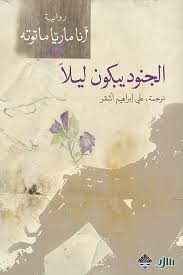
In the novel “Soldiers Cry at Night,” Anna Maria Matute attempts to experiment with new narrative methods based on mixing the narrators’ voices so that the speech of all the characters seems, in one way or another, to be one continuous dialogue. The dense, highly sensitive and delicate spectrum of characters in this novel will continue to haunt the reader and motivate him to re-read the book, which ended prematurely, leaving many outstanding questions.
تبدأ القصة بحياة مجموعة أطفال طبيعيين في مدينة صغيرة يرغبون بالعلم رغم الإمكانيات الضعيفة بالمكان فيذهبون الى شيخ منبوذ بالخفاء لتلقي قصصه وعلمه ومن بينهم بطل القصة الذي شغفه العلم والرغبة بمعرفة المجهول. لأجل المجهول نفعل كل شيء.
The events of this novel take place in an apartment, and this apartment is located on the third floor of a large building, and this large building is located in a poor and afflicted popular neighborhood. This poor and afflicted popular neighborhood can be found in many places in the world. It is not permissible in any way to associate it with a place. A specific, and a specific time.. and therefore it is necessary to note.
It is a strange memory, the memory of a child whose grandmother brought her to her home on the island of Majorca, due to the death of her mother, the illness of her nanny, and her father’s busyness. The war surprised her one holiday when she was fourteen. She accurately records in her memory everything she sees, including trees, rocks, sea, air, lights, colors, events, and the echoes of war far and near at the same time, and cowardice, betrayal, and treachery. She records feelings of hatred, revenge, fear, and love, her first love that is devoid of lust due to the absence of instinct. When she becomes a woman, and she is still playing with dolls, her doll is Black Gorogo, the chimney sweep that she brought from afar, from one of Andersen’s stories. So the times mix with each other, and the present moment calls for the near and distant past moment, and the latter may be longer than the first moment because it took its place in the memory and settled, and therefore parentheses, doubles, and abundant details abound without making one feel bored. Because all of this is written in a sublime language and in the style of a first-class writer: Anna Maria Matute.
The novel “The First Memory” won the Nadal Prize in 1959, which is one of the most prestigious and prestigious literary awards in Spain.