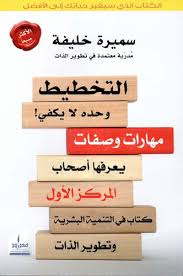
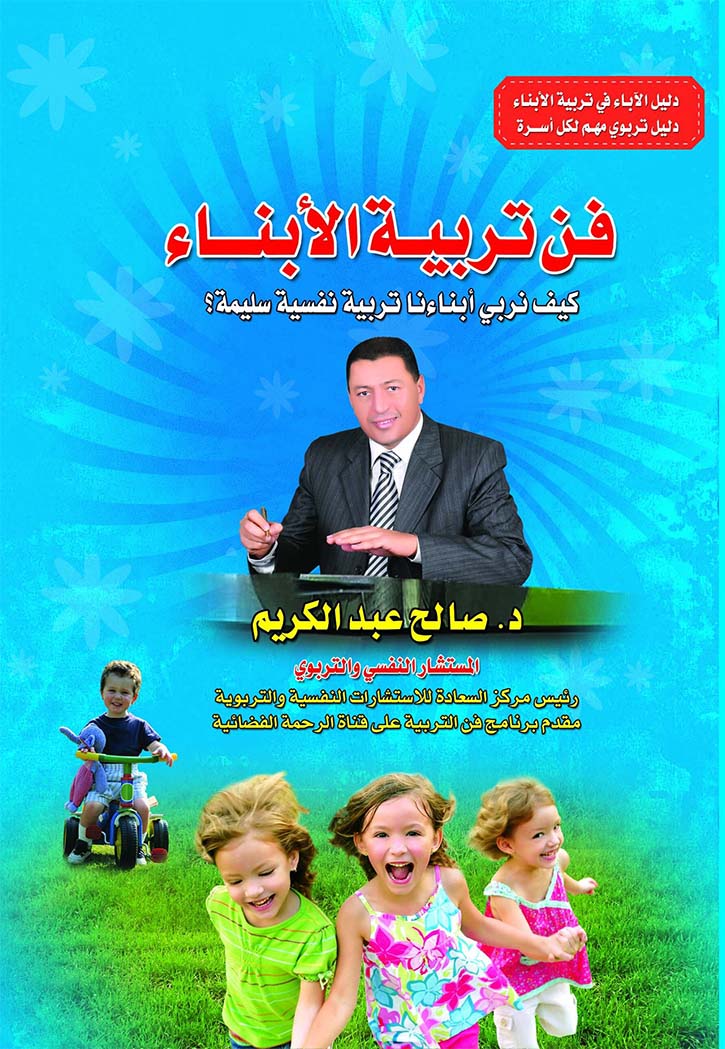
Planning alone is not enough!
This book highlights the most important qualities and basic skills that are important to men, women, students, and everyone who seeks to live in the best condition in professional and social life, which some people overlook. It also contains various and easy-to-apply exercises that will help the reader to practice these skills, which are characterized by those in the first positions in the world. Successful, distinguished and leaders.
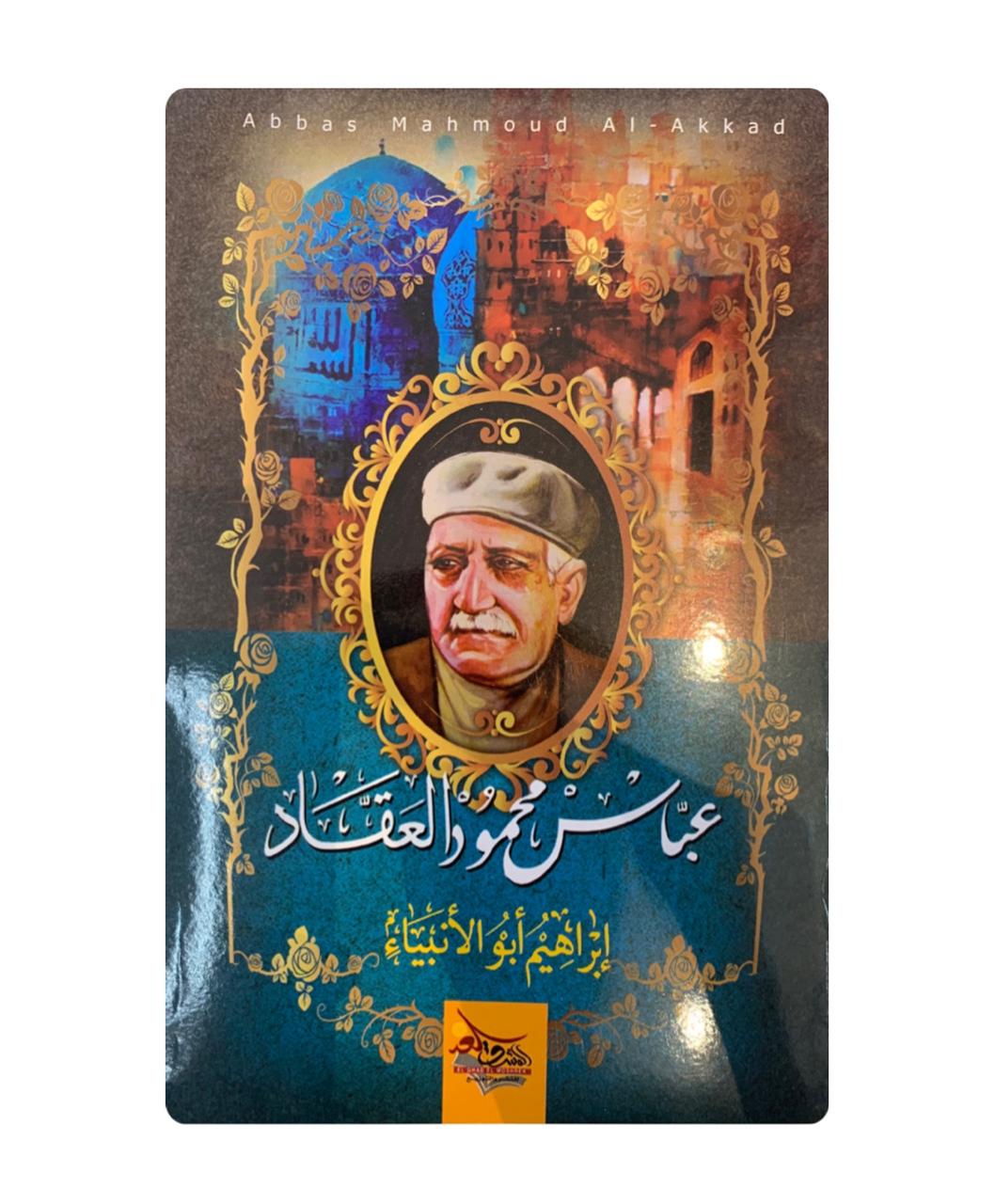
يصل عدد أتباع الأديان الإبراهيمية الثلاثة (اليهودية والمسيحية والإسلام) بالإضافة للصابئة إلى أكثر من نصف سكان العالم، وهذه الأديان قد قررت مكانة نبي الله إبراهيم الخليل عليه السلام، واعتبرته أبا الأنبياء؛ فهو من أوائل الذين أُرسلوا برسالة التوحيد؛ ليَهْدوا البشر لعبادة إله واحد شرَع لهم ما لو أخذوا به لاستقامت حَيَواتُهم. وعلى الرغم من أن المصريين القدماء قد عرفوا نوعًا من التوحيد؛ هو توحيد آلهتهم في إله واحد رمزوا له بقرص الشمس، إلا أن ذلك التوحيد كان اجتهاديًّا، وليس بتوحيد يقوم على رسالة من السماء. والمتتبع لسيرة أبي الأنبياء إبراهيم سيجد الكثير من النصوص المقدسة التي أشارت لمكانته، وحكت قصة دعوته لقومه، فنَجِد ذِكْرَه في التوراة والإنجيل والقرآن العظيم. والكتاب التالي يقدم دراسة شاملة عن رؤية أهل الأديان السماوية لخليل الرحمن إبراهيم