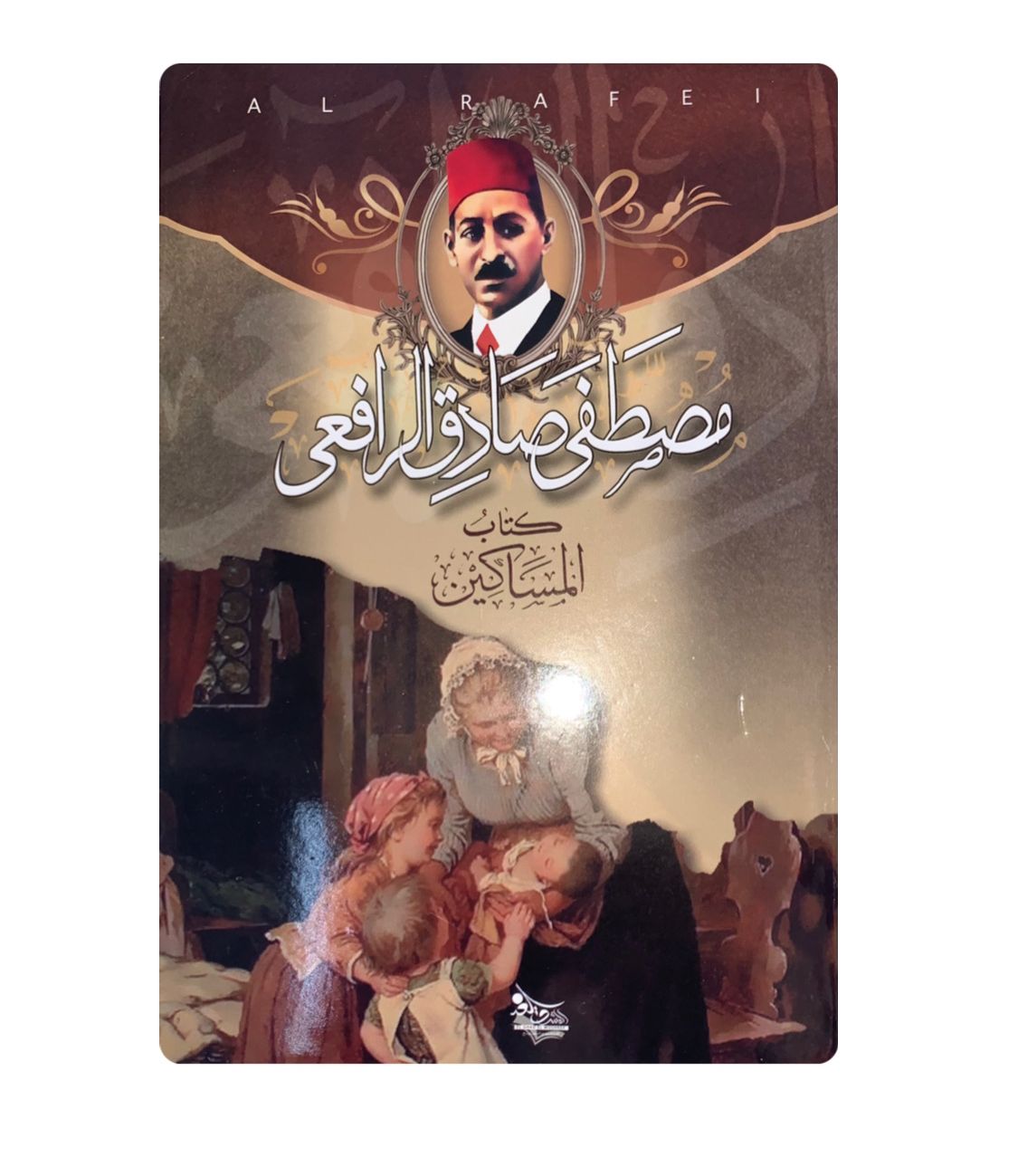
«المساكين» هو كتاب نثري صِيغَتْ صورُه من آلام النفس الإنسانية في صورة قصصية يرويها لنا الكاتب على لسان الشيخ علي شيخ المساكين، الذي يقصُّ مأساةَ الفقر والعَوَزِ الإنساني في رحاب قصصٍ تحمل الكثير من العِبَر والعِظات الدينية والاجتماعية. ويعرض الرافعي في هذا الكتاب فلسفة الفقر التي يصيغ تفاصيلها بواسطة أدواتٍ من البلاغة الأدبية التي عَهِدْناها منه؛ لأنه المبدع الذي ينظر إلى مأساة الفقر بنظرة الفيلسوف ومداد الأديب الذي يحوِّل مأساة الواقع إلى صورةٍ بلاغية تحوِّل الفقر إلى طاقة إبداعية، تضع الفقر في صفحاتٍ من الحكمة الفلسفية والبلاغة الأدبية
Flashes of conscience:
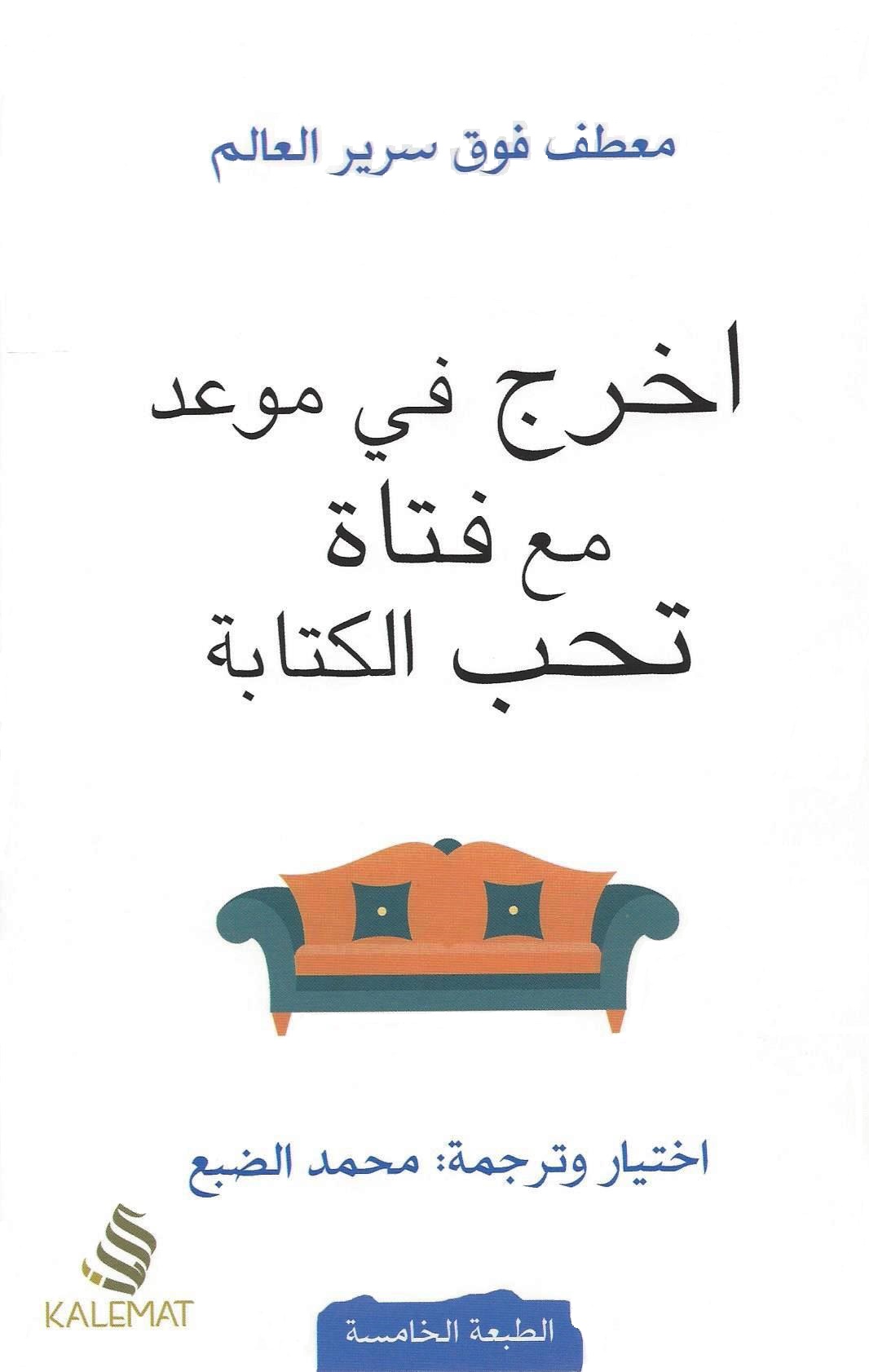
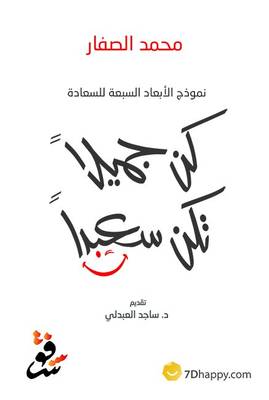
Pictures in the form of flashes emanating from the author’s conscience, which he shares with the reader to build positive energy within him, through motivational phrases, positive thinking, and moral psychological rules that enable him to overcome obstacles on the path of his life, fill it with happiness, and do the impossible to achieve success and happiness, and shine in dealing with others.
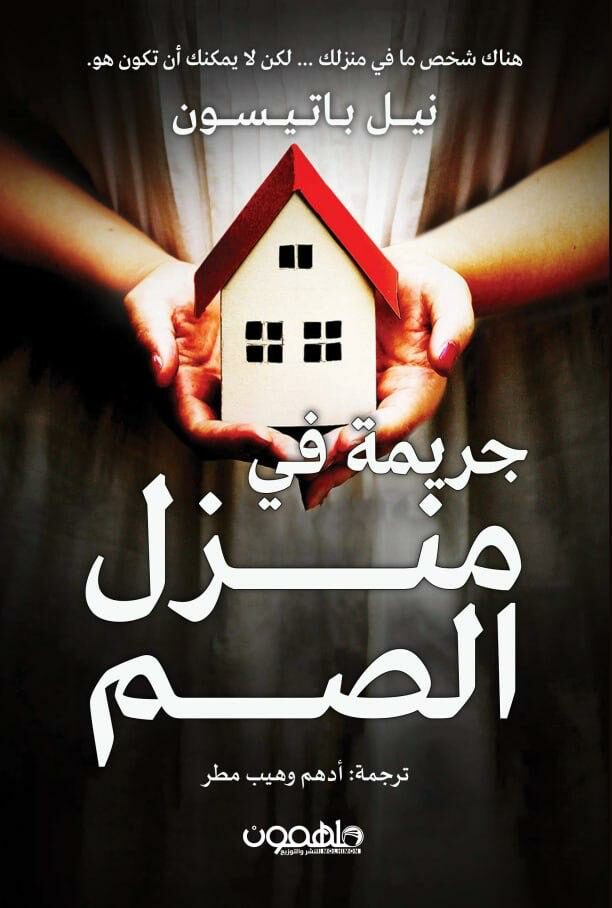
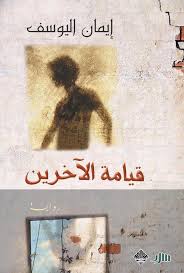
On the night that her husband and children prepare to travel, symptoms of a psychological disorder begin to appear on Mead, a photographer and newspaper archive official. A disorder that makes her see all faces as one face, the face of a bearded Greek god, and little by little, as the disorder worsens, details of the present and past events that led her to the extremely complex social maze she faces are revealed. In a narrative shrouded in mystery, the writer combines imagination with heritage, myth, fantasy, and history, to create from all of this a tight narrative text that discusses major existential and philosophical questions: What is the role of the other versus the ego? What if the hell was me? What if the world existed within the being of only one individual and everything else was an illusion?