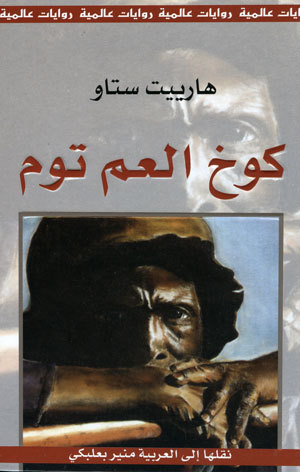
Following the Pinochet coup, which overthrew President Salvador Allende, thousands of Chilean families emigrated to escape the new regime, including the Lucho family, who headed to Germany.
For his parents, time stopped the moment he left Chile, waiting for the moment of return, and the world was divided into two parts: the lost homeland, and the remaining countries, and like an entire generation that refuses to accept what happened, they sank into (ghettos) of sadness; Europe was offering them lungs of freedom, but it was also inflicting on them the pain of distance.
As for Lucho, Germany was a different country full of what was worth living: he had daily challenges in the street and school to live, new cultures to discover, friendships, enmities, quarrels, and the first heartbeats he had to experience; All this without forgetting his inherited duty towards his motherland.
About the obsessions of asylum, failures, dreams, and disappointments, Scarmetta leaves his teenage hero to tell his story, presenting us with a charming model of friendship, companionship, and the struggle for justice.
Human comedy:
By “human comedy,” I mean what I understood while I was still young, crude, and inadequate, namely the absurdity and amusements of human beings. Rather, I go further than Aristotle did in his definition of the word comedy, where he said: (Comedy is what causes laughter, rather than the defect that does not cause pain). As for me, I mean by comedy here, it is immorality, farce, play, contempt, recklessness, confusion, and the chaos of humanity, and there is no laughter in it. For me, comedy does not inspire reverence like the comedy of the Greeks or Dante, and it does not call for laughter like the comedy of Aristotle. Rather, it is a funny, crying comedy because of its contradiction and absurdity, and to those who say that humanity has accomplished a lot, I say that even if there are any notable highlights, achievements, or progress, they are the results of random interactions, scrambles, and quarrels that are unplanned and unplanned, like a gambler who sometimes wins and often loses, but it is an ungrateful gain. Or he should be praised for it, but it did not come from thought or action. Rather, it is absurdity, experimentation, and play.
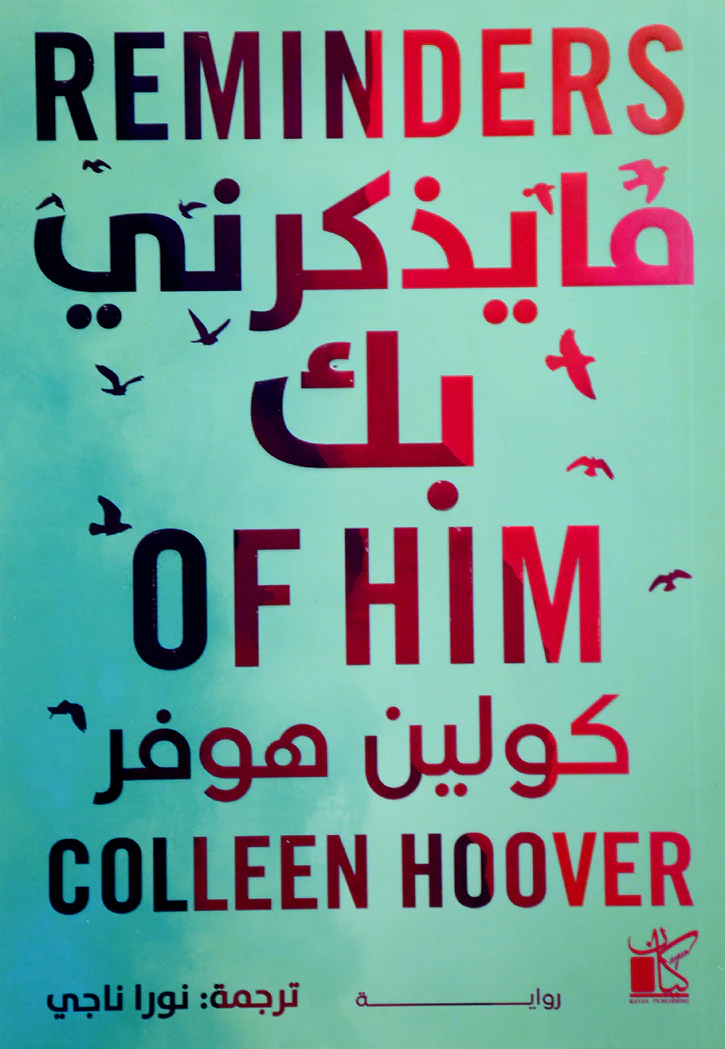
Burdened with noble goals, five young Frenchmen embark on a journey to deliver humanitarian aid to the Kakani region in Bosnia, during the period of civil war, but what began as a dangerous humanitarian mission on a bumpy road in the snow and cold, took a different path that made all their assumptions subject to question and skepticism. What's really in the boxes? Where are they going? What awaits them there on the other end? In addition to having to cross real checkpoints, they will also face more difficult intellectual barriers. What do the victims really need: survival or victory? What must be found: the animal survival instinct that requires only food and housing, or the human sense of dignity that requires means of resistance?
In an interesting and well-paced plot, the French writer Jean-Christophe Ruffin raises very profound questions about humanitarian work: its feasibility, its motives, and how to be truly humanitarian to the fullest extent. These are questions that the novel's characters keep asking themselves, and to each other, throughout a dangerous journey that may change their convictions, and perhaps their destinies, forever.
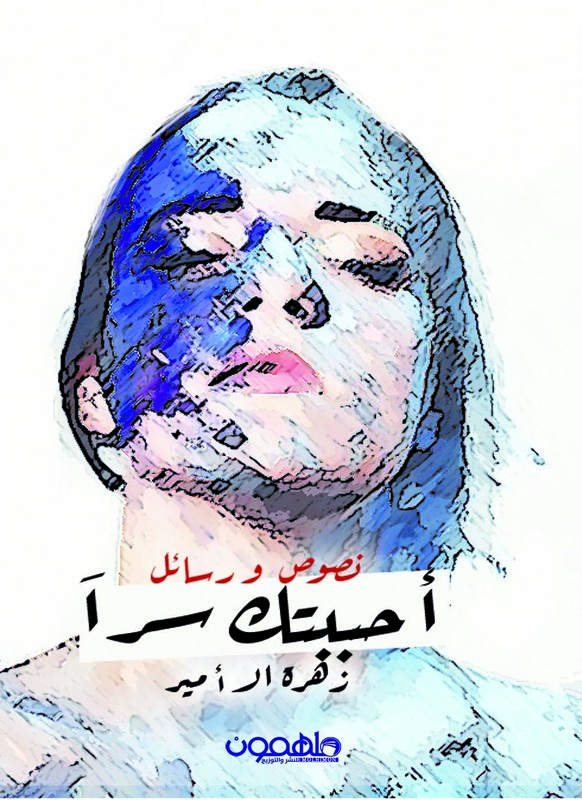
Novel: A Girl's Crisis
About the novel:
The events of the novel begin with an interpretation of a dream for a girl that increases her pain and pain in her heart, and the thought exhausts her mind, then her memory returns to the reasons for this dream and the interpretation..
The events of the novel revolve around a young girl (Juri) who goes out for two hours and returns collapsed, broken, and shocked, because of a reckless young man who destroyed her femininity and elegance after he was her friend who sits near her uncle’s house, and no one from her family was able to find out what happened except her cousin (Ahmed). Days pass and she hates all the men except her cousin, who helped her and stood up to her cousins. The girl grows up and the pain continues, and her pain increases with her friends’ thoughts about love for another young man (Ziyad), who enters her life without warning, so dreams and interpretations begin to haunt her, and the hatred and hatred towards them increases more and more when she learns that the two young men are relatives. The young man is initially confused by the girl's treatment of him until he insists on exploring what is hidden inside her, only to find himself falling in love with her, and the fate of his love for her is unknown. He is satisfied with him as a husband! Or throws his hopes into the abyss of her hatred? ..
As for her family, they believe that once she gets married, the crisis she has been through for many years will end, and they hope that her heart will soften toward her cousins...
The novel ends with Juri realizing the lie she lived and suffered with for many years, and forgiving whoever caused it.