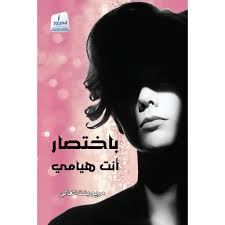
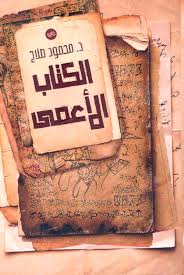
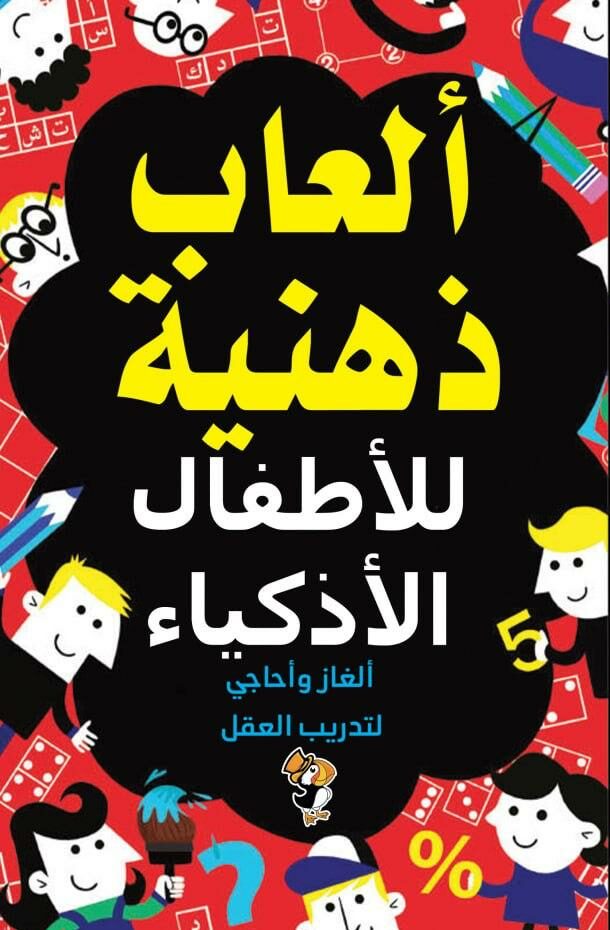
Summary of the book: In Brief, You Are My Dream. Written by: Maryam Bint Al-Aali I wrote in this book a lot of different feelings and topics. Between its lines there are feelings that go back to my heart, my feelings, and my general life. I wrote about love in the sense of my private heart, and about happiness, sadness, separation, and many feelings that carry praise for one person and reproach for others. My words here do not constitute one year or a period. Short of my life, but here is a group of years that began when my pen began to draw its first letters and continues to this day. There are also those feelings that do not belong to me, but rather to those around me. When they were happy, I had to write about their joy, and while they were sad and in pain, I had to speak instead of their hearts and share their sorrows with them through those pulsating letters. Every time I listen to what... They feel it from experiences in this life full of different stories. I used to quote a summary from it and spin it with my fingertips to form thoughts that tell what is inside them. We all always want to explain our different feelings, but that is difficult for everyone, as we are not equal. Thus, my pen was my heart with its feelings and experiences, and all of their hearts with all those things that they experienced. Share with me the details. I have talked about many things in the pages of my book, and yet my heart still longs to live more and sees that what I have written so far is nothing more than the letters of a few years that passed during my youth and youth. I talked a lot in my book about feelings of love, and I am fully aware that many will not understand them well. They will like the beauty of the letters and the harmony of the words, but only those who have lived the same feeling and know that love is not the love that exists between two genders or two people, but rather love is to love ourselves, so we love those who love us. We love life around us and thus we see people in a completely different light. As for separation, pain, sadness, treachery, and betrayal, I know that everyone will understand it and delusively think that it touches on the pain and pain that went through his heart, not because he actually felt it, but pain and sadness are somewhat similar in reactions and the way they are expressed by the majority, even though we live in different things. It has to do with what others experience, as separation is different people, times, ages, situations, and ways that are not as similar as they think. As for the beauty, happiness, and spontaneous feelings in our lives, they are what give us hope, ambition, and strength to remain steadfast in this life. In the last topics of my book, I spoke a lot and expressed my love for my friends. They are always the most important and have priority. Only them remain with us. No one shares our sorrows and joys except them. No one understands our strange behavior and different feelings except true friends who are absolutely indispensable.
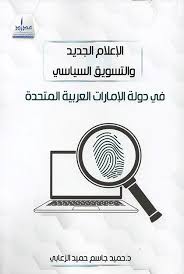
New media and political marketing in the United Arab Emirates
50 AED
50 AED
0 Reviews0 sold
Product Details :
New media and political marketing:
This book is inspired by the UAE's journey, its development experience, and the visions of the UAE's wise leadership and its honorable people in the process of political empowerment that began in 2006 to expand the base of participation in parliamentary elections to reach citizens' participation in the political process.
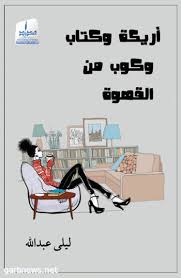
A sofa, a book, and a cup of coffee... Laila Abdullah
In this book you will find the reader. Find books. But you will not find the author, as he is also an anxious reader who fluctuates between good intentions and bad intentions towards books.
It is also about an avid reader with a magnifying glass in her hand, who follows her isolated writers like her own soul and tries to penetrate the folds of their sad stories and heroes. The lost and the lost. You flounder with them and with them in order to remain a fugitive forever from a globe whose terrain is distorted!
A reader dreams of speaking Arabic with Haruki Murakami. Orhan Pamuk. Azar Nafisi. Saramago. Chimamanda Ngozi. Jhumpa Lahiri. Madhur Jaffrey. Dai Siji. Svetlana Alexievich. Yannick Heinel. Kim Ecklin. And the unknown woman who exposed the face of war in Berlin. Ibn Sina on his way to Isfahan. Widow women in Mariquita estate. The iconic storyteller Maria Margarita, whose voice became muted in the age of television. Vermin, a vagrant on the streets of Caracas, Julián. The reader who fosters innovation by Carlos Lescano. Zoran Jefkovic Libraries and the library inhabited by shoes. Masterpiece hunter Julian Barnes. The little girl, Liesel, who shattered the ruins of the world with her throat when she stole a banned book...and that seller who started selling books during wartime!





-1718248965.jpeg)