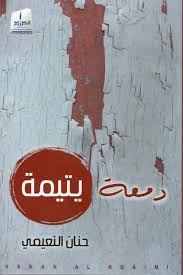
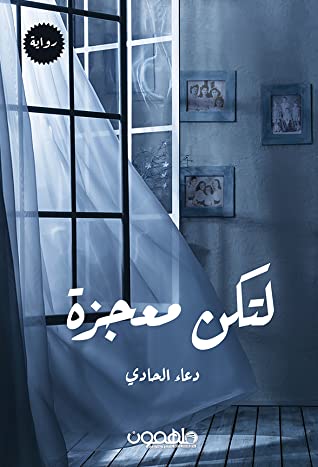
Book cover (back):
At your disposal are different messages from life for everyone who believed in himself, wished and pursued his dreams, made himself a different person, and despite the challenges and obstacles of life that he faced, he only insisted on achieving the best and did not create a title for the impossible. For everyone with good intentions, sow goodness. And leaving a good impact, and finally for everyone who has lived through the acceleration of life’s changes, and still maintains within him that good seed, and the good qualities that have not died over time. Yes, you are the only one who was born to be different, to leave a different mark, and to make change.
What is war without the shouts of demonstrators, the roar of warplanes, and the screams of detainees in torture rooms? How do beings and actions appear without their sounds? What is the need for a doorbell? What is the sound of food cooked in a pot? How can a deaf child-young person digest such a silent, muffled world?
These are some of the questions raised by the book “The Deaf Aspirant,” which describes the image of the world after deleting its audio file, and tells the diaries of a father who raised his deaf son alone.
Relying on various narrative methods, Reber Youssef sheds light on the complex aspects of the fatherhood-childhood duality, including complex feelings, such as: love, hate, fear, and the desire to be free from the burden of this bond between the two, or to defend and strengthen it. It is a book about a father who voluntarily abandons the sounds of the world if they do not reach his son’s ears, and about a son who rediscovers himself to bury his deafness and fear forever.
Like a serene scene trapped inside a crystal ball in an eternal moment of peace, the Syrian city of Homs appeared, calm and full of secret dreams.
It is crossed by a curious river that tries to rebel a little and break the dull, monotonous crystal, and it is called the Orontes.
Then the war came and the city was fragmented, and the butterflies flew with their dreams into the flames.
Every day of war passes, bringing with it dozens of stories worth telling. This novel takes us around the city, to learn more stories about it and its residents, a city that has become full of stories.
The story of a final basil seedling where Father France parked his old bike before he was killed. And the stories of library owners that were stolen.
A kiss from a friend that he printed on the glasses of (Wael Qastoun) after he wiped the bloody dirt from them
The mystery of the lover who covered the walls of the gloomy cemetery in Bouha (Lulu, I love you).
A sad hand under the rubble of a house that no longer exists.
There is no fair narrative in times of war, but the language remains an apology to the city
وتروي السلسلة مجموعة من القصص الواقعية على لسان طبيب نفسي يعمل في إحدى المستشفيات تتعلق بمرضاه المختلفة حالاتهم، لاسيما الفتيات منهم، ساردا أغرب الحكايات التي يبدو بعضها أقرب إلى الجنون من المنطق!
The period of writing these stories extended for many years, extending from 1987 with the story “The Smell” to 2013 with the story “May God prolong his life.” They were all written under the weight of heavy tyranny, which made our thinking almost paralyzed and made us free executioners and observers of ourselves. It is “natural” for most of them to be apologized for publishing, as happened with the story “The Smell” which was either apologized for publishing or was ignored by all the newspapers to which it was sent at that time, as well as It happened with several other stories.
All the stories are united by a single concern and a similar atmosphere. Their events take place in the imperial atmosphere, with the meaning of the emperor’s word. The reader does not need effort or help from anyone in deciphering it. They speak of a general concern that everyone feels the burden of, without exception. Some were vocal about it at the times when the stories were written. Some people kept it quiet, but despite the fact that the majority were forced to remain silent, and those who opened their mouths paid a heavy price for not remaining silent, for everyone it was a heavy burden that a person could not get used to, or at the very least hope that it would go away.
These stories were among the forms of expression of that general pain. Some of them were destined to come out to the screen - in some short periods of relief - to reach the audience, even in different formulations from the stories in the book, and some of them remained imprisoned until circumstances allowed them to appear on the pages of this book in your hands.