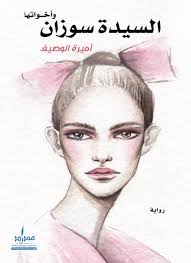
The novel “Mrs. Susan and Her Sisters” is a social novel that tells the stories of three women brought together by a home for the elderly. The novel reveals the secret of the mystery of the three women.. and their complete reluctance to talk to the others in the “She” Home for the Elderly.. and the secret of their confinement together in one room in the home, which was called the room. : The three ladies...
The heroes of the novel are Mrs. Suzan, Mrs. Laila, and Mrs. Maram.
The novel tells the story of each of the three women separately... and how the situation led her to seclude herself in the "Hiya" home for elderly women...
The fictional work deals with three stories of three female role models who were hurt by society’s injustice at times, and whose hearts were bloodied by human games at other times.
The novel tells the story of Mrs. “Susan”... the woman who suddenly lost her sight and her life changed completely, and it shows the aspects of her life and the drama of her story.
The story of Mrs. Maram, whose father refused to let her marry all her life, and the most important aspects of her life and personality
And the story of Mrs. Laila
Laila's story is an example of a rarely recurring condition that occurs in 1% of society and has not been highlighted in literature previously. It is about the suffering of a female born without a uterus and what she is exposed to in our Eastern society and what she faces.
وسائل وأساليب عملية لتقوية التركيز العقلي. ركز على ما تُحبه وتراه جديراً باستثمار طاقاتك وأوقاتك في إنجازه. اسمح للآخرين بمساعدتك في الأمور الثانوية وتلك المهام










-1718340504.jpeg)