This book collects selected texts by twenty-one male and female poets from different cultural and social backgrounds, regardless of the reasons and ways they left Syria, even though most of them left after the outbreak of the revolution in early 2011. Today they live in various countries in the Arab world and outside it, and many of them live in Germany especially.
These selections are an attempt to shed light on the Syrian poetic experience emerging in exile, which carries within it the diversity of poets’ styles, experiences, opinions and ages, and presents a picture of the reality of Syrian poetry abroad, without evaluating it, but rather as a witness to the changes occurring in poetry and parallel to the changes in the earth. Although the features of this experience have not yet crystallized, it demonstrates effective attempts to take Syrian poetry to other directions that will inevitably lead to new places in Syrian writing.
On a deep wound that requires ages to heal, the novelist, Kim Ecklin, presses to open a biography of genocide, and travels from the farthest west to the farthest east, to tell part of the tragedy of an Asian country, recording part of the testimonies of the living survivors, and those who wrote small signs, bearing two words. “We will not forget,” and they hung it on tree trunks, and it was also motivated by the story of a woman she met in the market of the Cambodian capital, Phnom Penh, who lost all of her family members at that time, and when the Canadian author asked her: “Can I help?” What can I do? Her answer was: “Nothing, I just wanted you to know.”
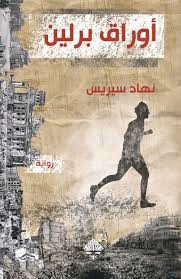
Moving between the ancient markets of Aleppo and the bars of Berlin, the hero of the novel “Berlin Papers” rediscovers himself time after time, opens his hands to various experiences and new people, and listens closely waiting for someone to tell him a new story so that he can write it down. We see him escaping from a failed love story through exploration. The history of Germany in the two world wars: the first and the second, to get lost in memories, pictures, and maps, between western and eastern Aleppo and between western and eastern Berlin, and to flip through the paintings of the German painter Otto Dix, which embodied the ugliness of the First World War; In order to forget the images of destruction and killing that were preserved in his memory.
In his novel, Nihad Siris moves lightly between places, people, and events, within one flowing text, and his work hides behind a documentary character that explores the history of wars and city architecture, and then surprises the reader with an unexpected dose of imagination about marvels and supernatural powers that help people overcome the scourges of war by escaping towards... New beginnings.
Can a person escape from a war in his country by diving into the history of another war that took place in another time and place?
تجمع رواية "ثمانون عاماً في انتظار الموت"، بين الإثارة والغموض، ونختبر فيها، مشاعر وانفعالات متباينة، . ذلك بعد أن تبدأ مباشرة وبلا مقدمات، فتقحمنا فورا في أحداثها ضمن مدينة الرياض، عارضة قصة "أحمد"، الذي يُعاني من خلل في هرمونات النمو، جعلته عالقاً في جسد شاب يافع لا تبدو عليه آثار السنين.