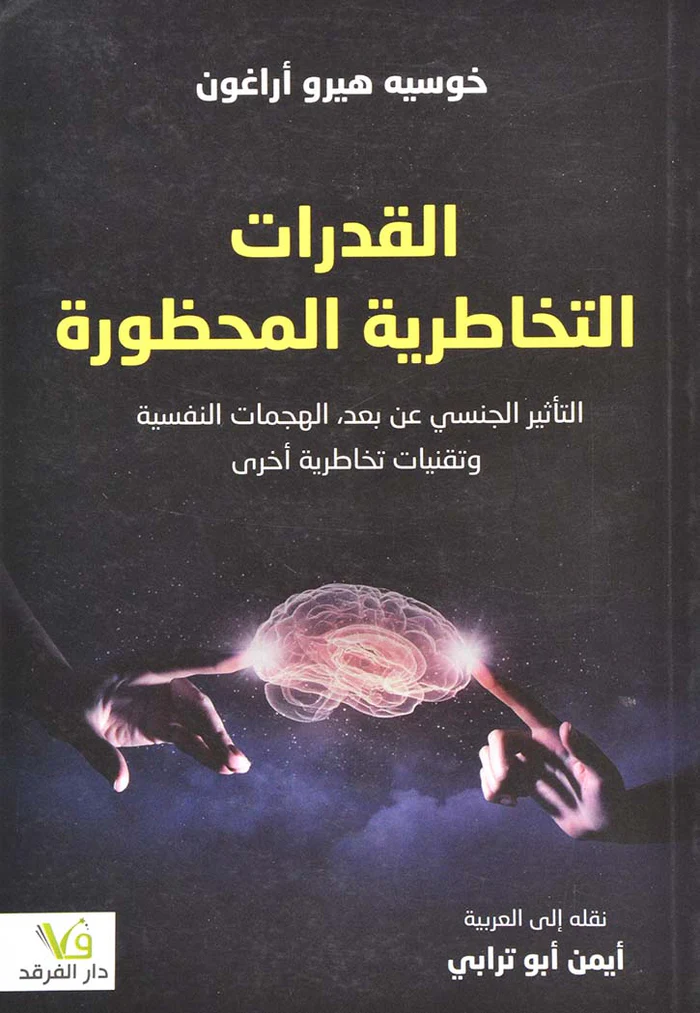
يُبرِز لنا الكاتبُ في هذا الكتاب أهميةَ الدور المحوري الذي يلعبه العقل في إدراكِ الموجوداتِ التي يُعنَى بها مبحث الأنطولوجيا «مبحث الوجود» باعتباره أحد المباحث ...
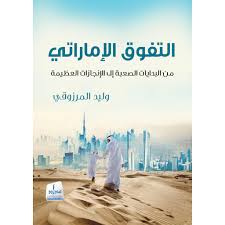
Emirati excellence... from difficult beginnings to great success
80 AED
80 AED
0 Reviews0 sold
Product Details :
About the book (Emirati Excellence) This book tells the story of the superiority of the United Arab Emirates, the country that emerged from a British mandate in the early seventies. Most of its people could not read and write, the houses were huts or mud houses, and there were no streets, bridges, or even a single university! Through an ambitious vision and long-term plan, this country was able to transform from a marginalized and weak country into an advanced country scientifically, economically and militarily, and to raise the average per capita income per year from $350 at the beginning of the union to more than $50,000, making it first in the Arab world and fourth in the world according to estimates by the International Monetary Fund. For the year 2013 AD. It is wrong to attribute the success of the UAE experience to the release of oil alone, as there are many countries that have enormous natural resources but have not progressed! The reason is its poor management. Through successful management, countries advance and achieve miracles, and not only with natural resources. This book reviews the reasons for excellence and the transition from difficult beginnings to great achievements. Walid Al Marzouki.