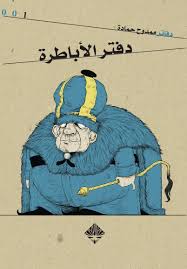
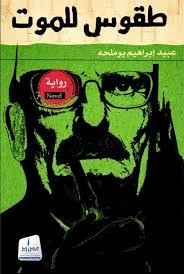
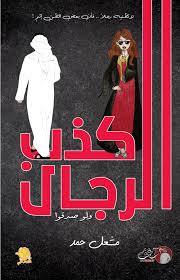
The period of writing these stories extended for many years, extending from 1987 with the story “The Smell” to 2013 with the story “May God prolong his life.” They were all written under the weight of heavy tyranny, which made our thinking almost paralyzed and made us free executioners and observers of ourselves. It is “natural” for most of them to be apologized for publishing, as happened with the story “The Smell” which was either apologized for publishing or was ignored by all the newspapers to which it was sent at that time, as well as It happened with several other stories.
All the stories are united by a single concern and a similar atmosphere. Their events take place in the imperial atmosphere, with the meaning of the emperor’s word. The reader does not need effort or help from anyone in deciphering it. They speak of a general concern that everyone feels the burden of, without exception. Some were vocal about it at the times when the stories were written. Some people kept it quiet, but despite the fact that the majority were forced to remain silent, and those who opened their mouths paid a heavy price for not remaining silent, for everyone it was a heavy burden that a person could not get used to, or at the very least hope that it would go away.
These stories were among the forms of expression of that general pain. Some of them were destined to come out to the screen - in some short periods of relief - to reach the audience, even in different formulations from the stories in the book, and some of them remained imprisoned until circumstances allowed them to appear on the pages of this book in your hands.
I went back to my story to confirm the truth of what happened, whether it was fantasies or a conflict within myself. For your information, I wrote what I did so that no one would come and say: How did the novelist write that when he was not on the computer and went to swallow headache pills? In general, what I do is not important because I am just a novelist.
The events of the novel are the most important...
Writer ...
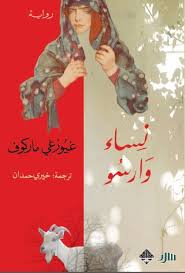
As soon as Pavel, at the head of a geological expedition, arrives at “Devil’s Hill,” the old shepherd living there warns him that he must leave the hill within a month, before he ends up committing suicide on the branch of an oak tree, and the fate of his mission becomes the same as the fate of the previous eight missions. However, the enthusiastic young man insists on making the mission a success, even though the members of his mission are fleeing down the hill one after the other.
Little by little, the two get closer: the young man who studied in the Polish capital, Warsaw, and the old man who knows the hill’s hidden secrets, and their evenings become endless darkness, during which “Pavel” tells the shepherd about his love affairs, while the latter listens in amazement, and his heart burns with love for the nun Maria, the last of the young man’s lovers. .
In “The Women of Warsaw,” Georgi Markov writes about two different worlds that border on contradiction, leaving the oak tree to chart the path to the end...
حكايا سعودي في أوروبا هو كتاب من تأليف الكاتب والرحالة السعودي عبد الله الجمعة وصدر في فبراير 2013. يندرج الكتاب ضمن صنف أدب الرحلات والسيرة الذاتية، حيث يروي فيه المؤلف قصص رحلاته ومغامراته في دول إيطاليا واليونان والمملكة المتحدة