Searching for a wife:
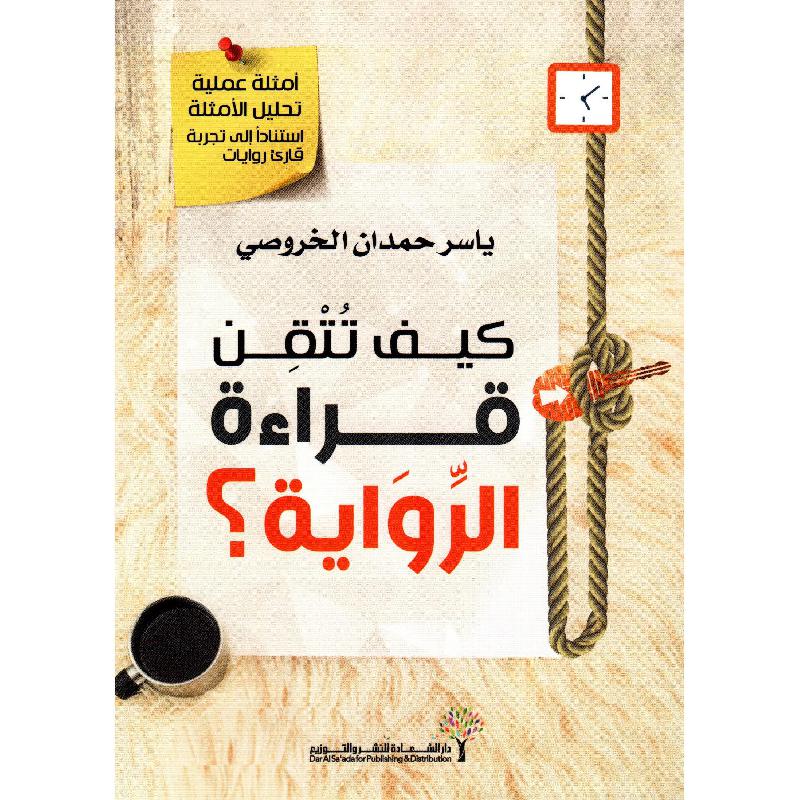
Hello Al-Saa.. I would like to introduce myself to you.. I am Hamid bin Ali, (I know what you say and yes) and there is no need to tell you my last name (I know it is important).. I am now thirty years old and turning thirty-one, graduated from the American University and specialized in sciences. Politics and I also studied information technology.. You say where politics is about information technology.. But I come to love both specializations?.. Two specializations.. Not good, but I have the opportunity to work in both specializations.. I am a self-made person and I do not have youthful affairs or useless evening parties.. I pray my obligatory prayers, praise be to God.. I fast voluntarily on a day, may God help me.. and I like to read the Book of God on a daily basis after the dawn prayer.. I am the second child in the family, and next to me are my three sisters, Noura, Hamda, and Salama.. I was looking for a wife according to my personal specifications, and I told my mother, of course. And the search journey began (my mother's Google was working)... Let me tell you the stories I encountered during this journey..
Are you ready? (Oh God, we put our trust in God..)
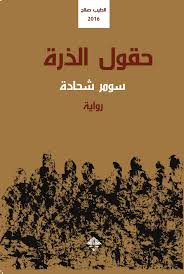
The country that only asks for its children to die is a dead country. The children who knew nothing but it, and would not think of leaving it, are hunting them down individually, so that devastation will be a clear future, and so that the thought of surviving the people’s experience of major battles for the sake of freedom, justice and change, is thinking. Very simple.
* * *
Time involves a new time emerging from its womb, and lessons are shed on its path
The ancient stories and the stories that were an example for an entire generation, and we who witnessed the violent moment of crossing were the bulwark of the old time and the living scepter in the hand of the new time, and for this reason we had to be divided and filled with deep cracks. Before we triumph over a part of us, and what died within us settles at the bottom of the painful times whose madness we witnessed.
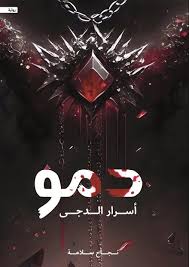
يقرر شاب عيش حياة هادئة والتخلي عن ماضيه لكن حين يتم قتل أخته الوحيدة يقرر السعي للإنتقام فيعود للتمسك بماضيه الدموي… في ذلك الوقت تحل جريمة بشعة بحق فتيات .
عن ماذا تتكلم رواية الدوائر الخمس؟
الدوائر الخمس رواية فانتازيا تدور احداث الرواية في نهاية الثمانيات من القرن العشرين حول خاتمٍ ما! يتناقل بين العديد من الاشخاص ليقلب حياتهم رأساً على عقب مروراً بفترات زمنية مختلفة وفي دول متعددة.