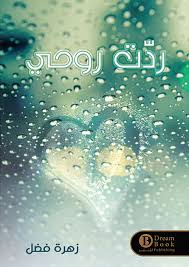
Merciful heart:
Neutral texts, for loved ones, and as you read beyond all of this, contemplate yourself, contemplate what is around you, contemplate those you love, even from afar.
For everyone who has never known the path except through love... and yet they suffer
In the hope of obtaining a blessing for which he thanks God and calls it “the Most Merciful of the Heart.”
It is true that the joke has its own literature and rules in funny literature, but it is also true that it has deep roots in the lives of peoples that determine its general framework. By virtue of its targeting of a people, a sect of it, or an unknown or known person within it, it takes its general and current form, crystallized from “humorous” types. “It suits the era in which it was found, and it can be said: The general context of what is funny and what makes us sad does not change, but what changes is the mechanism of receiving them.
Al-Homsi, as one of the prominent figures in contemporary humorous literature, was targeted from the beginning and labeled a fool. Indeed, Ibn al-Jawzi classified him among “the absolute fools and fools.” Accordingly, the jokes were focused on the people of Homs later. For your information, what marked the people of Homs was created by important historical events that the city experienced.
Homs has fought a humorous ideological war throughout its history. This work examines the roots of the Homs joke without entering into an analysis of the jokes told about the people of Homs, except what is necessary to point out.
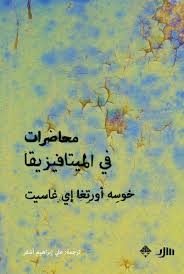
You do not have to be a student of philosophy or metaphysics, nor be interested in them, to read this book. The famous Spanish philosopher simply and deeply delve into a series of ideas closely related to our daily lives, and from there he sets out to explain metaphysics and our need or lack thereof. “For metaphysics itself is nothing but what man does. What you and I do in our lives
In conclusion, this life is something prior, and it comes before everything that metaphysics will reveal to us.
In these lectures, which he delivered to his students in a regular semester, every reader will find an introduction to understanding the world and understanding himself, and everyone interested in philosophy will find a rich engagement with two main trends in the history of philosophy: realism and idealism.
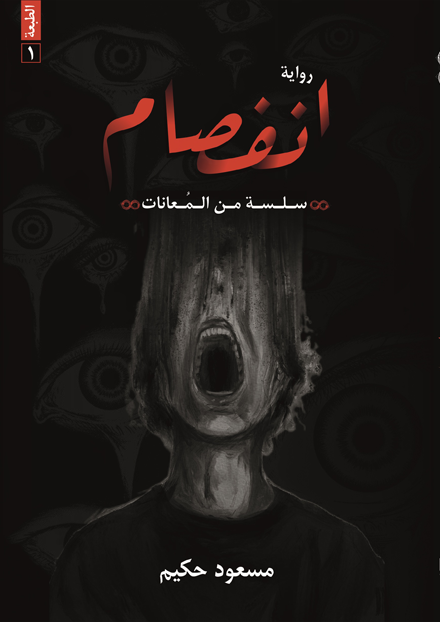
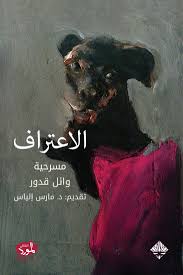
Qaddour’s text takes inspiration from the idea of confession from the text “Death and the Virgin” by the Chilean writer Ariel Dorfman. Without that, the text begins to build its purely Syrian story, which revolves around an old relationship that comes back to life between an officer who was expelled by the ruling regime in peacetime and brought back in war, and “Jalal,” who was tortured in one of the days of peace. Syrian security detention centers, and among a former detainee who was tortured under the hands of the former. The two meet when their destinies intertwine through Jalal's nephew, the theater director concerned with directing the play "Death and the Virgin" in which Akram plays the role of the tortured, while the character of the tortured girl is played by "Haya, Soha Nader", Omar's lover. In the orbit of these relationships, Radwan, Hamza Hamada, the officer’s bodyguard, gets lost without knowing the horrors he will face after leaving the officer’s service to participate in the massacre of the twenty-first century.