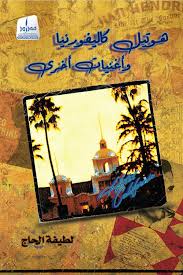
Hotel California and other songs
A collection of texts written in three cities during 2018
Madrid/Istanbul/Sandiego
In it, the writer tells about the scenes she experienced in the three cities, the feelings she experienced, and the nostalgia she felt while on those short trips.
In Madrid, she had the pleasure of learning about Spanish civilization and some Islamic monuments. In Istanbul, she enjoyed sitting in cafes and simple alleys, and in Sandiego, she experienced the diversity of scenes, foods, and music.
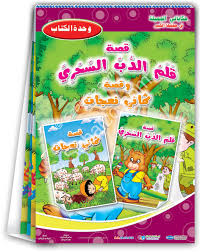
My beautiful stories:
It is a collection of diverse purposeful stories, some of which are stories embodied by animal characters beloved by children, and others whose heroes are human characters.
In every story there is an educational and moral meaning and value that I tried to convey to the reader. While writing it, she avoided using difficult vocabulary and used simple words that make it easier for the child to understand the events. She also avoided many details that might distract the child from the basic meaning and focused only on the main character until the child understood the idea and goal of the story, which contains noble values such as contentment with God’s will and destiny. Kindness to animals, seeking help from one’s family, sacrifice, loving others and helping them.
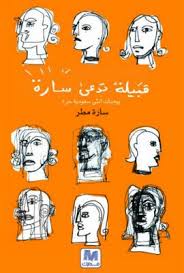
ليس من قبيل المصادفة أن يردَف عنوان رواية سارة مطر قبيلة تدعى سارة، بـ يوميات أنثى سعودية حرة. الرواية يوميات كاتبة تسمي نفسها قبيلة. والرسوم على غلاف الكتاب تدل على أن للمؤلفة وجوهاً مختلفة، لذا هي قبيلةٌ من النساء في امرأة واحدة. القبيلة هي سارة، وسارة هي القبيلة
Trip to Japan:
A book in which Emirati writer Jawaher Al Muhairi interviews the creative and well-known personality in the United Arab Emirates (Mansour Al-Japanese), in which he talks about the differences between the Japanese and Emirati people and the common customs and traditions. It also embodies life in Japan, including the joy of living and funny anecdotes.