Under the roof of a modest hostel in a poor neighborhood in the Chilean capital, a strange group of guests meets, including workers, trade unionists, students, traffic police, and performance artists. Let them all witness the last days of the rule of the Popular Union headed by Salvador Allende, before the bloody coup led by General Pinochet took place and changed the history of Chile forever. Thus, this hostel turns into something similar to an operations room through which some Chilean leftists try to protect the socialist government and stand up to fascism. And among all of them, Arturo, the braggart and virginal football player, coming from the south to the capital, and burdened with dreams of fame and unsatisfied desires, tries to discover himself and determine his position on everything that is happening around him.
“I Dreamed That the Snow Was Burning” is the first novel by Chilean writer Antonio Scarmeta, and one of his most important works. In it, the features of a special, diverse style are established in terms of rhythms and narrative techniques, in which imagination blends with reality, and in which sarcastic humor alleviates the harshness of dramatic events. The book is a living document of the dialogues, conflicts, and popular mood that prevailed in Chile at the most pivotal moments in its history.
عن ماذا يتحدث كتاب جحيم العابرين؟
كتاب جحيم العابرين يبدأ برواية قصة شاب تعطلت سيارته على هذا الطريق بسبب نقصان الوقود، وفي أثناء انتظاره تمر عليه فتاة يطلب منها أن تقله إلى أقرب طلمبة وقود وهناك تحدث لك الكثير من الأحداث المرعبة ويكتشف الشاب في النهاية أن تلك الفتاة هي جحيم العابرين والتي تقتل كل من يأتي بهذا الشارع.
Brief:
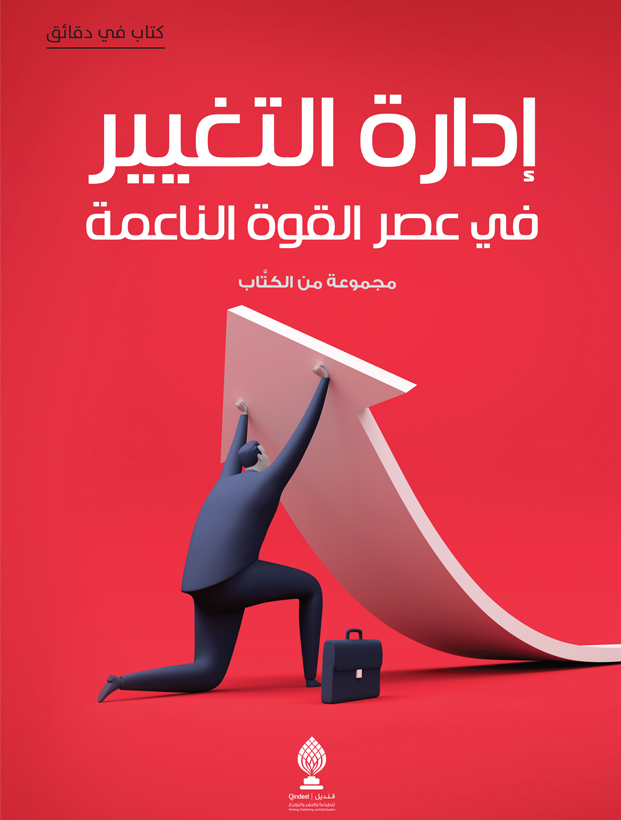
The book defines the concept of anticipating the future, sheds light on its benefits, and clarifies to the reader the confusion that usually occurs between foresight and concepts such as the knowledge of the unseen, and the concepts of s Other strategies, such as strategic planning and risk management.
The book discusses the experience of the United Arab Emirates in adopting the concept of foresight, represented by the “Emirates Foresight” project, as a living example of including the concept Foresight in the government excellence system.
And the book talks about the movement and the directions that are drawn from the recipients of the future. No, in addition to the purchasing of some of the important and inferiority and the useful in the process of eliminating the process of anticipation Become and others; Understanding these tools leads to knowing the repercussions resulting from the drivers and trends, and points to the challenges that will result from them.
In appreciation of the principle of finding solutions, the book addresses the importance of the main role that innovation plays in facing future challenges. Also, as a matter of importance, the book addresses the role of data and knowledge in implementing the foresight project, in addition to the impact of spreading the culture of foresight and how Disseminating it among institutions and individuals.
The book contains other topics related to the concept of foresight, which would improve the process and practices of foresight. To achieve happiness and well-being, and to serve societies; Such as the main elements of building future capabilities, and the role that the culture of foresight plays in refining the positive personality, qualities, capabilities, and advantages It represents the values and morals of the individual who works to anticipate the future. The need to focus on the small changes and differences that occur in present societies was also the focus of discussion in this book. The enlargement or continuity of some of them may negatively affect the future of societies and their individuals.
At the beginning of the book, dear reader, I present to you some future predictions and expectations in vital sectors of societies, as an example of the stage The last part of the process of anticipating its results and final outcome.