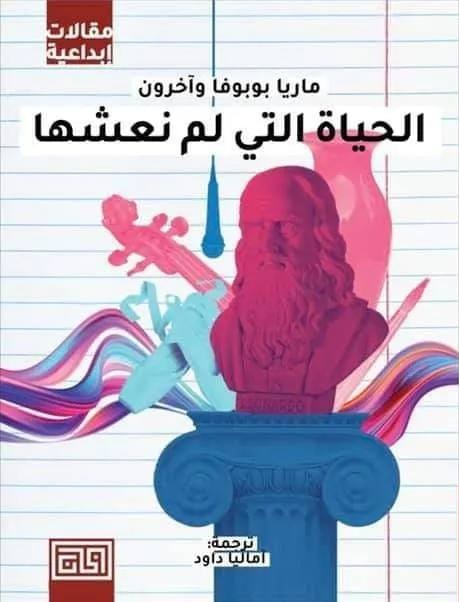
An immortal masterpiece, the largest and greatest literary work in the history of Italian literature, one of the hundred greatest books in human history, and the most printed, published and translated book after the holy heavenly books in the world... it is the “Divine Comedy.” A unique symbolic journey through otherworldly worlds undertaken by the greatest writers of the centuries Dante Alighieri, a symbol of sinful life, leads him to "Hell" and "Purgatory", then "Beatrice", a symbol of faith, leads him towards "Paradise"... It is a long and turbulent journey towards knowledge and faith, filled with symbols that have given it ambiguity, complexity, and brilliance in the eyes of readers, critics, and interpreters. Transferring all of humanity from a state of misery and misery to a state of happiness and contentment is one of the goals of our book, as stated by its author, by diving into the depths of history, recounting rich life experiences, and classifying people according to their deeds in their world, between hell, purgatory, and paradise, and through what the work contains. Philosophy, wisdom, morals and emotion. The strength of the structure, the strength of the style, and the interconnectedness of meanings are features that uniquely characterize this epic.
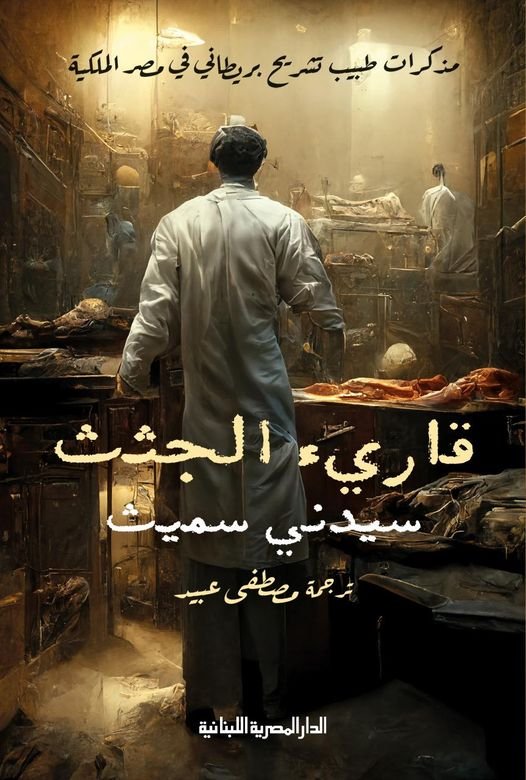
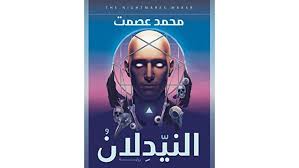
. لسنا هنا لنتاجر بأحلام بأحلامك لكن لدينا أسوأ كوابيسك. أخبرني يا صديقي هل سمعت عن الوحش الذي يلعب الغميضة مع أطفال تلك القرية؟ هل علمت بشأن جريمة القتل الغامضة التي حدثت في أحد الفنادق النائية؟
Brain Giggles Wooden Toys for Toddlers and Kids, Educational Toys (0-9 No. Train) For Wooden Toys For kids, Educational Toys 3 Years, Kids Toys For Boys
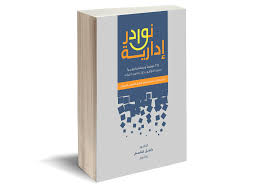
An overview of the book The Road to Institutional Innovation
In a time when competition between commercial companies in various parts of the world has intensified and the speed of changes has increased dramatically as products are renewed very quickly, you will hardly buy a modern electronic device or a car until you hear of another product on the market that has more specifications or higher quality. To the point that many people have become an annual habit of changing their smartphones because the producing companies do not stop making changes and developments in the products. The matter is not limited to products only, as well as services. Every now and then we hear of a new service provided by organization X and another provided by organization Y, and so on. Until the customer sat at home and received all the products and services that came to his mind from all over the world. This acceleration emphasizes the necessity of institutions adopting innovation, whether it is innovation in products, services, or processes, in order to continue making profits and not declare their loss or bankruptcy. Innovation is what enables an organization to remain competitive and provide innovative new products and services that attract customers and achieve profits.
Many people use the word innovation on a daily basis, many managers demand innovation from their employees, and many new entrepreneurs aim to achieve innovation. But if you stop someone and ask him about innovation, its dimensions, and the factors affecting it, you will often get a simple answer that reflects a superficial understanding of innovation, or a wrong understanding of innovation and a lack of awareness of its various dimensions. In this book, we will gently navigate institutional innovation so that the reader can understand institutional innovation in a deep way that enables him to apply it, whether in the organization in which he works or in his own projects. This book combines scientific and literary style. Many parts of the book are based on scientific studies and numbers, and many stories and examples are used to illustrate different topics. The beginning of the book explains innovation and its importance to institutions and answers a key question: Why do we innovate? Then we move on to understanding the innovation process from its beginning to obtaining the final product, in addition to understanding the types of innovation and its motivations. After that, we move to a deep understanding of the main factors influencing innovation, which are leadership, change management, institutional resources, and the work environment. The book concludes by explaining the administrative and personal obstacles to innovation.
Author: Dr. Hassan Al Bishr












-1725458334.jpg)
 For Wooden Toys For kids, Educational Toys 3 Years, Kids Toys For Boys/Brain Giggles Wooden Toys for Toddlers and Kids, Educational Toys (0-9 No. Train) For Wooden Toys For kids,Educational Toys 3 Years, Kids Toys For Boys-1718345808.jpg)

-1718336022.jpeg)