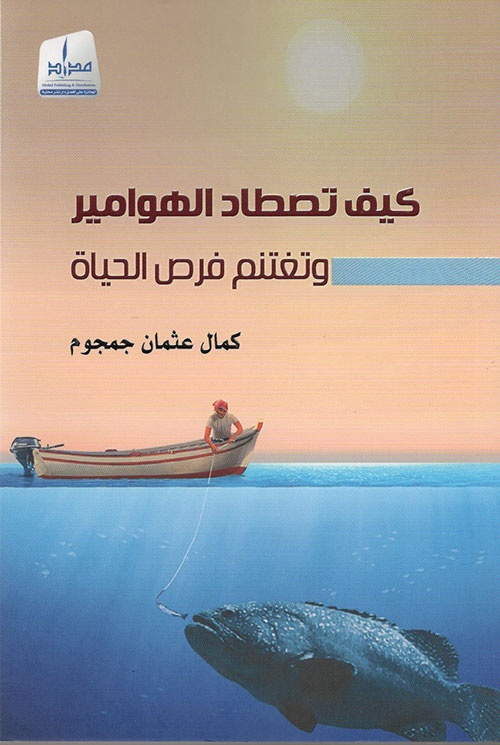
? How do you catch hawks...and seize life's opportunities
70 AED
70 AED
0 Reviews0 sold
Product Details :
How to catch hummers: It is the first publication by the Saudi businessman, “Engineer Kamal Othman Salah Jamjoom.” The book is directed to young people, entrepreneurs, and everyone who has an ambition to venture into self-employment. The writer aims to encourage, educate, and raise awareness of the sons and daughters of his country, the Saudis, as well as the Gulf, and all Arab youth in an Arabic way. The book is a narration of many chapters from the writer’s personal life, and a group of chapters centered around many matters related to self-development, human development, and raising one’s resolve to engage in experiences worthy of sacrifice, striving, and perseverance. It shows the positive effects of disciplined behavior in creating the future, improving the quality of a decent life, and creating great successes for the individual and society. . The book includes many topics, and it is specific to challenges, ways of thinking, behaving, and judging things. It is a personal human development book. The writer has listed some realistic challenges inspired by his personal life and affecting the lives of successful people in order to motivate the reader to take lessons and lessons from them and make them a role model for his life. The book is a serious attempt loaded with good intentions and great passion to participate in helping young people, educating them, and raising their level of awareness and sense of responsibility towards building their future with hard work, determination, knowledge, and work.
ولستُ أول مَن اختار المتاعبَ في حارتنا، كان بوُسع جبل أن يبقى في وظيفته عند الناظر، وكان بوُسع رفاعة أن يصير نجارَ الحارة الأول، وكان في وُسع قاسم أن يهنأ بقمر وأملاكها، وأن يعيش عيشةَ الأعيان، ولكنهم اختاروا الطريقَ الآخَر.»
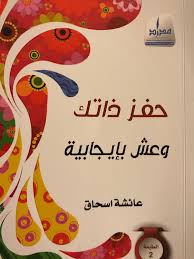
This book is a summary of my experience in life and work, and it focuses on self-development through various motivational phrases that guide a person to understand himself and his ambitions and deal in a positive spirit with himself and his surroundings, through the following life areas: * Beliefs * Self * Positivity * Success and achievement * the smile * happiness * Optimism * Mind, thought and wisdom * Planning and leadership * Trust and appreciation * Goodness, giving and tolerance * life * the job







-1718338263.jpeg)