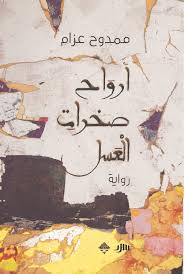
A unique friendship brought together Abed, Hamed, and Khaled, but the war tampered with this friendship and shattered it.
The narrator recalls the life history of these three, using those close to them, to fill in the gaps in the story, and to discover the secret of the mysterious prophecy made by Abed, in which he said that he would die near the honey rocks after six years and two months.
In poetic language, Mamdouh Azzam writes about death, friendship, and love, and about the bitterness of grudges that grow and grow in the mud of vile wars. And about war and the impact it leaves behind on people's souls.
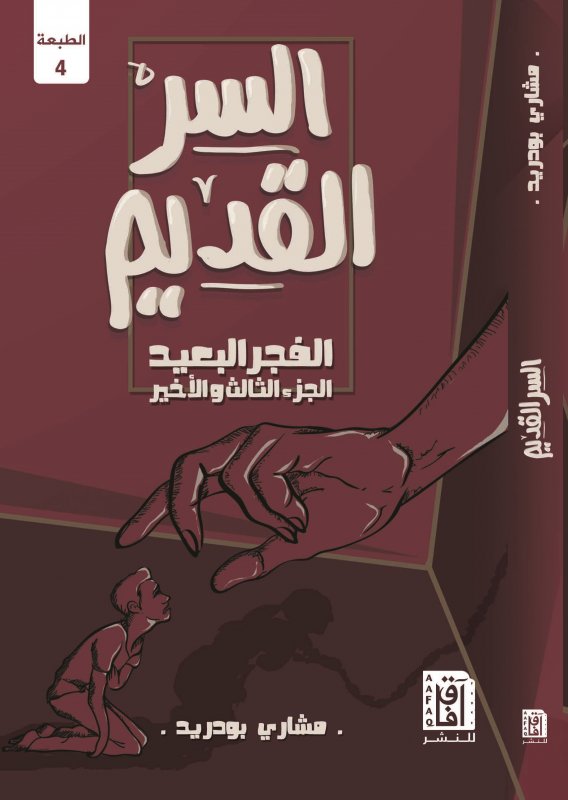
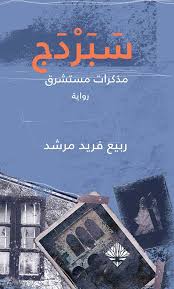
Hiding behind the identity of a mysterious orientalist, a young American comes to Jabal al-Arab, moves between the villages of Suwayda, and then continues his journey to Latakia. To complete the threads of a miraculous story he heard and became a party to, let us read it partly from the pages of the orientalist’s memoirs, and hear it partly from the tongues of people who lived it.
The Jabal al-Arab region continues to generate stories that tell of the harshness of life, social injustice, and the tyranny of customs and traditions that strangle the fates of heroes. But just as there are “pashas” and “maraba’un” in the mountain, there are “pashas” and “peasants” in other places. With the conflict between all of these people, falling in love becomes an adventure with unknown consequences.
In his novel, Rabih Murshid delves deeply into the oral heritage of his environment, employing its myths, songs, and poems arranged within graceful and interesting narrative templates, to tell a love story between two people riding on horseback and trying to conquer fear by singing.