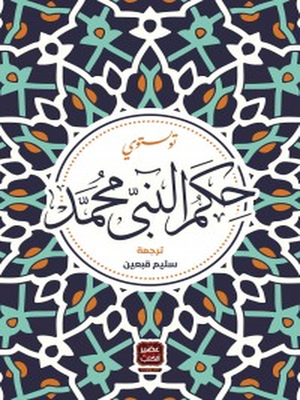
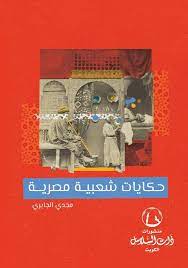
The village has always been a symbol of simplicity in its system of life and in the psychological makeup of the villagers, who rarely suffer from what is called “phobia” or “mania,” and accept everything that happens to them as normal, no matter how harsh.
This was in those eras when crops fed those who worked the land and provided them with a surplus for sale that provided them with an important part of their living expenses. However, after agriculture became a loss-making business, and sometimes a heavy burden on the farmer that did not provide its owner with the minimum necessities of life, the village mixed with the city due to the migration caused by various crises, which generated sharp paradoxes that were nullified by that person who was imposed on him in the city a new way of life. At the same time, his customs, traditions, and connections to the village remained strong, which created a duality in him that made him a rich and diverse personality. This friction that occurred through migrations, as well as due to the great technological development that occurred, also transferred part of the city with its relationships and way of life to the village, which constituted a shock to a part of the villagers whose thinking remained based on the old pattern of rural relations.
All of this constituted, and continues to constitute, an important source of literature and drama. In this book there are a number of stories whose events take place in the village of Umm al-Tanafas, a name taken to be a symbol of the village in all works that touch upon the village. This will be the first village notebook and will be followed in the future by other notebooks, because the village’s stories are inexhaustible.
Khanir and Katara:
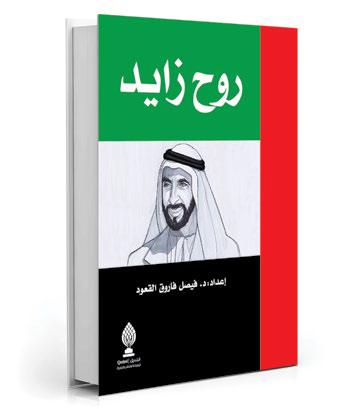
The book Khanir and Katara from the Emirates is considered a live and live broadcast in which it displays the manual techniques and technical skills for crafting and manufacturing the most famous and valuable daggers and swords in the Emirates, as it displays the manual techniques and decorative arts that forged the daggers and swords of the rulers and sheikhs of the Emirates, which reveals the artistic and aesthetic creativity of traditional manual work and how the craft was transmitted. Genetically among the sons of Al-Sayegh Muhammad Al-Naabi. The Katara in question in the title of the book is the Katara of the head of state and the one who published the cover of the book, while the Katara in question in the title is the Katara of Sheikh Sultan bin Saqr II, may God have mercy on him and forgive him. The title includes the most important national heritage symbols of the UAE.
A heritage, technical and artistic book that represents a living workshop for the craft of crafting swords and daggers in the UAE for the author’s family. The author used many mental processes to support the facts and achieve scientific credibility of the information, in addition to field visits and personal interviews. Documenting the information was based on observation through cohabitation and linking information and facts shared with global civilizations on the other hand. The technical, the artistic, and the craftsman. The writer also relied on deduction, inference, comparison, and analysis to arrive at facts that had no scientific reference in the craft environment.
"كم هو عُمرك يا إبراهيم؟هِجرات ثلاث..وسنوات ممتلِئَة بالتَّضحيات..وبناء بيتٍ لله..ومشاهد لا تُحصى من مواقف الثَّبات!بهذا تُقاسُ الأعمارُ يا سيِّدي..بعُمقِها وليس بطُولِها!ورُبَّ عُمر اتَّسعت آماده، وكثُرت أمداده، وأمطرت غيماته إلى قيام الساعة!يا إبراهيم.. رَفَعْتَ بيتًا لله، فَرَفَعَ اللهُ لك ذِكرَكَ، ورفَعَ مَقامك