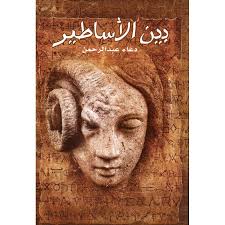
: في زمنِ قد رحل وإندثر هُنالك شخص يُعاني من أجل إبنته وإعاده جسدها من قبل شيطانه مُقابل شرط منها يكاد يكون مُستحيلا بالنسبه له. نبذة الناشر: في زمنِ قد رحل وإندثر هُنالك شخص يُعاني من أجل إبنته وإعاده جسدها من قبل شيطانه مُقابل شرط منها يكاد يكون مُستحيلا بالنسبه له
Come a little closer and listen:
This book contains some of me and others. In it, I collected pages from my life and my readings of life, of people, and of those around me. Because we all live in a patch of earth of limited space and vast dimensions, we are all affected by what we see in others and in ourselves.
The traditional perception sees that criminals have violated the social order and public peace. Therefore, they must be punished publicly, as the presence of spectators confirms and justifies the judge’s ruling on the one hand, and achieves the authority’s goal of deterring others from repeating the crime on the other hand. This deterrence does not come only from the fear of physical harm due to punishment, but also from the fear of feeling shame and disgrace. Which can only be achieved with witnesses to the humiliation taking place.
But how are societies formed that accept such practices, or even demand them? What political systems allow humiliation, and what systems try to prevent it? Can we say that humiliation is only related to the “Dark Middle Ages” period, or has the “bright,” luminous, and enlightened modernity brought with it new methods of shame of its own and invented new practices of humiliation?
In a stunning analysis of historical and contemporary events, German historian Uta Frevert shows the role that humiliation played in building modern society, and how humiliation and the sense of shame it generates were used as a means of control, from the worlds of politics to school education, and that the art of humiliation is not only a thing of the past, but has evolved to suit... The changes of the twenty-first century, in a world where humiliation is not only from the political forces that control us, but also from our peers.
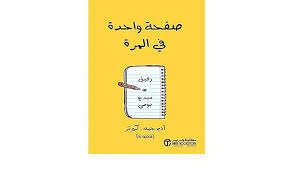
كل يوم هو فرصة لتصنع شيئا جديدا لنفسك. ضع هاتفك جانبا وأمسك قلما رصاصا. أعط نفسك مساحة. الإنترنت لن يذهب لأي مكان ابدأ بصفحة واحدة في المرة وستُفاجأ من القدر .
In this book, we will try to address the knowledge society through three main spaces: the Arab, the Gulf, and the Emirati, relying on data and numbers indicating the development of these spaces towards the knowledge society, without claiming comprehensive knowledge of all its aspects, as this matter requires extensive and more specialized studies. However, we seek to confirm an important issue, which is that the shift towards a knowledge society is no longer an intellectual luxury, but rather an urgent need that requires more plans, programmes, institutions, competencies and skills.
In our endeavor, we also show the position of the United Arab Emirates in its pursuit of a knowledge society, through many indicators, which confirm the great effort made by the political leadership towards developing various structures, in order to provide the potential for transformation towards a knowledge society, which, in our opinion, reflects the strategic vision. The state faces the necessities dictated by the processes of economic transformation into a knowledge economy.