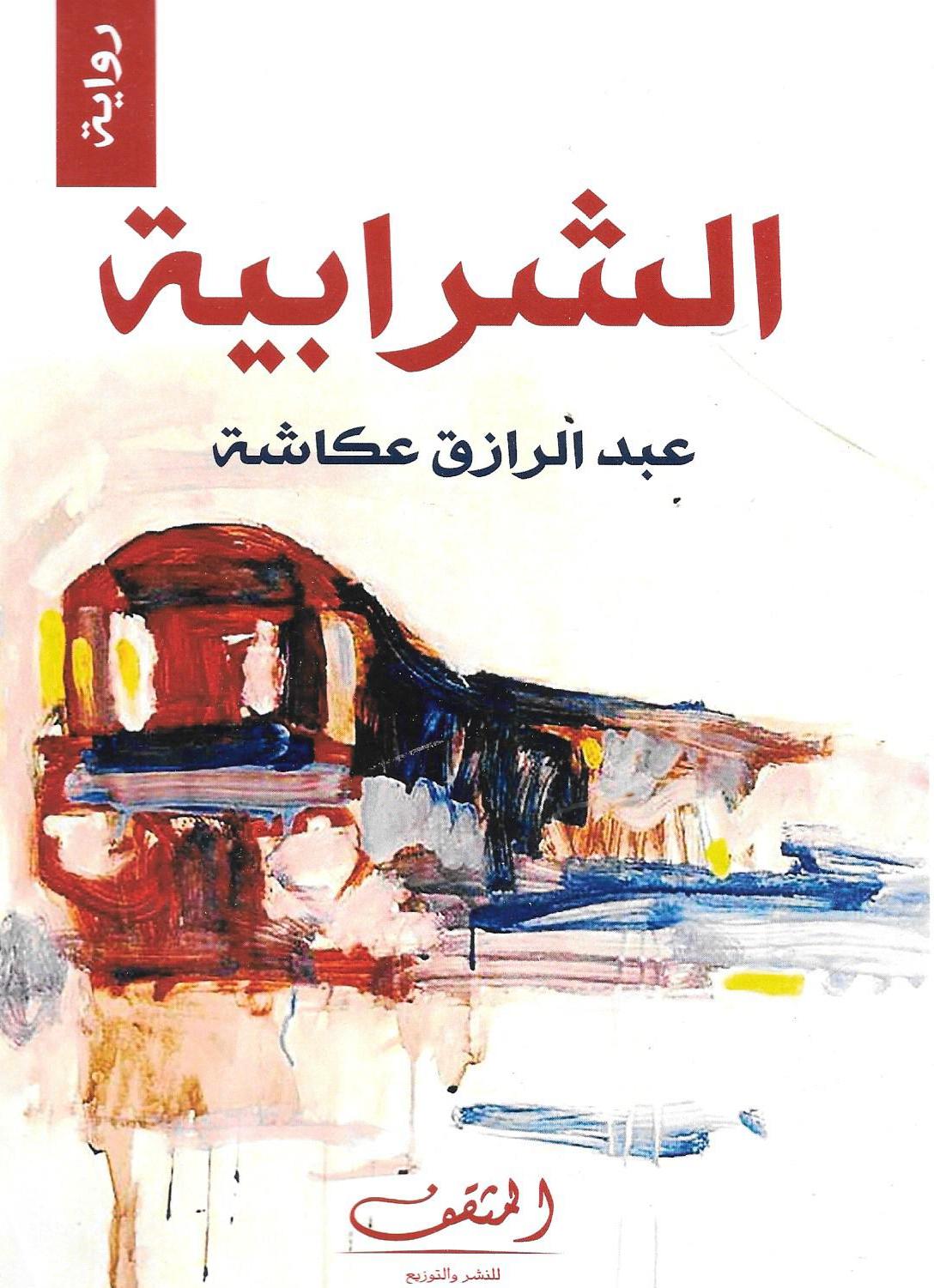
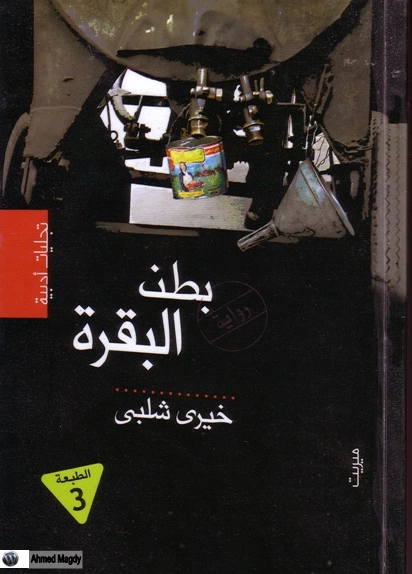
Meat for sale novel
(Black trade... among the streets of cursed markets)
A novel, Meat for Sale, whose heroine, journalist “Bashayer,” is interested in revealing everything that was hidden behind the curtain. She searches for the truth, especially human truths and their secrets. She searches for the unbearable secrets hidden behind false masks, damaged hearts, and black consciences, secrets that have no relation to human beings.
Bashayer travels and searches for those merchants and victims of human trafficking who drowned and were shackled in the cursed markets.
Ten chapters embody various stories, including a man who exploits a woman, exhausting her energy until the last moment of her life, leaving her bleeding in pain and crying until her life is up...and a young man who uses girls as a source of money, who is willing to smash their faces into the ground for the sake of a few dirhams...and a father... A mother who neglects their little girl so much that her feet slip into the well of perversion... and a girl who loves to have sex with men and exercise her desires with them...
A woman whose only goal in life is to make strangers fall in love with her...and a teenager who takes lithium pills due to the excessive depression and psychological pressure she is experiencing...
At the end of each chapter, there is an awareness pause to realize reality and look at the issues before making a mistake
The aim of the novel is to raise awareness in society, especially the current generation
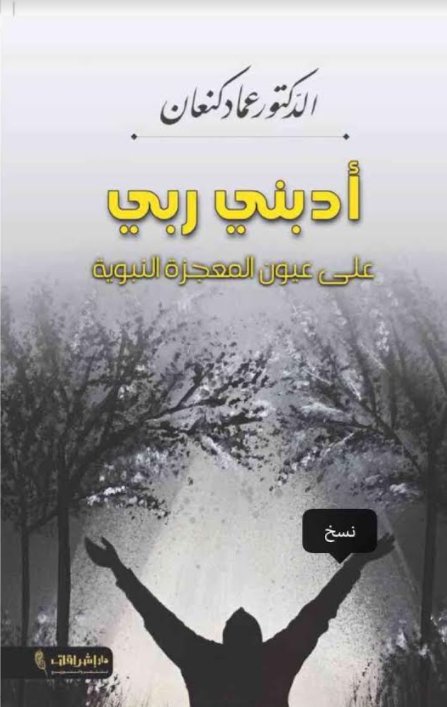
Secrets of career excellence:
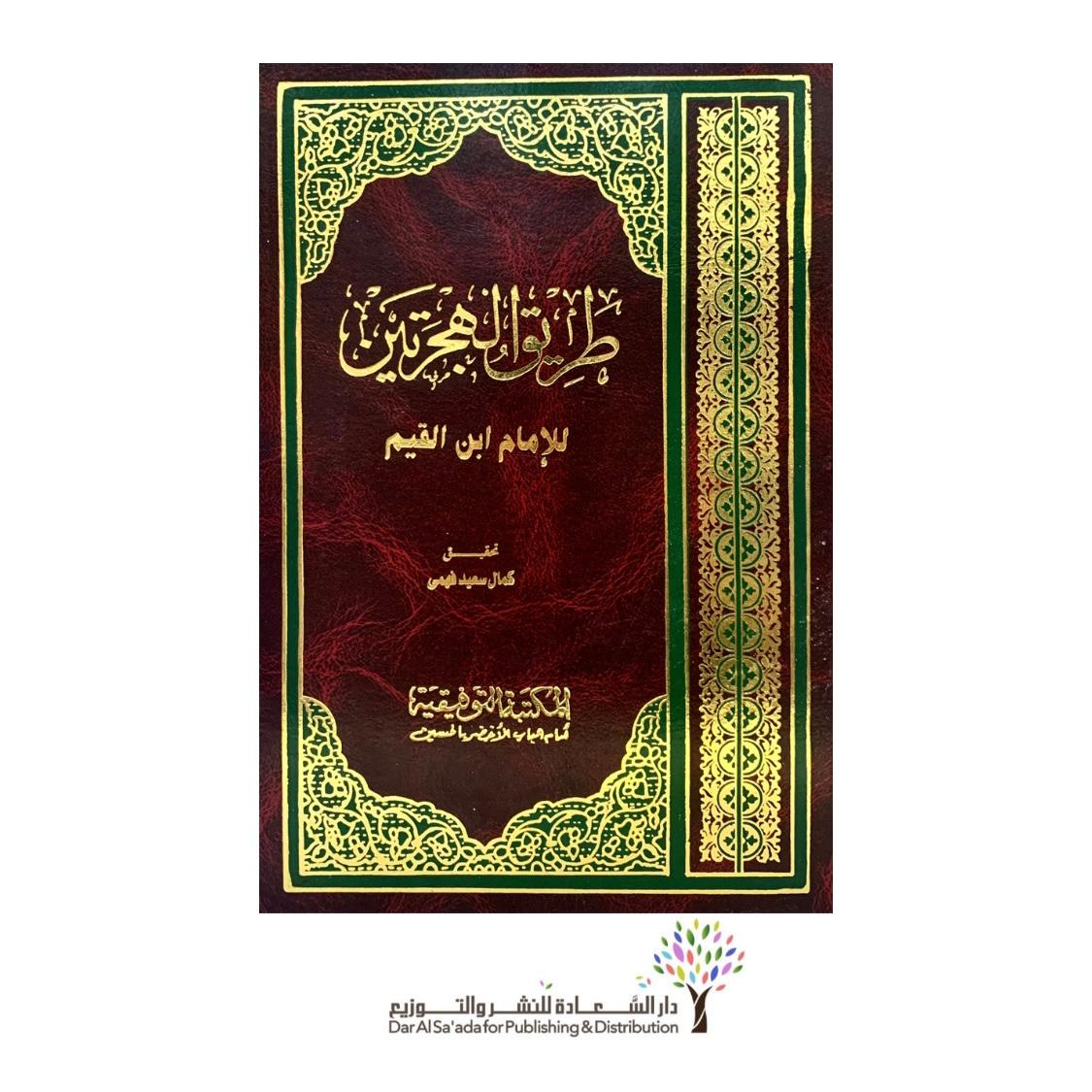
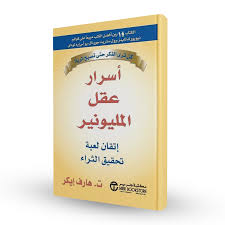
The writer speaks through a group of paragraphs about the secrets of excellence, as suggestions for employees at the governmental or private level about the importance of job excellence and how to document in the world of excellence, arriving at the most important requirements for excellence by following the mechanism of providing evidence supporting the standards of excellence.
I hope that my book here will be supportive of distinguished employees who desire excellence, by taking into account diversity in achievement and distinction.
The term “women’s empowerment” has invaded the research literature and reports issued by civil society organizations in the Arab region, without sufficient introduction to this term, its dimensions, indicators, and methods for measuring it, especially in view of the geographical and cultural specificities, and the different historical circumstances of women from one country to another: the empowerment of women in... Belgium, or Ecuador is not the same as empowering them in Syria.
This is precisely what justifies the interest in publishing the “Methodological Guide to Women’s Empowerment,” prepared by the work team in the “Gender and its Indicators” project, managed by the Women and Development Committee of the General Department of Cooperative Development (DGCD) in Belgium.
Instead of adopting a fixed template that applies to all women, this guide takes into account the cultural specificities of each society and proposes a flexible methodology that allows for the formulation of empowerment indicators.
Empowerment, according to the words of the authors of this guide: “is not based on a process of horizontal development, or fixed values in society, but rather a cumulative process built on the activities of women’s movements, as well as mixed movements.”
Thus, this guide explores the relationship of the concept of empowerment to other related terms, such as: power, distribution of responsibilities, and building identity.
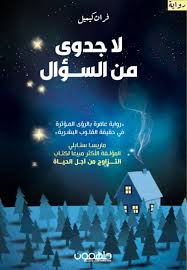
Since the revolution that overthrew the Shah in 1979, Iran has lived in a state of constant turmoil and major social and political fluctuations. From there, Delphine Menoui, a French journalist of Iranian origin, writes about her experience living in Iran for ten years, including one of the most ambiguous periods in Iranian history, the Green Movement.