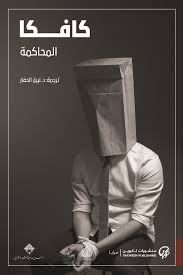
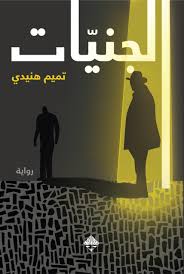
In its content, the novel deals with the story of a person who begins to wake up one day to find two men at the door telling him that he is wanted for trial, but they do not explain what case they are accusing him of. For any crime, he is interrogated, and as events develop and change, he fails to find out his crime. He and his lawyer begin to defend himself in various ways. But the difficulty they face is not knowing what his crime was
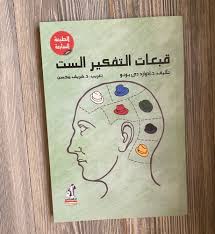
قبعات التفكير الست هي من أهم أساليب وطرق من الكاتب إدوارد دي بونو لتنمية الإبداع في تحسين التفكير الإبداعي وتساعد قبعات التفكير الست على منح عملية التفكير قدرها من الوقت والجهد وترتكز العملية الإبداعية على أمر هام جداً وهو نمط التفكير عند الإنسان وأسلوب تعامله العقلي والفكري مع مجريات الأحداث المختلفة
Khaled is a young man in his thirties who graduated from the College of Fine Arts. He failed to travel from his city of “fairies,” which was closing in on him from all sides, so he had no choice but to work as an employee in a bookstore, through which he practiced an additional, secret job in which he sold his works of fiction. Life would have gone better if one could keep the secret, but as Faraj, Khaled’s father, says: “No matter how much you hide it, the secret will wake up inside you one day, and then it will continue to burrow into your soul until it is released to the world.” Thus, Khaled’s choices in life soon put him in the face of “Khalil Nayef,” a lawyer with wide influence who wants to enter the world of writing.
Within a suspenseful context and a rapid pace, Tamim Heneidi dives into the scenes of the relationships between writers, publishers, and bookstore owners, and sheds light on the way in which culture may be used to polish the image of the political class created by the war. But can books perform a task like this?