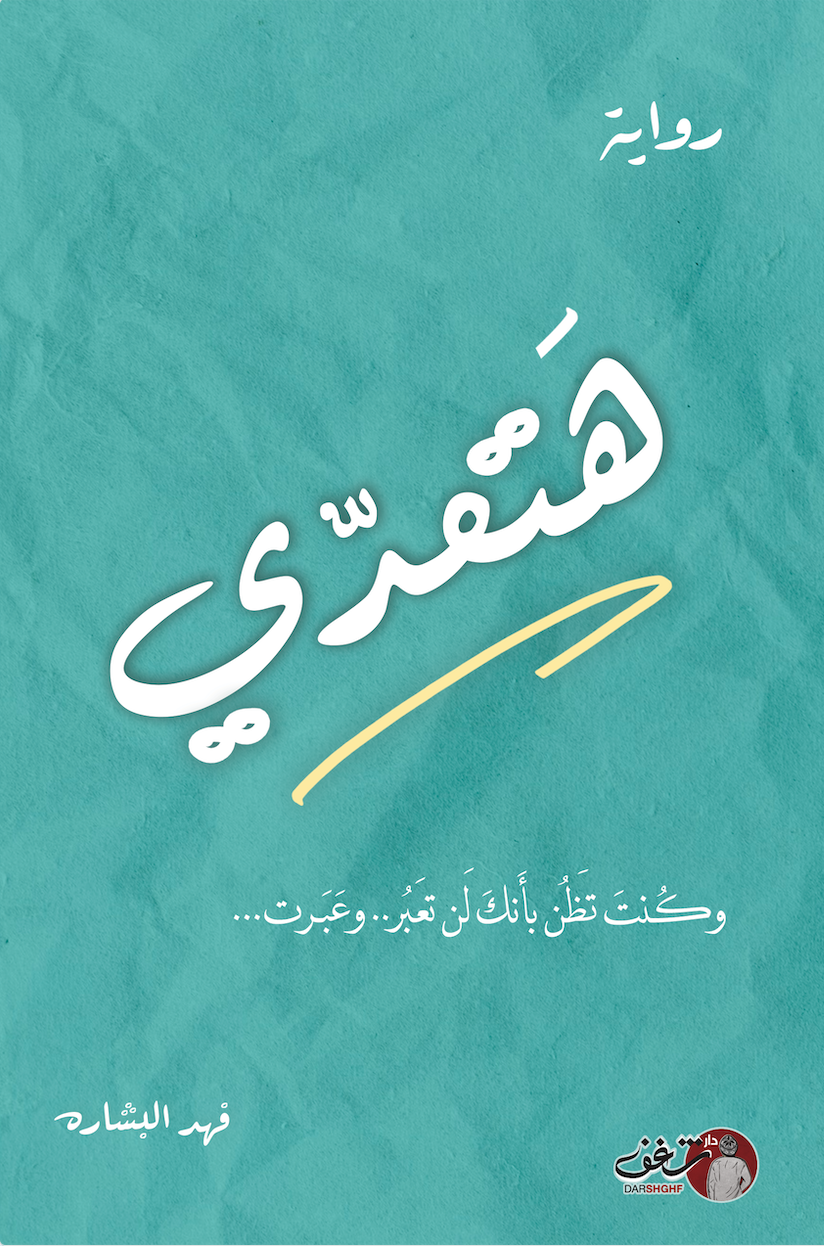
It consists of thoughts and articles, predominantly of a sensual nature, and snippets chosen by the writer from his literary dictionary to touch your heart and influence you as a reader.
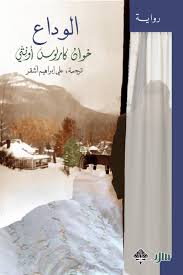
A mysterious, sick man in his forties arrives in a remote town, but he refuses to stay in the asylum to receive treatment, choosing instead to stay in a hotel and rent an abandoned house in the town, where he goes up from time to time. The man's life is almost devoid of events except for receiving regular letters from two different "women" who visit him later and stimulate the curiosity of the townspeople to make judgments and draw different plots for the relationship that the man may have with them.
Like Juan Carlos Onte's other books, this novel surprises the reader with the fact that each sentence is formulated in a unique way and ends unexpectedly, as if it were carefully woven to amaze him and provoke him to contemplate how its author squeezed the energy of each word to convey the greatest amount of feelings.
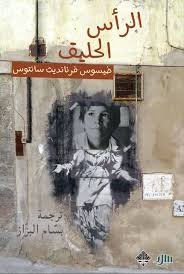
In this book there are pictures from the world of childhood in its openness to the world of adults, snapshots from the lives of children who receive their first lessons in the school of life and survival, and for the first time look out from the window of their reality and their ages at the world of adults and the prospects for the future that are shaped by an important historical and social stage, which is the Spanish Civil War: Seriousness, fun, drinking, singing, an atmosphere of war, and the sound of bombs. Waiting for a father who will not return, abandoning homes, being displaced from homes, and crossing lines. A life in shelters, a life in mines, the dreams of youth, and teenage love