In his book “Mirrors,” Eduardo Galeano retells the history of human civilization in his own way, condensing what he finds exciting, funny, and worthy of attention through brief, precise passages that give the reader the opportunity to connect with the events and facts he reads, as if history were resurrected before him. The author adopts a cornological path in narrating a history based on bitter paradoxes, and stops at cities, personalities, events, and inventions that constituted milestones in human history. This is how we see him moving lightly between various topics; Such as female circumcision, silkworms, beer, Santa Claus, tango, the torture instruments of the Inquisition. But through the illusion of dispersion, he somehow makes history more logical and full of bitter irony. With extreme selectivity and absolute freedom, Galeano, with his extensive knowledge, chooses the points that stand out to him that seemed to him pivotal in the path of humanity, specifically the forgotten events or people that the dominant narrative of history ignored and wanted to erase from collective memory, as if he was saying to the world: “See your true face reflected in... Mirror".
The four of us lived in a rather narrow room, with a roof that served as a filter in the winter for the rainwater received by the carefully distributed bowls and utensils. It was rented to us by an obese widow in her forties. She was a cold woman with a sharp tongue, but she did not increase the price of our rent, fortunately for us. ..
Then the fire came and consumed everything.
The objects... the rooms... the building... and even the fat Mrs. Afaf, who has a foul-mouthed tongue!
We were looking at the scene with sad faces. The firefighters, with their old equipment and their late arrival, were unable to save anything, and no one moved to help the miserable widow due to the ferocity of the fire that occurred through her negligence, as we learned later.
We gathered in the café at a small circular table to think about a solution to the problem we found ourselves in.
- “We leave...”
Siwar said it after a deafening silence, then Kahf nodded his head in support and said with a smile:
- There is no escape, there is no other solution.
While (Herbak) remained silent as usual, so I did the same. I trusted their opinion and considered him to be the decisive factor. He did not trust his personal judgments much when we were together, so his opinion was my opinion..
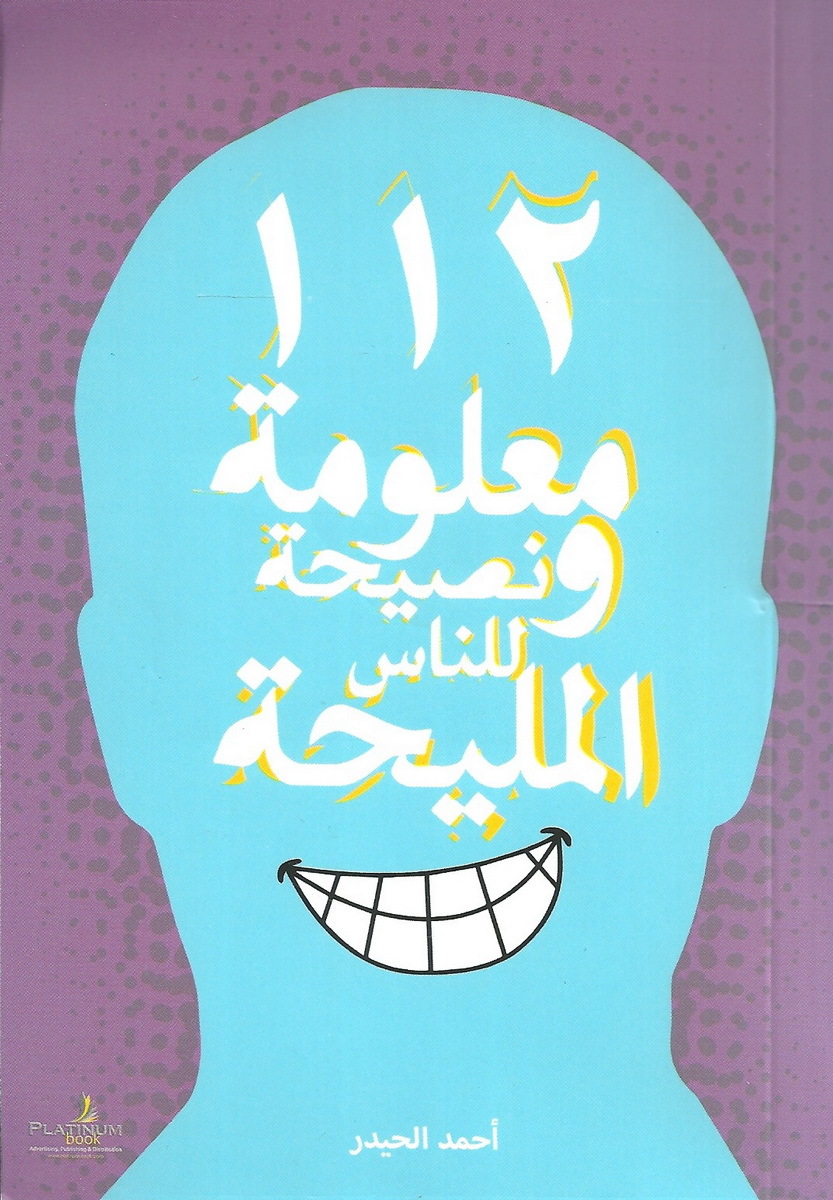
About the book
The book is a collection of articles that were written first with my mind and then translated by my pen, which for many years remained neglected in a drawer.
Just general ideas, topics, and stories that exist in the corridors of minds, and you may encounter some of us, if not everyone, along with some private conversations stored in my chest that I wanted to reveal through these pages.