تدور رواية لن اعلن الحداد حول قصة مريم وزوجها راشد الذي غاب عنها بسبب مهمة عسكرية من أجل تلبية نداء الوطن وبلاد المسلمين وقد شاركتنا مشاعرها ما بين القلق والخوف
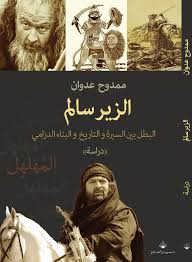
Al-Zeer Salem, the hero, between biography and history
25 AED
75 AED
0 Reviews0 sold
Product Details :
The controversy that took place on the pages of newspapers, magazines, and television seminars about the series Al-Zeer Salem moved this series from being an entertainment material that ends with (I like it or I do not like it), to being a cultural material whose discussion requires a cognitive reference.
The ending to Al-Zeer Salem in the series was one of the most controversial topics. The popular story ends when Al-Zir wins and Al-Jarru manages to kill his uncle Jassas and humiliate Bani Bakr. But history does not stop at the popular mood with which biography interacts.
People are defending the stereotype they have in their mind of the hero. Historical truth destroys and distorts this image. Therefore, it is easier for them to deny this fact than to accept it. Denial comes either by accusing us of forgery, distortion for the sake of omission, or ignorance of history or biography. Not to mention the accusation of being hostile to the nation and distorting the images of its heroes.
All of this created an opportunity for us to have a serious discussion about drama and its relationship to history and popular biography, by responding to some proposals. Perhaps this discussion will bring some benefit to the reader, and shed light on some of the ambiguities that have occurred.
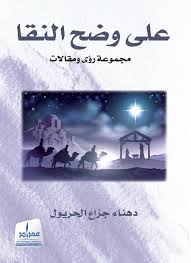
We change, our ages increase, our features undergo age changes, and even our ideas change with time and differ, or may even change completely and be undermined by ideas that contradict them.
In this book, I put some of my opinions and thoughts at a certain time, and I do not know what might come out of them in the future.
I made it under the name (Ala Wadh al-Naqa) from the clarity of purity, which is a popular Bedouin word that means that the matter be honest and pure, with no shade on it, just like what I am trying to present without falsification or embellishment, at least from my point of view.
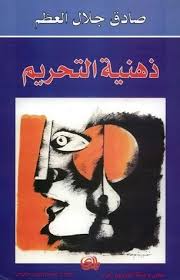
Sadiq Jalal Al-Azm takes the controversy and controversy raised by Salman Rushdie’s book “The Satanic Verses” in the late 1980s as a starting point to address what he calls “the mentality of prohibition and the logic of criminalization” among Arab thinkers, in a panoramic manner, and in other articles - added in later editions of the book - he addresses many of the issues Related issues, such as Orientalism, reverse Orientalism, concepts of cultural invasion, and authenticity. The writer dives behind the implicit meanings, trying to reach the essence, or the real motive behind the issues he discusses, and raises his voice loudly to argue and discuss the opinions of his fellow researchers and intellectuals: such as Edward Said and Adonis. The audacity makes these sober articles an important document of the discussions and dialogues that prevailed among Arab thinkers at that stage, even if one does not agree with any of them. What is important here is the celebration of free thought and debate based on diligence and knowledge.
Although the deep, passionate, and enjoyable discussions contained in this book provide many answers, they also stimulate many renewed questions that continue to trouble us and justify our need for readings of this kind.